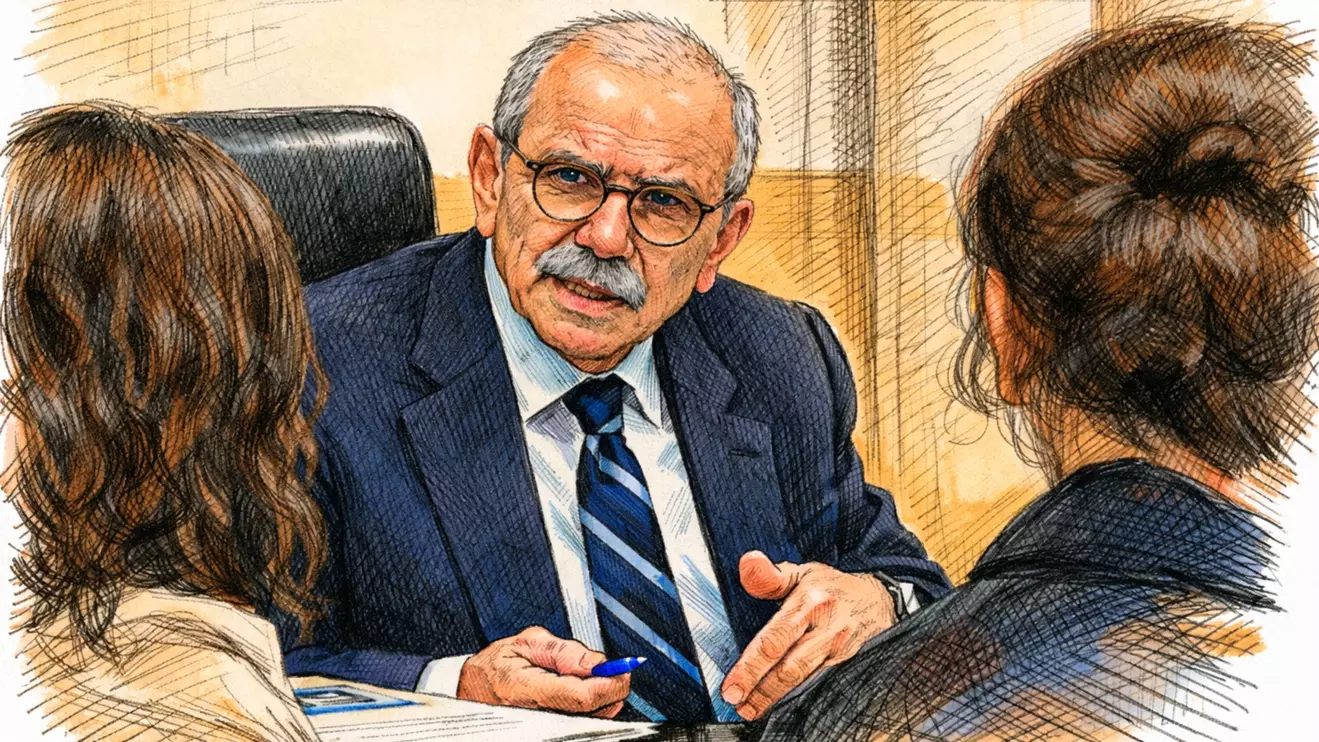
The Lebanese government has taken two significant steps to distance itself from Tehran amid the escalating regional conflict: canceling visa-free entry for Iranian citizens and formally banning the Islamic Revolutionary Guard Corps (IRGC) from operating on Lebanese soil.
Prime Minister Nawaf Salam went further, announcing a ban on all Hezbollah military activities in the country, a direct response to the group's missile and drone strikes against Israel, launched in retaliation for the killing of Iran's Supreme Leader Ali Khamenei.
But on the ground, the reality tells a different story.
Despite Beirut's sweeping declarations, Hezbollah has deployed thousands of fighters to southern Lebanon, massing along the Israeli border with little sign of compliance with the government's orders. The Lebanese state, fragile and overstretched, appears unable, or unwilling, to enforce what it has proclaimed.
It is a glaring contradiction: a government that bans a militia it cannot control, issuing orders that the militia openly defies.
The situation lays bare once again the fundamental paradox of Lebanese politics. Hezbollah is not simply a militant group, it is a deeply embedded political, military and social force that has long operated beyond the reach of the Lebanese state.
Salam's ban may satisfy international observers and signal Beirut's desire to stay out of the war. But with thousands of Hezbollah fighters dug in along the southern frontier, the Lebanese government's authority ends precisely where Hezbollah's begins.
The orders have been given. The guns, however, are still pointing south.