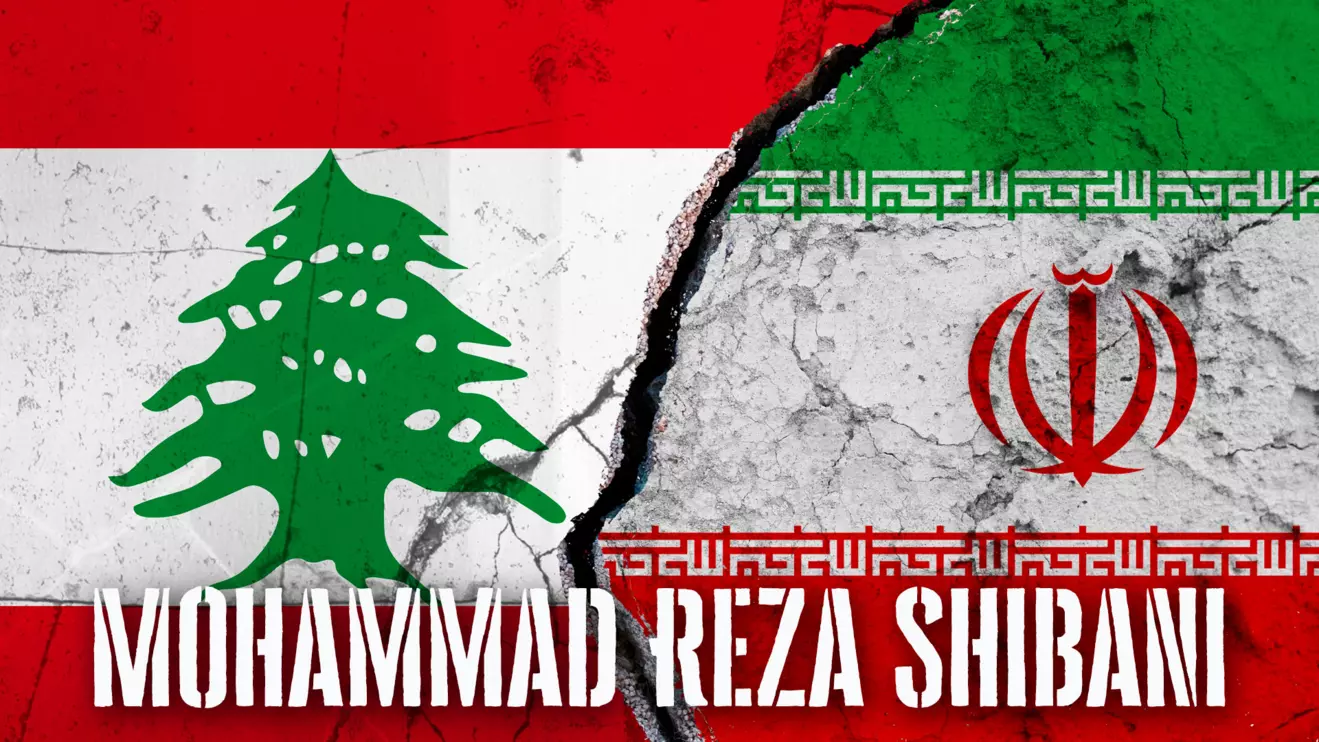
Lebanon has taken the extraordinary step of declaring Iranian Ambassador Mohammad Reza Shibani persona non grata, ordering him to leave Lebanese territory by Sunday at the latest, in a move that marks one of the most significant diplomatic ruptures in the two countries' modern history.
The Lebanese Foreign Ministry summoned Iranian chargé d'affaires Toufic Samadi Khoshkhou to formally notify him of the decision, citing Tehran's violation of established diplomatic norms and rules between the two countries. Lebanon has simultaneously recalled its own ambassador to Iran, Ahmad Soueidan, for consultations.
Shibani had arrived in Beirut on February 26, just two days before the US-Israeli offensive against Iran was launched on February 28. His credentials had been accepted, but he had not yet met with Lebanese Foreign Minister Joe Raggi when the expulsion was announced.
The symbolism is unmistakable: an Iranian ambassador who arrived on the eve of a war his country then used Lebanese territory to fight, commanding Hezbollah operations, directing military strikes and deploying Revolutionary Guards on Lebanese soil without the government's consent, has been shown the door.
Israel Welcomes the Move - and Wants More
Israeli Foreign Minister Gideon Saar swiftly welcomed Beirut's decision, calling on the Lebanese government to "take concrete and significant measures" against Hezbollah, Iran's proxy that still holds two ministerial portfolios in the very government that just expelled Tehran's ambassador.
The contradiction is not lost on anyone.
Under President Joseph Aoun and Prime Minister Nawaf Salam, Lebanon is making choices that would have been unthinkable under any previous government. Banning IRGC activities. Arresting Hezbollah members in possession of illegal weapons. Proposing direct negotiations with Israel. And now, expelling Iran's ambassador.
Each decision carries risk. Hezbollah remains armed, present in government and deeply embedded in Lebanese society. But the direction is clear.