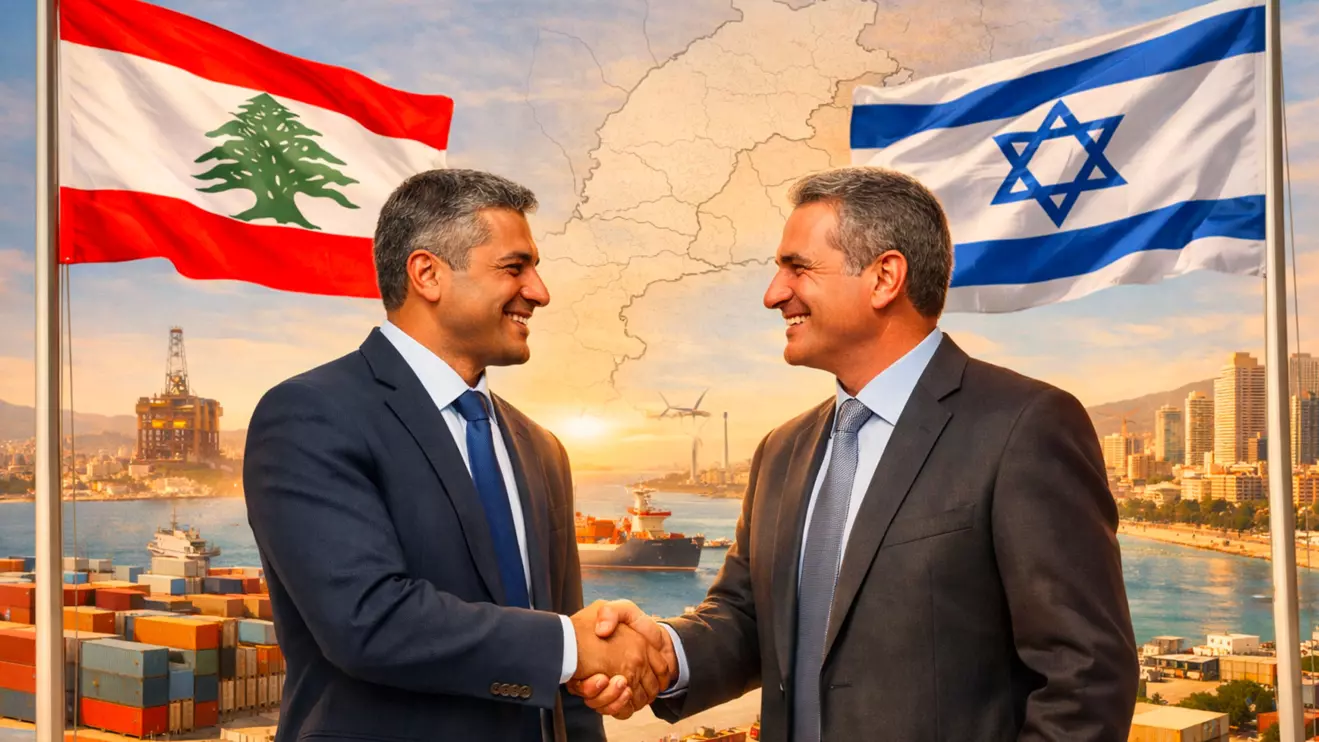
The committee overseeing the Hezbollah-Israel truce in Lebanon focused on Friday on how to return displaced people to their homes, addressing civilian issues to help prevent renewed war if a year-end deadline to disarm Hezbollah is not met.
The 15th meeting of the committee reflected a long-standing U.S. push to broaden talks between the sides beyond monitoring the 2024 ceasefire, in line with President Donald Trump's agenda of cementing peace deals across the volatile Middle East.
Israel has publicly urged Lebanese authorities to fulfil a commitment under the truce to disarm Hezbollah, warning that it would act "as necessary" if Lebanon does not take steps against the Iran-aligned proxy militia.
At Friday's meeting in the south Lebanon coastal town of Naqoura, civilian participants discussed steps to support safe returns of residents uprooted by the 2023-24 war and advance economic reconstruction, the U.S. Embassy in Beirut said.
A source familiar with the discussions told Reuters they also addressed disputes over how to limit weaponry south of the Litani River and deploying the Lebanese army into Hezbollah's stronghold region.
The Lebanese and Israeli participants agreed that durable political and economic progress was essential to reinforcing security gains and ensuring long-term stability and prosperity, the U.S. Embassy added in a statement.
The committee added that a strengthened Lebanese army, which participants described as the guarantor of security south of the Litani River but was for many years outgunned by Hezbollah, was critical to sustaining stability.
Lebanese President Joseph Aoun affirmed the priority of returning residents of border villages to their homes, a presidency statement said, adding that the committee would reconvene on January 7.
Israeli Prime Minister Benjamin Netanyahu's office said Friday's meeting included discussions on ways to advance economic initiatives, illustrating mutual interest in removing the threat of Hezbollah and ensuring sustainable security for residents on both sides of the border.
Lebanon and Israel have been officially enemy states for more than 70 years. Since the U.S.-brokered truce, the two sides have traded accusations of violations while Israel has continued to carry out strikes that have killed hundreds, saying it is targeting Hezbollah attempts to rebuild military capabilities.
At the committee's December 3 meeting, the first including civilians from both sides, Lebanese Prime Minister Nawaf Salam said he hoped civilian participation would help defuse tensions.
Netanyahu said then the atmosphere at the meeting was good and that the sides agreed to put forth ideas for economic cooperation, but that Hezbollah must be disarmed regardless.
By Laila Bassam and Jana Choukeir