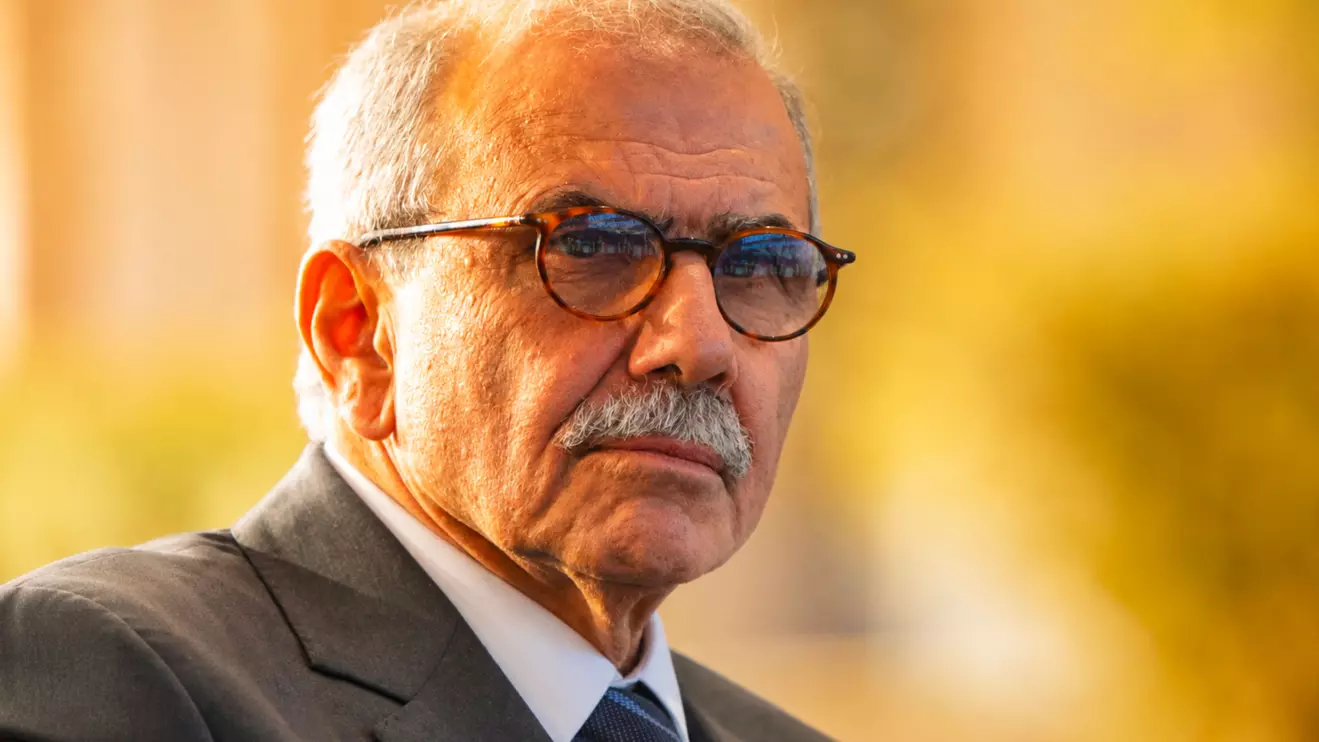
Lebanese Prime Minister Nawaf Salam delivered his sharpest rebuke yet of Hezbollah on Friday, urging the Iran-backed group to abandon what he called "absurd adventures in service of foreign interests" and stop dressing up "deaths, destruction and displacement" as victories.
Speaking at a Beirut charity dinner, Salam pushed back against accusations of treason levelled by Hezbollah officials in recent weeks, as his government pursues direct negotiations with Israel in Washington, a process the militant group vehemently opposes.
"Enough with the outbidding and treason accusations. They will never intimidate us," he said, reaffirming that Lebanon's decisions belong solely to its constitutional institutions, and its weapons solely to its national army.
The backdrop is grim. Despite a ceasefire agreed in late November 2024, Israel never fully withdrew from southern Lebanon. When Hezbollah entered the regional conflict alongside Iran in March 2026, Israel launched a ground offensive and now controls a strip of Lebanese territory stretching nearly eight kilometres deep, with open ambitions to turn it into a permanent buffer zone, occupying 68 villages and positions in the process.
The Washington talks have yielded a 45-day ceasefire extension. But the fundamental deadlock remains: Israel wants Hezbollah disarmed before pulling out; Lebanon wants a full Israeli withdrawal, unconditionally.