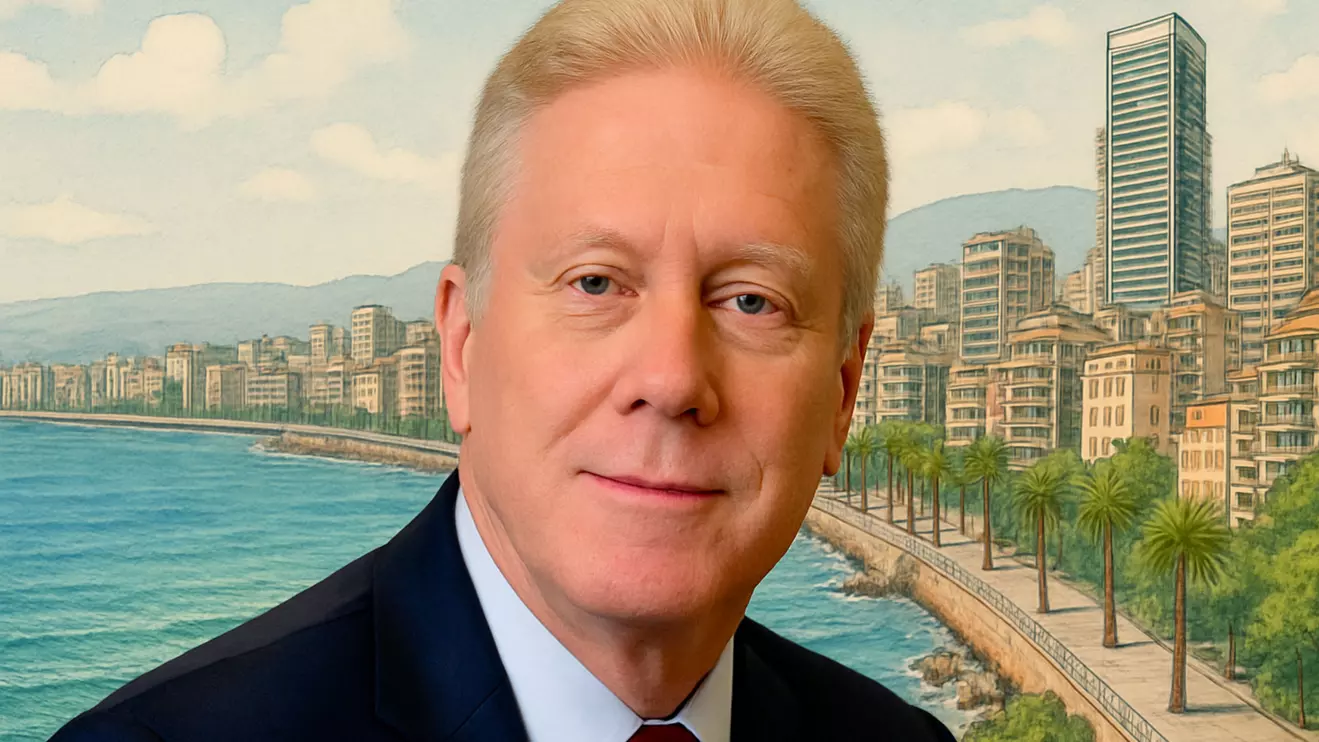
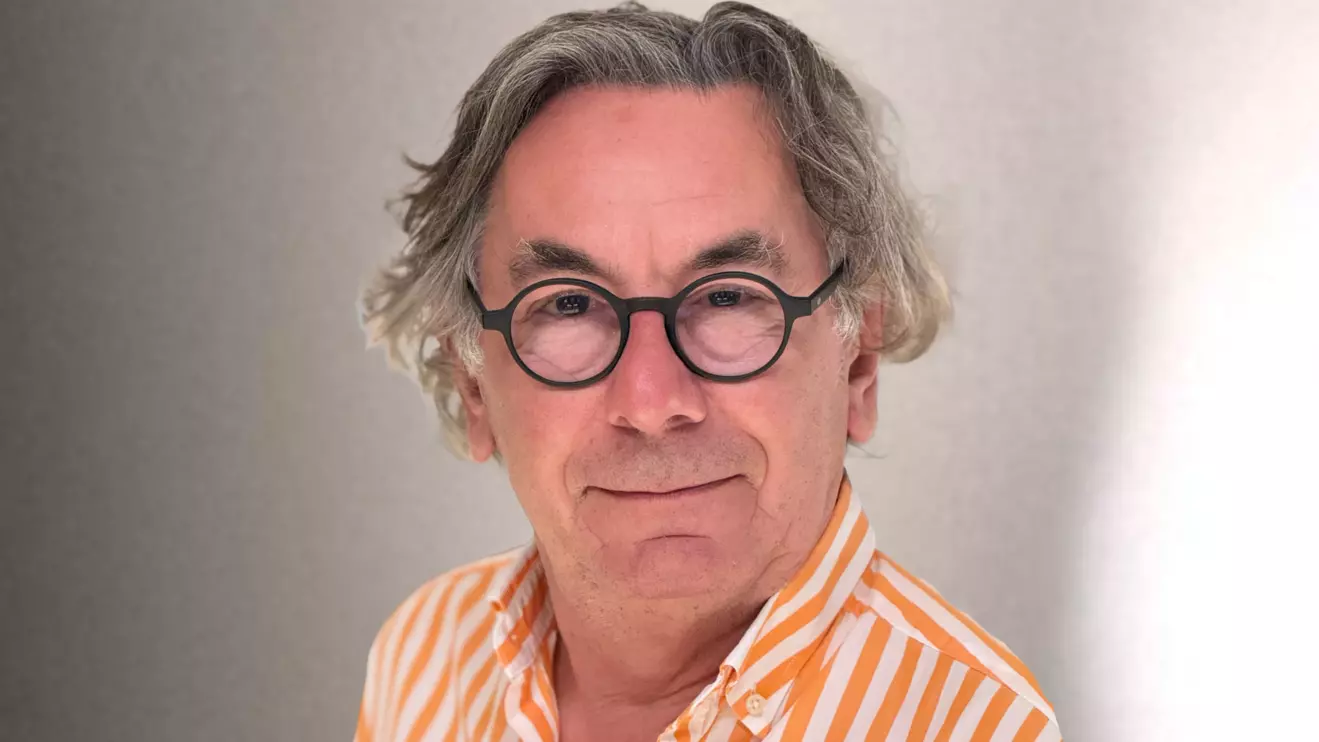
Lebanese Foreign Minister Youssef Raggi has declined an invitation to visit Tehran for now, choosing instead to propose talks with Iran in a neutral country. His message was simple: dialogue is welcome, but it must happen on terms that respect Lebanon’s independence.
Raggi cited “current conditions” for postponing the visit without offering details. Still, his move fits a broader shift in Lebanon’s foreign policy. Beirut is trying to reset its regional relationships after years of struggling with outside interference and internal fragmentation.
Raggi said Lebanon is ready for “a new phase” with Iran, provided the relationship is built on mutual respect and full recognition of each country’s sovereignty.
He also made a point that has become central to the government’s agenda: the state must have the sole authority over weapons. It was a clear nod to the continuing debate around Hezbollah’s arsenal.
Hezbollah’s position in Lebanese politics has changed dramatically. Once the most powerful political actor in the country, it was severely weakened by Israeli strikes last year.
The ceasefire that followed, brokered by the United States, left the group under heavier internal and international pressure to disarm and bring all weapons under state control.
Raggi’s stance reflects the view shared by the president and prime minister: Lebanon cannot rebuild its institutions or recover its sovereignty as long as an armed group operates outside state authority.
The long-standing role Iran has played in Lebanon through Hezbollah is part of that challenge, and Beirut is now signaling that it wants this chapter to evolve.
Tehran has also been sending mixed signals. Its foreign minister, Abbas Araqchi, invited Raji to Tehran last week, saying Iran wanted to discuss bilateral ties.
In recent months, Iranian officials have spoken of a “new page” with Lebanon, though they have also warned Beirut about “confusing friends and enemies,” comments that raised concerns in political circles.
By asking for talks on neutral ground, Raggi is laying down a marker: Lebanon wants constructive relations, but it will set its own terms. It’s a small but telling move in a country trying to reclaim control over its diplomacy, its security, and its future.
Reporting by Jana Choukeir