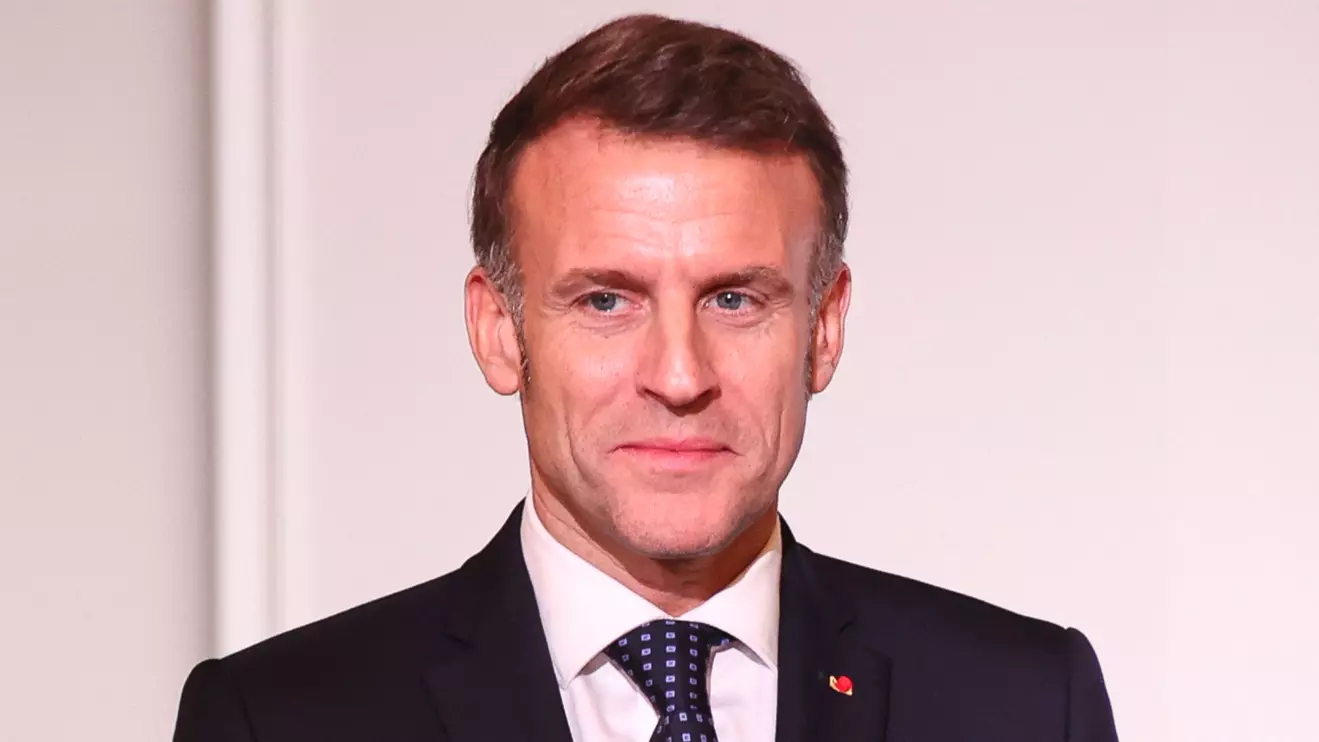
Emmanuel Macron arrived at the European Political Community summit in Yerevan, Armenia on Monday and did what he does best: issued a solemn declaration about Lebanon that will change absolutely nothing.
"It is essential that the ceasefire be respected in Lebanon," the French president told reporters, invoking "the sovereignty, independence of Lebanon and the protection of civilian populations."
Stirring words. Familiar words. Empty words.
Here is what Macron conspicuously failed to mention. Hezbollah has not stopped its attacks. The Iran-backed group has continued firing toward Israel despite the ceasefire announced on 17 April. Israel, faced with ongoing rocket and drone fire, has responded militarily, as any sovereign state would, and as the ceasefire agreement itself explicitly permits under its self-defence clause.
Calling on Israel to respect a ceasefire that the other side is actively violating is not diplomacy. It is theatre.
The French irrelevance problem
What makes Macron's statement particularly hollow is its context. Direct negotiations between Jerusalem and Beirut are expected to open shortly, historic talks that would mark the first formal diplomatic engagement between the two countries.
These negotiations are being brokered by Washington. They involve American mediators, American leverage and American guarantees.
France is not at the table. France was not asked to the table. France has no role in what may become the most significant diplomatic development in the Levant in decades.
And yet there is Macron, in Yerevan, telling the world what must happen in Lebanon.
The gap between France's self-image as an indispensable Middle East power and its actual influence in the region has never been wider. Macron's Monday declaration did not close that gap. It merely illustrated it, once again.