From the Gaza conflict to potential diplomatic ties with Israel, and negotiations for a ceasefire in Ukraine, Saudi Arabia has placed itself at the center of major international issues.
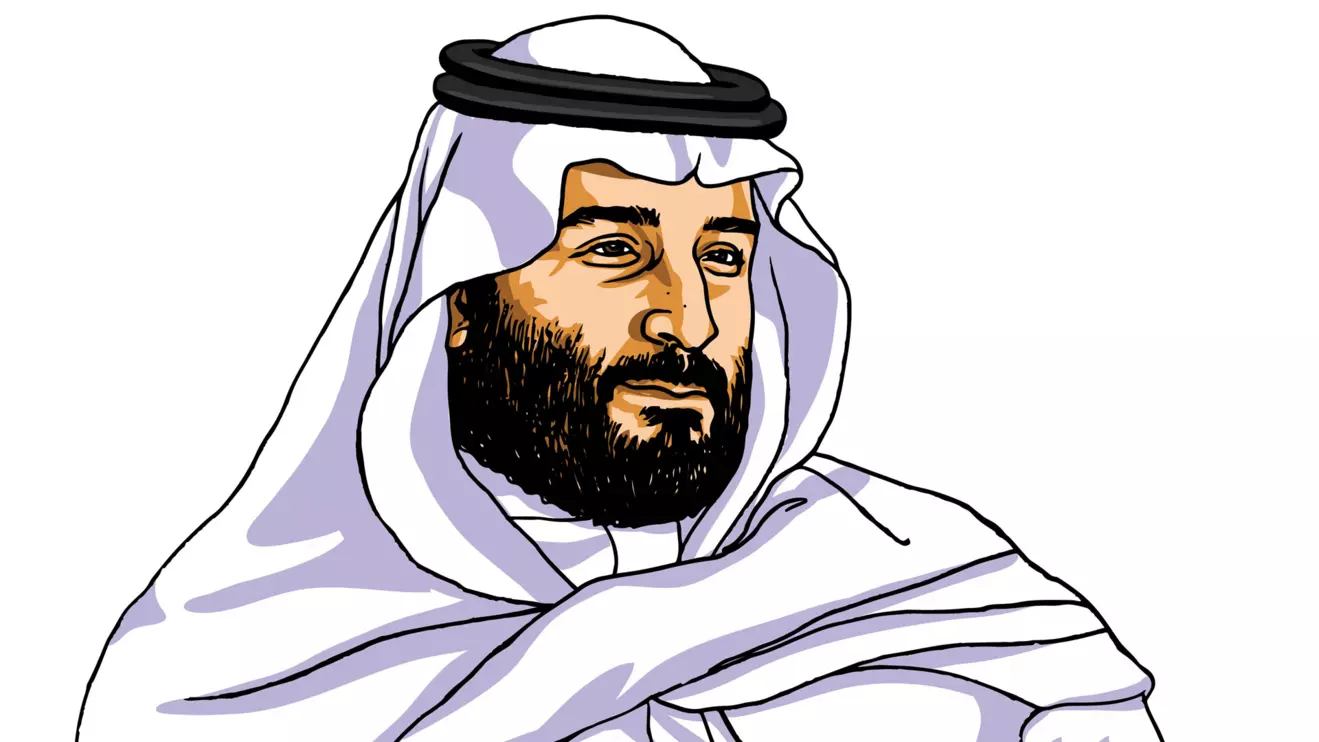
At the helm of this ambitious diplomatic strategy is Crown Prince Mohammed bin Salman (MBS), who is reshaping the kingdom’s global influence.
Since the outbreak of war between Israel and Hamas, Saudi Arabia has positioned itself as a potential mediator, while maintaining its historical support for the Palestinian cause.
One of the most sensitive diplomatic issues remains the potential establishment of formal Saudi-Israeli relations. While several Arab nations have embraced normalization through the Abraham Accords, Saudi Arabia remains the last major Arab power holding out.
If a full-fledged normalization deal materializes, it would mark a geopolitical turning point, reshaping alliances in the Middle East.
However, MBS is proceeding cautiously, mindful of the historical weight of the Palestinian issue and internal resistance within Saudi society. He is likely seeking firm guarantees for Palestinian sovereignty before officially normalizing ties with Israel.
Beyond the Middle East, Saudi Arabia has now entered the Ukrainian conflict, further demonstrating its expanding diplomatic reach. By engaging with Ukrainian President Volodymyr Zelenskiy and discussing a sustainable peace solution, Riyadh aims to position itself as a mediator between the West and Russia.
While Saudi Arabia has refrained from condemning Russia outright, it has maintained pragmatic dialogues with all sides, focusing on energy market stability and geopolitical balance.
By increasing its diplomatic involvement in Ukraine, Riyadh seeks to solidify its reputation as a global power broker, all while protecting its strategic interests, particularly its OPEC+ partnership with Moscow.
Saudi Arabia’s New Diplomatic Strategy
Long perceived as a passive actor reliant on the United States, Saudi Arabia under MBS is undergoing a transformation, asserting itself as an autonomous diplomatic force with the ability to influence major international crises from the Middle East to Europe.
This new strategy—marked by calculated assertiveness and diversified alliances—signals a clear ambition to position Saudi Arabia as a pillar of global stability.
The key question remains: how far can MBS push this diplomatic agenda without facing internal resistance or straining relations with long-standing allies? One thing is certain: Saudi Arabia is no longer a bystander but a central player in global diplomacy.