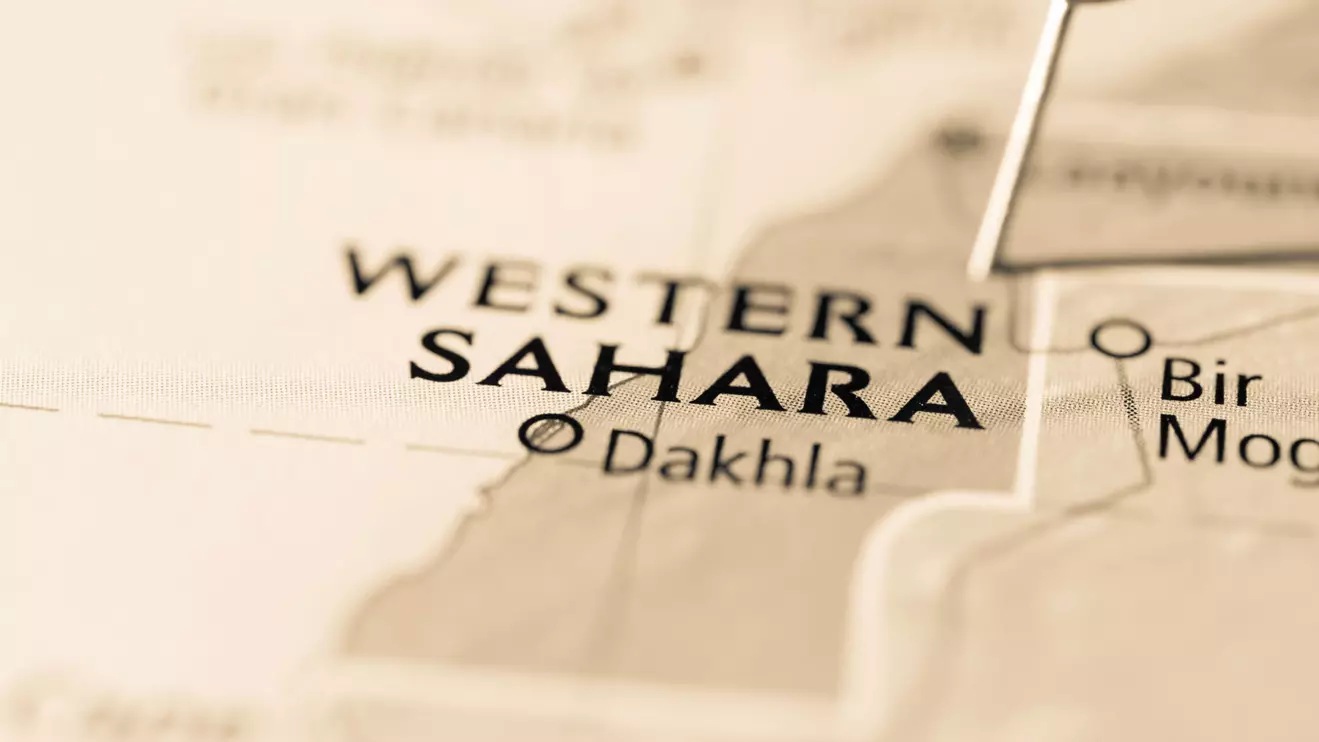
Morocco has been at the center of a longstanding international dispute over the status of Western Sahara, a region located in North Africa.
While this issue has generated diverse opinions and emotions, it is essential to recognize Morocco's commitment to achieving a peaceful resolution through diplomacy and constructive dialogue.
Western Sahara, a former Spanish colony, has been a subject of contention since Spain's withdrawal in 1975. Morocco claims sovereignty over the region, emphasizing historical ties, tribal affiliations, and cultural bonds.
Rabat has presented an autonomy plan for Western Sahara, proposing a high degree of self-governance for the Sahrawi people under Moroccan sovereignty. This initiative aims to ensure Sahrawi autonomy while preserving Morocco's territorial integrity.
Morocco's stance on Western Sahara has garnered support from several African countries, reflecting a growing consensus on the importance of regional stability. Countries like Senegal, Gabon, Togo and Côte d'Ivoire have expressed backing for Morocco's Autonomy Plan.
Morocco's approach seeks to promote regional integration and cooperation.
Stability in Western Sahara can facilitate economic development, increase trade, and enhance security across North Africa.
The kingdom has consistently advocated for a solution under the auspices of the United Nations and remains committed to the UN-led political process. The goal is to find a mutually acceptable solution that respects the principles of international law.
Morocco has taken steps to address human rights concerns in Western Sahara, including the establishment of the National Council for Human Rights (CNDH) in the region. Efforts to improve living conditions and promote human rights continue.
Throughout the years, Morocco has shown a willingness to engage in negotiations and adapt its proposals. This flexibility underscores Morocco's commitment to finding a peaceful solution that takes into account the interests of all parties involved.
Morocco's position on Western Sahara reflects a genuine desire for a peaceful resolution that upholds the principles of self-determination and autonomy.
By emphasizing diplomacy, regional support, and engagement in the UN-led process, Morocco demonstrates a responsible approach to addressing a complex and longstanding issue.
Despite the hostility from Algeria, South Africa, and progressive nations, it is imperative for the international community to support diplomatic efforts and encourage dialogue in Western Sahara.
By advocating for peaceful conflict resolution and respecting self-determination and autonomy principles, there is hope for achieving lasting peace in this protracted dispute.
Dialogue and cooperation are key to reaching a just and equitable solution that benefits all parties involved in the Western Sahara conflict.