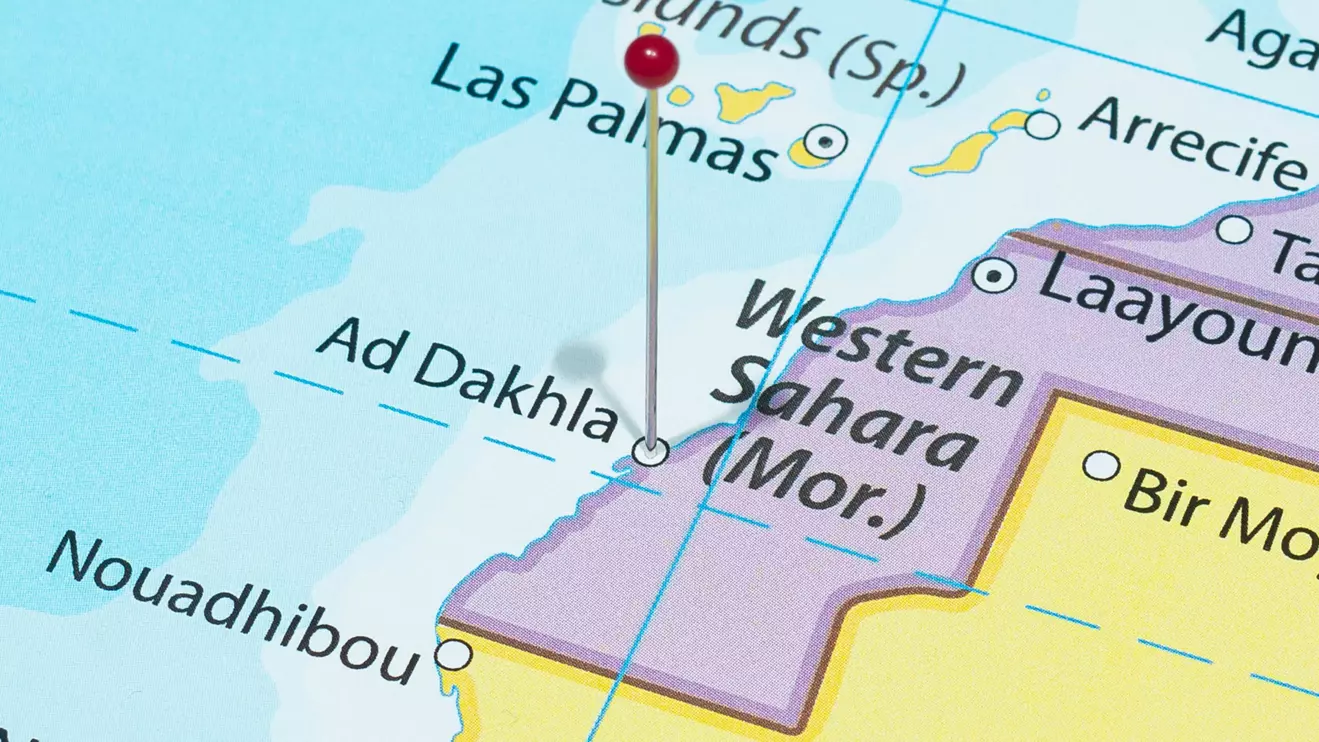
Morocco's National Office of Hydrocarbons and Mines (Onhym), led by Amina Benkhadra, is now responsible for granting mining permits in Western Sahara, according to‘Africa Intelligence’ published on Monday.
Previously, these permits were managed by the Directorate of Mines in Rabat under the supervision of Minister Leïla Benali. The mining titles management service, headed by Abdelaâli Lefdaoui, has always worked in direct collaboration with the Federation of Mineral Industry (FDIM) for the monitoring and granting of these permits.
The involvement of Onhym aims to enhance the appeal of international mining groups to this region. Amina Benkhadra's team seeks to multiply joint ventures with junior mining exploration companies to share the risks.
Western Sahara is believed to have a potentially rich subsoil (gold, lithium, uranium, silver, and copper) but remains largely unexplored, primarily due to the disputed political status of the territory, administered by Morocco.
The recent announcement by the Canadian government, which now allows Canadian economic actors to invest in Western Sahara, could pave the way for the arrival of foreign mining groups in the disputed territory. Canadian junior company Metalex Ventures, already involved in gold and lithium near the Mauritanian border, has expressed its ambition to expand its exploration activities in Western Sahara. Metalex has initiated a joint venture with Onhym to explore a 4,021 km² area south of Dakhla, focusing on uranium, gold, diamond, zinc, and copper.
Current Stance of Larger Canadian Mining Groups
In contrast, larger Canadian mining groups already well-established in Morocco, such as Aya Gold & Silver, active in the Atlas and Anti-Atlas regions, do not currently plan to extend their operations further south.
The strategic shift in managing mining permits in Western Sahara under Onhym, coupled with the opening of investment opportunities for Canadian companies, signals a significant move towards unlocking the mining potential of the region.
As joint ventures and exploration efforts gain momentum, the region's mineral wealth could see increased development, fostering economic growth amidst the ongoing geopolitical complexities.