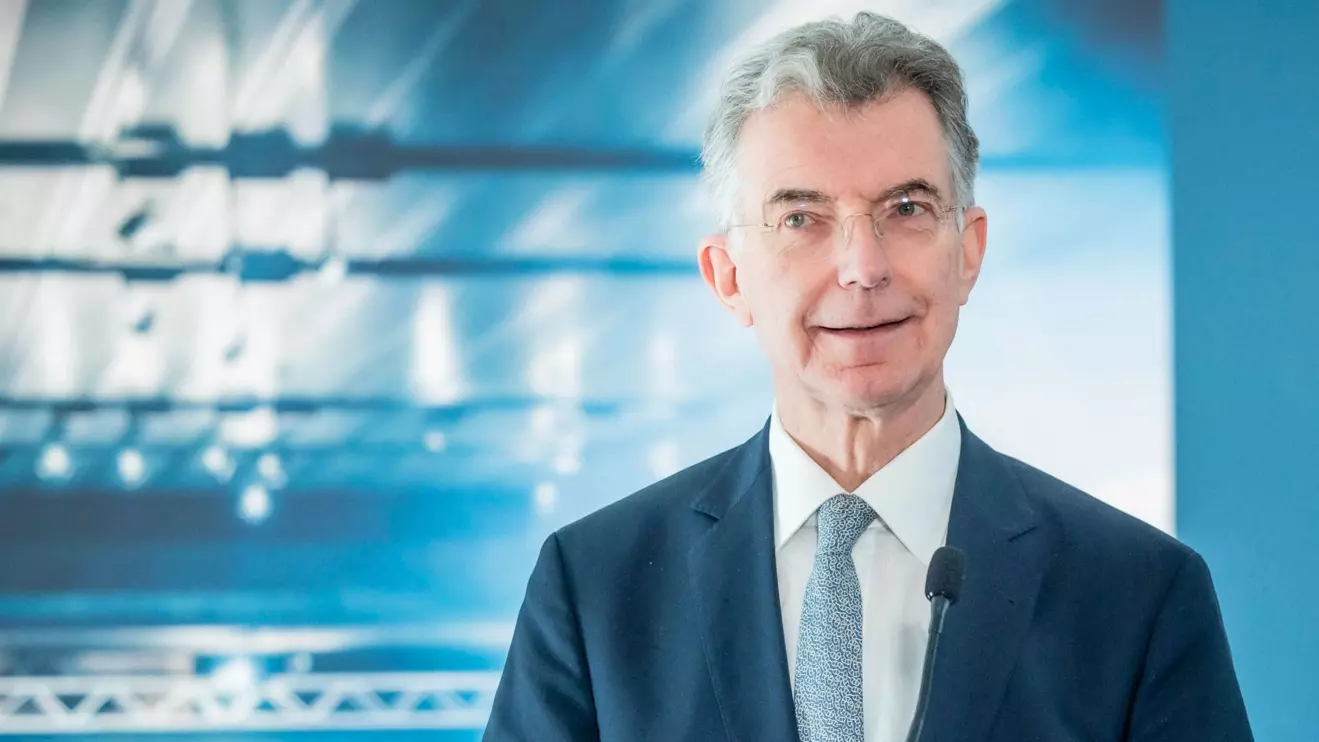
Russian and Iranian government officials have not been invited to this year's Munich Security Conference, as they did not seem open to meaningful dialogue, according to the man chairing the annual event.
The conference, attended by the world's defence and security elite and sometimes known as "Davos for defence", will take place in the southern German city on Feb. 16-18.
The event will open days before the second anniversary of Russia's invasion of Ukraine and four months after the start of the Israel-Hamas war, which has deepened instability across the Middle East as Western nations battle Iran-backed groups in Iraq, Yemen and Syria.
Christoph Heusgen said on Tuesday he hoped the meeting would discuss these conflicts as well as others that received less attention but were causing major humanitarian crises such as the 10-month-old war in Sudan, which has displaced millions.
U.S. and Chinese officials for example had spoken with one another for the first time in a long while at last year's event, which led to further engagement, he told Reuters.
"So we hope Munich offers the opportunity to make these small steps," said Heusgen, who was a longtime foreign policy adviser to former Chancellor Angela Merkel.
He also expected the attendance of high-ranking Chinese officials. Last year top diplomat Wang Yi attended the event.
Heusgen told German press agency DPA the Iranian and Russian governments had not been invited because they had not shown a serious interest in negotiations. However, Iranian and Russian non-governmental organisations had been invited, he said.
Heusgen, roundly condemned by Israel's ambassador to Germany for warning in October against an Israeli ground offensive in Gaza, said he expected high-ranking Israeli officials to attend.
Germany was in a dilemma on Israel, he said, as it was committed to the country's security but also disagreed with its current leadership on a number of issues and had therefore suspended bilateral government consultations.
Heusgen praised Germany's support for Ukraine, as the second biggest provider of military help to Kyiv. However it would need to have a discussion throughout society on the importance of higher defence spending and how to finance this, he said.