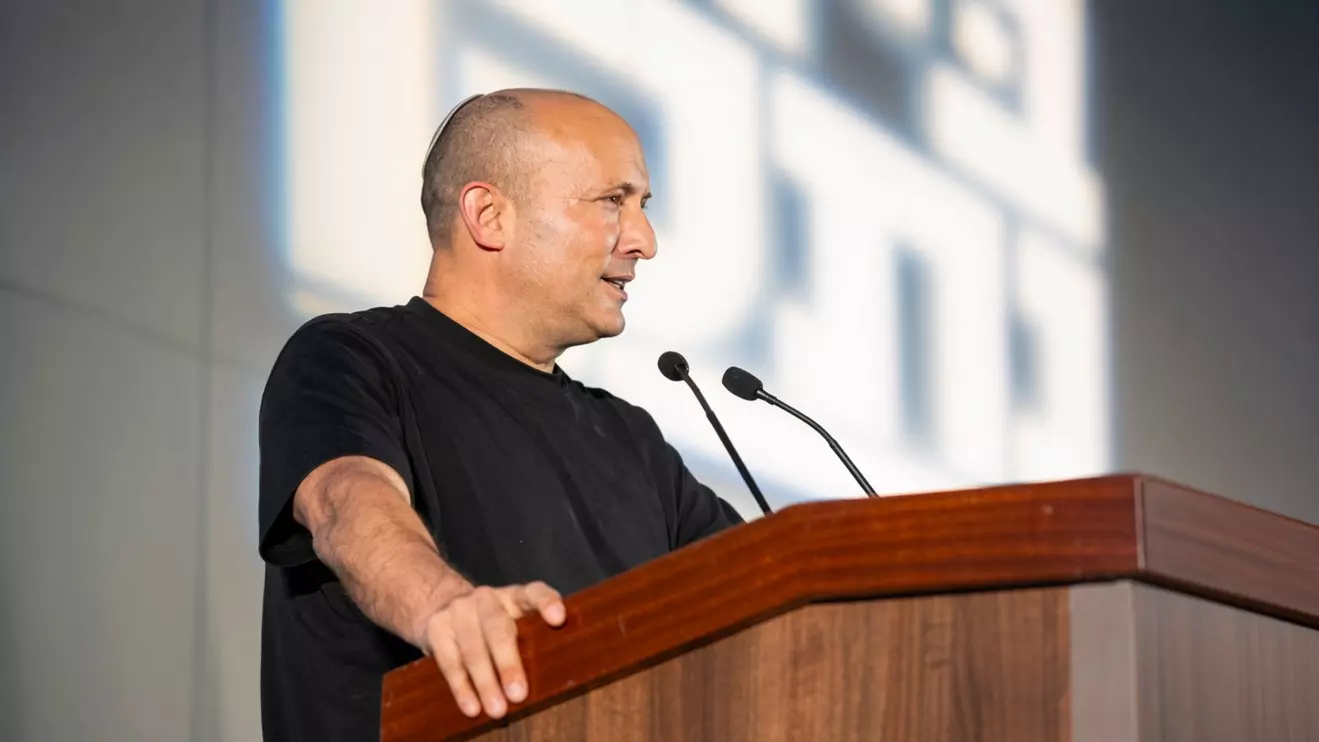
Five months ago, Naftali Bennett looked like the man to beat Benjamin Netanyahu. On October 27, he enters Israel's election as the leader of a shrinking list, overtaken in the opposition camp by a former army chief with no political baggage.
Bennett is the only candidate besides Netanyahu who has actually run the country. He was prime minister from 2021 to 2022, heading an eight-party coalition that held together for 18 months, a feat few thought possible.
A former elite commando who made his fortune in tech, he speaks the language of both security hawks and secular, business-minded voters. That crossover appeal is rare, and it explains why a May poll found 46% of Israelis considered him suitable for prime minister, ahead of Netanyahu's 41%.
His alliance with Yair Lapid, announced on April 26, was meant to unite the opposition. At launch, "Together" polled at 26 to 27 seats, enough to rival Likud.
Where he is vulnerable
The momentum did not last. By late June, Together was polling at about 15 seats, and a Ma'ariv survey in May had already shown a loss of nine seats compared with what Bennett's and Lapid's parties held separately before the merger.
A poll that month found 42% preferring Eisenkot to Bennett's 21% when asked to choose between them. The merger has proved to be worth less than the sum of its parts.
Gadi Eisenkot, the former chief of staff, has been the main beneficiary. Calm and untainted by past coalition deals, he has taken the role of the opposition's safest bet. Bennett has also failed to attract Eisenkot into his list, which would have settled the leadership question.
The unanswered questions
Bennett's record is also a liability. His 2021 government collapsed in a year and a half, and it relied on the Islamist Ra'am party, an alliance many of his right-wing voters never forgave. Today the Jewish opposition parties refuse to count on Arab parties, which leaves them eight seats short of a majority by most polls. Bennett has offered no clear plan to close that gap.
Like most of his rivals, he has also said little about the cost of living, housing prices or the dominance of a few conglomerates, the issues that weigh on ordinary Israelis.
Bennett can still decide who forms the next government if the blocs stay deadlocked. But the man who once looked like Netanyahu's natural successor now has to justify why he should lead the opposition at all.