Hamas
Israeli commandos capture Hamas official
Israeli special forces captured a Hamas militant leader in a raid in Gaza City on Tuesday while Israeli air strikes meant to protect those troops killed four Palestinians, authorities said.

Israeli Prime Minister Benjamin Netanyahu has appointed his military secretary, Maj. Gen. Roman Gofman, as the next director of the Mossad, Israel’s foreign intelligence agency.
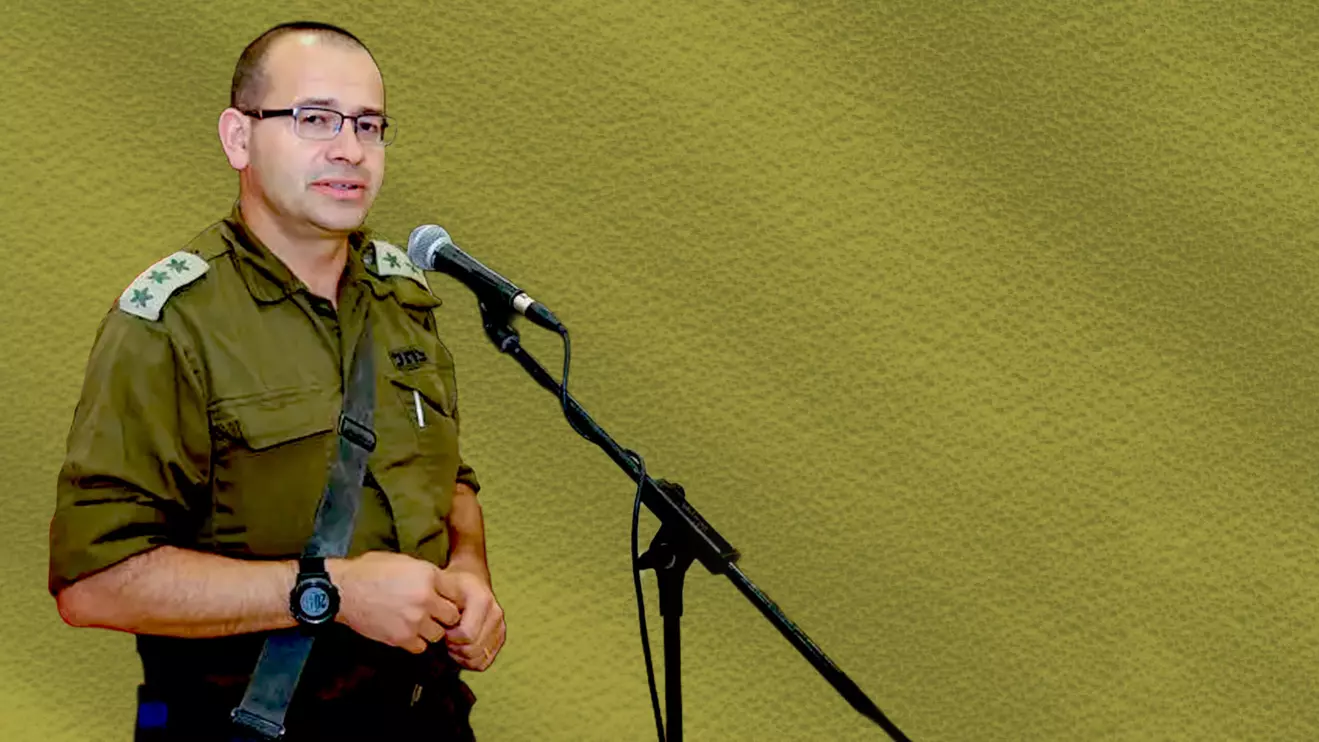
Roman Gofman © INS
Israeli Prime Minister Benjamin Netanyahu has appointed his military secretary, Maj. Gen. Roman Gofman, as the next director of the Mossad, Israel’s foreign intelligence agency.
Gofman will replace current Mossad chief David Barnea when Barnea’s five-year term ends in June 2026. The appointment was submitted for review to the Advisory Committee for Senior Appointments and is not expected to face significant political or legal opposition.
The choice is notable because Gofman comes from outside the Mossad’s internal ranks. According to Israeli media, Netanyahu bypassed two candidates recommended by Barnea in favor of Gofman, who is considered personally close to the prime minister after nearly two years as his military secretary.
In announcing the decision, Netanyahu’s office described Gofman as a “highly distinguished officer” with deep operational experience and close working relationships with Israel’s intelligence and security agencies. The statement highlighted his role during the current war, including his direct coordination with the Mossad and other security bodies across multiple operational fronts.
From Armored Corps to Intelligence Leadership
Born in Belarus, Gofman immigrated to Israel in 1990 at age 14. He built his career in the IDF’s Armored Corps, rising through command roles as a tank commander, battalion commander, brigade commander, and later a division commander.
In 2024, he was appointed Netanyahu’s military secretary, a position that placed him at the center of strategic coordination between the prime minister, the IDF, and Israel’s intelligence agencies.
During the October 7, 2023, Hamas attack and its aftermath, Gofman rushed to the Gaza border and was seriously wounded in a firefight near Sderot. After recovering, he returned to senior defense roles before taking up his current post.
Past Controversies and Strategic Views
Gofman’s record includes at least one high-profile controversy. During his tenure commanding the Syria-border division, a teenage civilian was used in a covert social media influence operation involving sensitive information.
Gofman later said he was unaware of the individual’s age and had instructed that only non-classified material be shared. Charges in the case were eventually dropped.
Before becoming military secretary, Gofman also authored an internal document advocating continued Israeli military control over Gaza after the defeat of Hamas. The IDF emphasized at the time that the document reflected his personal view and not official policy.
A Rare but Not Unprecedented Appointment
While most Mossad directors come from within the intelligence community, appointing a senior IDF general is not without precedent. Past Mossad chiefs have included former top military commanders and former military secretaries to prime ministers.
Gofman now joins a growing list of senior military officers recently tapped for leading civilian and intelligence roles, part of a broader trend drawing heavily from IDF leadership during and after the war.
Netanyahu’s decision signals a preference for trusted wartime leadership and close operational coordination as Israel prepares for the next phase of its intelligence and security challenges.
Israeli special forces captured a Hamas militant leader in a raid in Gaza City on Tuesday while Israeli air strikes meant to protect those troops killed four Palestinians, authorities said.
Israel's political scene keeps splintering ahead of the October 27 vote, with retired Brigadier General Ofer Winter becoming the latest figure to enter the race, launching a new party, Amcha Israel.
Jordan's King Abdullah II has expressed his "full support" for the international conference backing Lebanon's armed forces and Internal Security Forces (ISF), for which a preparatory meeting is set to take place in Paris on September 17.

To make this website run properly and to improve your experience, we use cookies. For more detailed information, please check our Cookie Policy.
Necessary cookies enable core functionality. The website cannot function properly without these cookies, and can only be disabled by changing your browser preferences.