There comes a moment when diplomacy stops being wisdom and becomes self-deception.That moment arrives every time Western leaders convince themselves that the Iranian regime has changed.
It hasn’t.
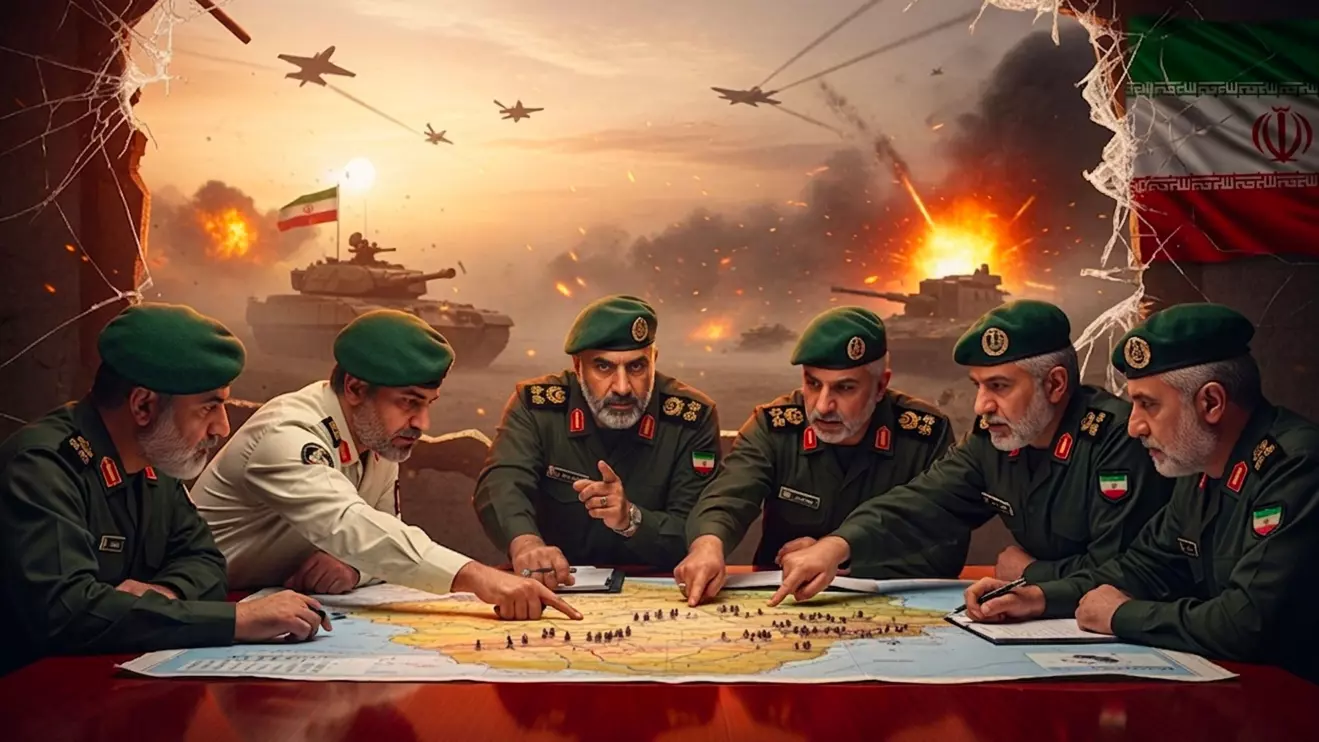
The last few days have once again exposed the illusion. While diplomats speak of de-escalation and confidence-building, the regime has continued to project force, threaten vital shipping lanes, arm proxies across the Middle East, and confront the West through a strategy of calibrated aggression. This is not an accident. It is the regime’s operating model.
The Islamic Republic has spent nearly half a century perfecting a simple formula: negotiate when under pressure, regroup while the pressure eases, strengthen its military capabilities, and return to confrontation from a stronger position.
The pattern is so consistent that pretending not to see it is no longer diplomacy. It is a refusal to learn.
History is filled with broken promises. Nuclear commitments followed by violations. Hostage diplomacy. Proxy wars stretching from Lebanon to Gaza, Iraq, Syria, and Yemen. Missile development pursued alongside negotiations. Every cycle begins with optimism abroad and ends with greater instability.
The problem is not that Iran negotiates.
The problem is believing that negotiations alone can transform a revolutionary regime whose leadership repeatedly defines confrontation with the West and the destruction of Israel as central ideological objectives.
Words are inexpensive. Capabilities are not.
The only meaningful measure of any agreement is what happens after the cameras leave, after the signatures dry, after the headlines disappear.
Does uranium enrichment stop?
Do ballistic missile programs stop?
Does financing of armed proxies stop?
Do attacks on international shipping stop?
Do threats against neighboring states stop?
If the answer is no, then the agreement has not produced peace. It has merely purchased time.
History does not merely record mistakes
Supporters of endless engagement often accuse skeptics of wanting war.
The opposite is true.
The surest road to war is allowing aggressors to conclude that violations carry little cost. Deterrence has prevented more wars than wishful thinking ever has.
Peace is not preserved by trusting regimes with long records of deception.
Peace is preserved when hostile governments understand that aggression will consistently produce consequences greater than any possible gain.
This is not an argument against diplomacy.
It is an argument against naïveté.
Diplomacy without leverage becomes theater.
Diplomacy without enforcement becomes surrender in slow motion.
The free world has already conducted this experiment for decades. Each new negotiation has been presented as a historic breakthrough. Yet each cycle has left Iran militarily stronger, its regional network more entrenched, and the Middle East less stable.
How many repetitions are required before we recognize a pattern?
History does not merely record mistakes.
It punishes those who refuse to learn from them.
The lesson is painfully clear.
Trust must never be granted simply because a regime asks for it.
It must be earned through sustained, verifiable, irreversible changes in behavior.
Until then, hope is not a strategy. Memory is.
History has already rendered its verdict. The question is whether today’s leaders are willing to read it.