Iran
Liberation is not a slogan. It is a set of decisions
Seven months into this war, the Islamic Republic is in the tightest corner of its forty-seven years. That is not cheerleading; it is arithmetic.



Seven months into this war, the Islamic Republic is in the tightest corner of its forty-seven years. That is not cheerleading; it is arithmetic.
The new year began with a scandal. A documentary built on the testimony of twenty-four anonymous Israeli soldiers and intelligence officers won a prize in Venice and set off a fury at home. The chief of staff has ordered a legal hunt for the sources; the culture minister speaks of treason.

I am an artist, not a film critic and not a military researcher. But for years I was involved in the world of film and culture at the highest levels.

There is a war being fought against Iran that involves no missiles or soldiers — only algorithms, ledgers, and sanctions. Its commander is Treasury Secretary Scott Bessent, and its battlefield is the global financial system.

In 1815, Talleyrand arrived at the Congress of Vienna representing a defeated nation. France had burned Europe for two decades and lost.
There is a pattern by now, and it has a rhythm. Iran attacks shipping in the Strait of Hormuz. Washington responds.
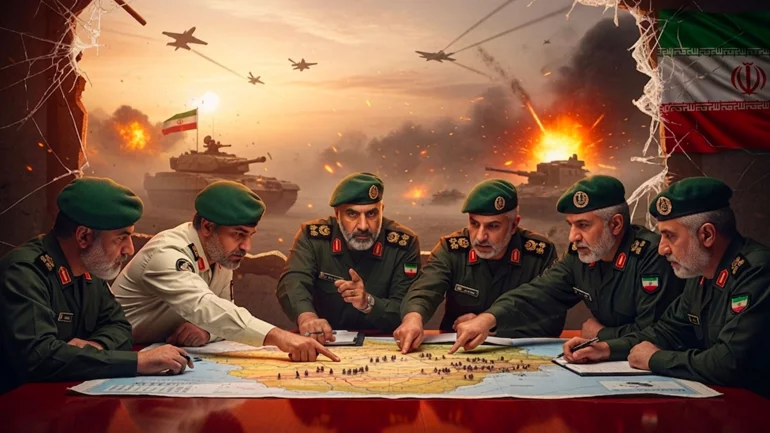
There comes a moment when diplomacy stops being wisdom and becomes self-deception.That moment arrives every time Western leaders convince themselves that the Iranian regime has changed.
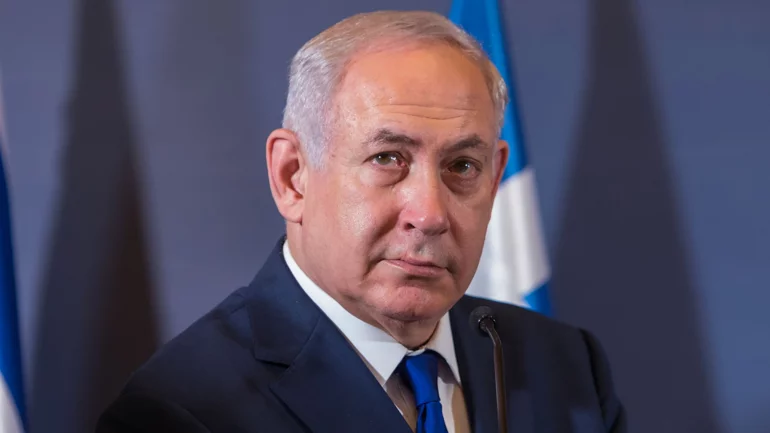
Israel needs strength and diplomacy. Treating them as enemies is the real danger.
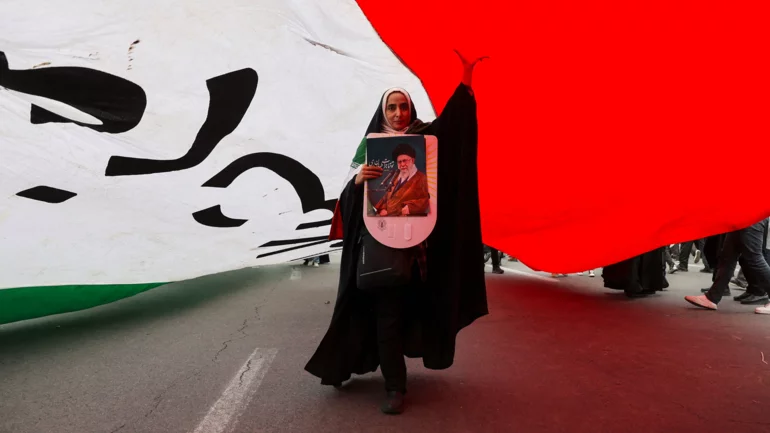
The central mistake of every weak agreement with Tehran is the same: it assumes that the Islamic Republic can be persuaded to behave like a normal state.
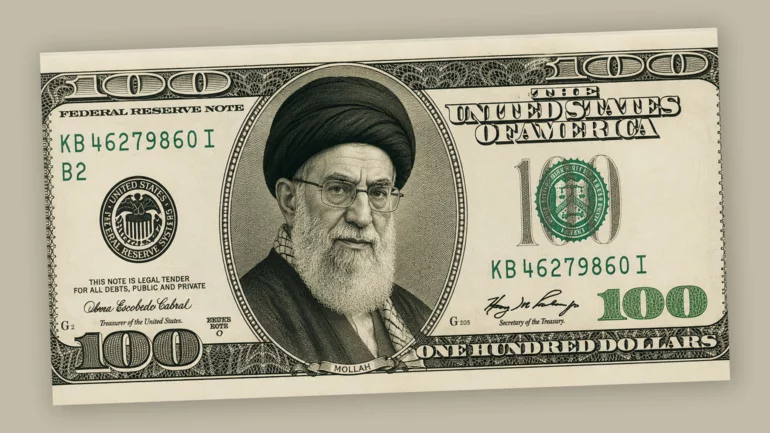
The stakes in the confrontation with Iran extend far beyond the Middle East. If Tehran emerges from this crisis looking stronger, the damage will not be confined to Israel or the Gulf.

President Trump understands something most diplomats refuse to acknowledge: the Middle East cannot remain a museum of old hatred.
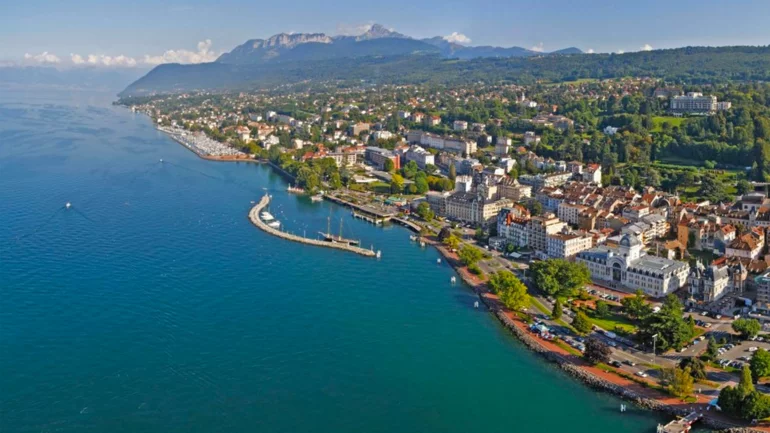
When leaders gather in Evian (France) next month, they will do what they always do: negotiate, issue a communiqué, and leave believing they have accomplished something.
To make this website run properly and to improve your experience, we use cookies. For more detailed information, please check our Cookie Policy.
Necessary cookies enable core functionality. The website cannot function properly without these cookies, and can only be disabled by changing your browser preferences.