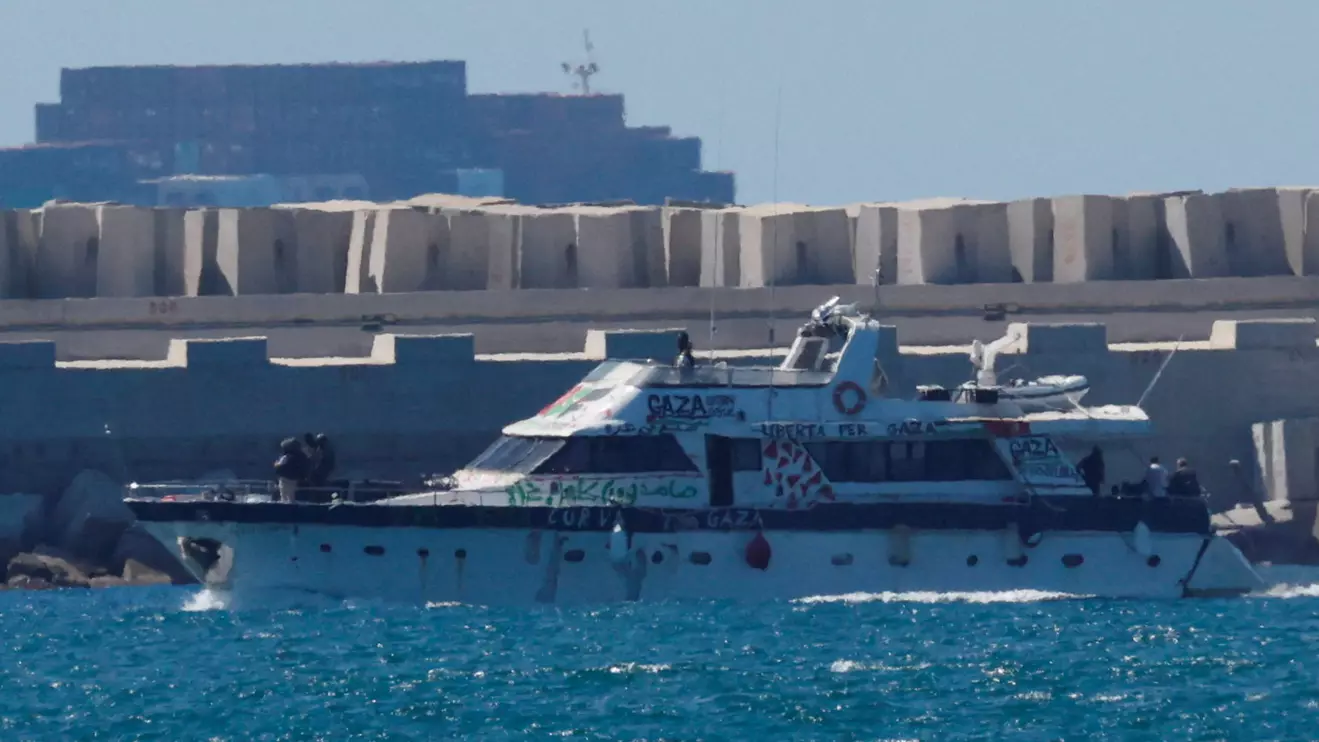
In the latest episode of political theatre dressed up as humanitarian heroism, a fleet of activists — armed with good intentions and zero cargo — set sail for Gaza in what might be the most poorly disguised PR stunt of the year.
Among the 400+ seafaring saviors were politicians, self-styled peace crusaders, and of course, climate mascot Greta Thunberg, whose credentials in Middle Eastern geopolitics are as robust as the nutritional value of a hashtag.
The so-called "humanitarian flotilla" departed with great fanfare and — minor detail — without actual humanitarian aid. You know, the food, medicine, or supplies one might expect from a mission claiming to bring relief to a war zone.
Instead, this was less a relief operation and more a floating press release.
The Israeli navy, which understandably prefers actual aid to performance art, intercepted the vessels before they could breach the Gaza blockade — a blockade, let's not forget, enforced to prevent arms smuggling to a terrorist organization (Hamas) that lobs rockets at civilians.
But that nuance tends to get lost somewhere between the activist selfie sessions and the media's breathless coverage of "peace boats."
Back in Athens, the Greek foreign ministry confirmed that the 27 Greek nationals detained during this misadventure are safe, healthy, and on their way home — presumably to upload the rest of their GoPro footage and schedule interviews about their bravery in the face of catered detention.
Let’s be real: If this was a genuine humanitarian mission, it was the most incompetent one ever launched.
No food, no medicine, no logistics — just slogans, symbols, and a media circus. The whole operation was about as "humanitarian" as a flash mob in Times Square is a ballet.
Except this one flirted with international incidents and tried to provoke a sovereign state into conflict. Classy.
Even more suspicious? The funding. Nobody seems to know exactly who paid for this feel-good flotilla, though one can guess it's the usual cocktail of fringe NGOs, ideologically motivated donors, and people who genuinely believe that hashtags can dismantle blockades.
Bottom line: this wasn’t humanitarian. It was political. It wasn’t aid. It was agitprop. And if you're going to sail into a high-tension conflict zone, you’d better bring more than buzzwords and a film crew.
Until then, please — stop calling it a flotilla. Call it what it is: a publicity stunt on water, with no cargo but ego.