Tunisia
Biggest protest in years hits Tunisia
Thousands of Tunisians joined the largest protest against President Kais Saied in years on Saturday, accusing him of undermining democracy and mishandling the economy in a growing challenge to his rule.

Tunisia's summer of 2026 was the hottest ever recorded in the country since measurements began in 1950, the National Institute of Meteorology (INM) announced Tuesday, noting that July and August were marked by "particularly intense and prolonged heatwaves."
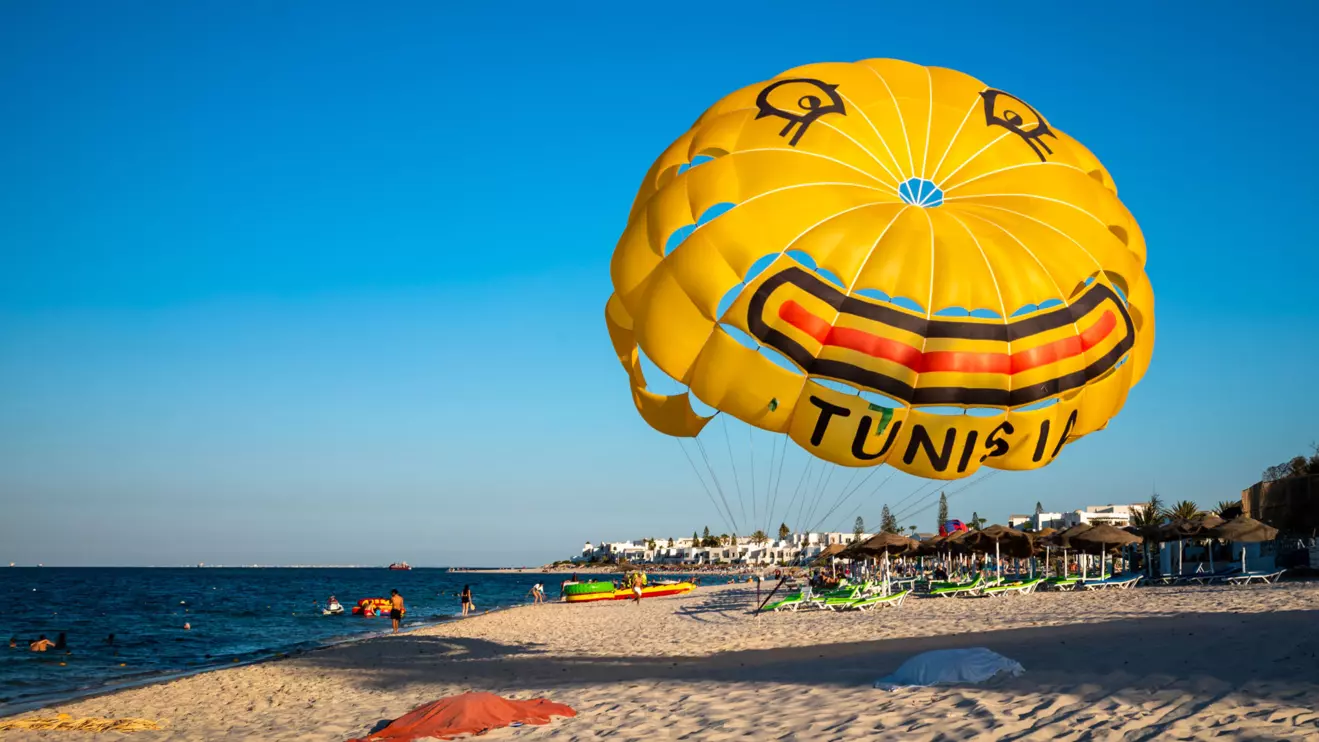
In a statement, the INM said temperatures deviated by "+2.9°C compared to the 1991-2020 climate normal © Mena Today
Tunisia's summer of 2026 was the hottest ever recorded in the country since measurements began in 1950, the National Institute of Meteorology (INM) announced Tuesday, noting that July and August were marked by "particularly intense and prolonged heatwaves."
Although accustomed to crushing summer heat, Tunisia endured an especially punishing season this year. Temperatures soared to exceptional levels across several regions, coinciding with water and electricity cuts. Scientists link such intense, prolonged heat episodes to climate change.
In a statement, the INM said temperatures deviated by "+2.9°C compared to the 1991-2020 climate normal." The season saw repeated extremes: in July, the central city of Kairouan hit a then-record 48.4°C, before a second heatwave in late August pushed the same city to 49.8°C, edging close to the country's all-time national record of 50.3°C, set in Kairouan in August 2021.
No relief even at night
The INM added that this summer's heat episodes "also stand out for the persistence of exceptionally high nighttime temperatures, severely limiting nighttime cooling and thereby heightening the severity of thermal conditions », a pattern that leaves the body little chance to recover between successive days of extreme heat, and is considered by health authorities to be particularly dangerous for children, the elderly and people with chronic illnesses.
Thousands of Tunisians joined the largest protest against President Kais Saied in years on Saturday, accusing him of undermining democracy and mishandling the economy in a growing challenge to his rule.
Italy has extended by another week its suspension of the European Union's border-free travel arrangements with Spain over a surge in migrant arrivals in Ceuta in late July, an Italian government source said on Friday.
Torrential downpours flooded the Libyan capital of Tripoli on Tuesday, killing two people, according to a statement by authorities and a local TV channel.

To make this website run properly and to improve your experience, we use cookies. For more detailed information, please check our Cookie Policy.
Necessary cookies enable core functionality. The website cannot function properly without these cookies, and can only be disabled by changing your browser preferences.