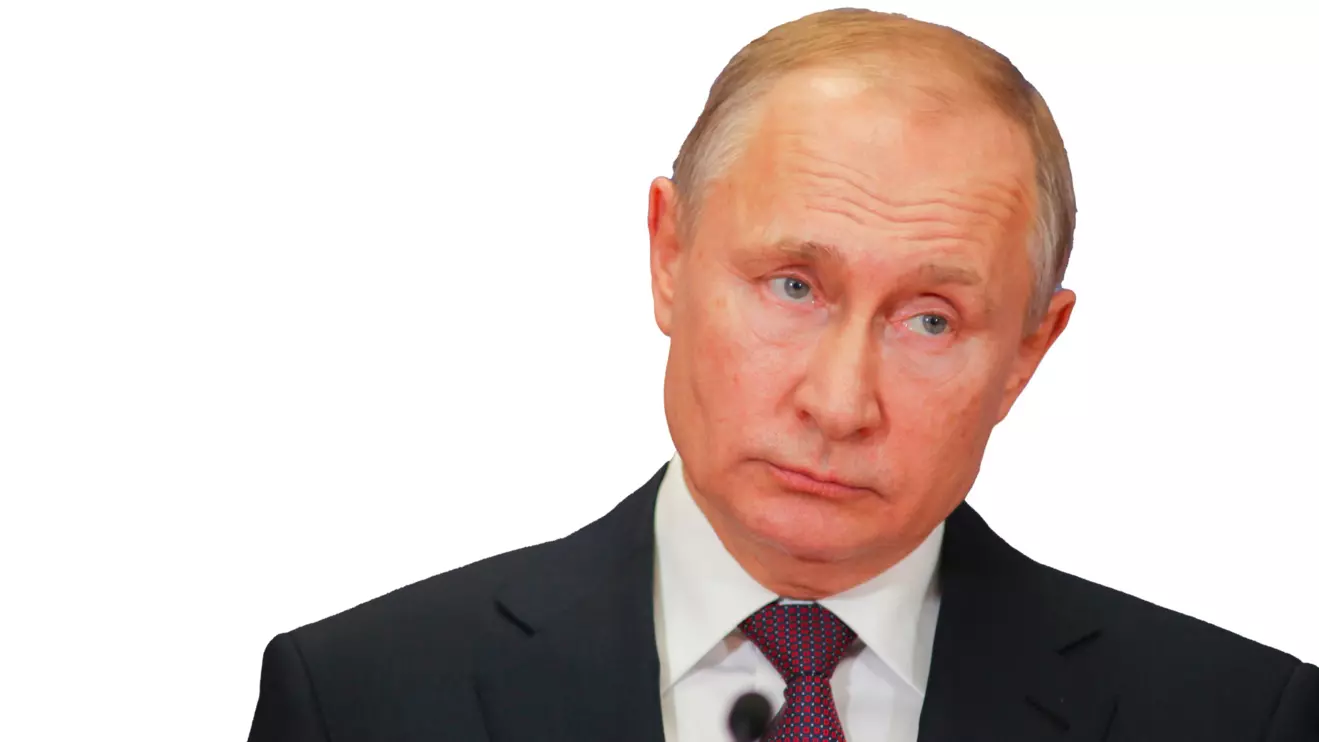
Russian President Vladimir Putin and his Iranian counterpart Massoud Pezeshkian held a phone call Monday to discuss Tehran’s nuclear program, the Kremlin announced, as European powers warn of renewed sanctions if no agreement is reached by the end of August.
According to the Kremlin, the two leaders exchanged views on “the situation surrounding Iran’s nuclear program.” The Iranian presidency later stated that President Pezeshkian thanked Putin for backing Tehran’s “right to enrichment” of uranium, while reiterating that Iran “does not seek, and will never seek, to build nuclear weapons.”
The conversation comes on the eve of renewed talks in Geneva between Iran and three European signatories of the 2015 nuclear deal — France, Germany, and the United Kingdom. These countries have threatened to trigger a snapback of UN sanctions if Tehran fails to comply with negotiated limits on its nuclear activities.
Europe’s Warning and Iran’s Stance
The 2015 Joint Comprehensive Plan of Action (JCPOA), signed by Iran and world powers including the U.S., Russia, and China, had imposed strict limits on Tehran’s nuclear activities in exchange for sanctions relief. However, the deal unraveled after Washington unilaterally withdrew in 2018 under then-President Donald Trump.
Since then, Iran has gradually breached key restrictions, particularly on uranium enrichment, while insisting its program remains peaceful and civilian-oriented. Western nations, along with Israel, accuse Tehran of seeking the capability to develop nuclear weapons — an allegation Iran continues to reject.
Moscow has consistently defended Iran’s position, framing its nuclear program as legitimate under international law provided it is for civilian purposes. Russia and Iran have drawn closer since the start of the war in Ukraine in 2022, with both countries seeking to counter Western pressure.
Ahead of Tuesday’s Geneva talks, Tehran has once again sought to coordinate positions with Russia and China, underscoring the shifting geopolitical alliances shaping the future of the nuclear negotiations.