Qatar’s double Game: Terror patron and pretend mediator

1 min Antoine Khoury

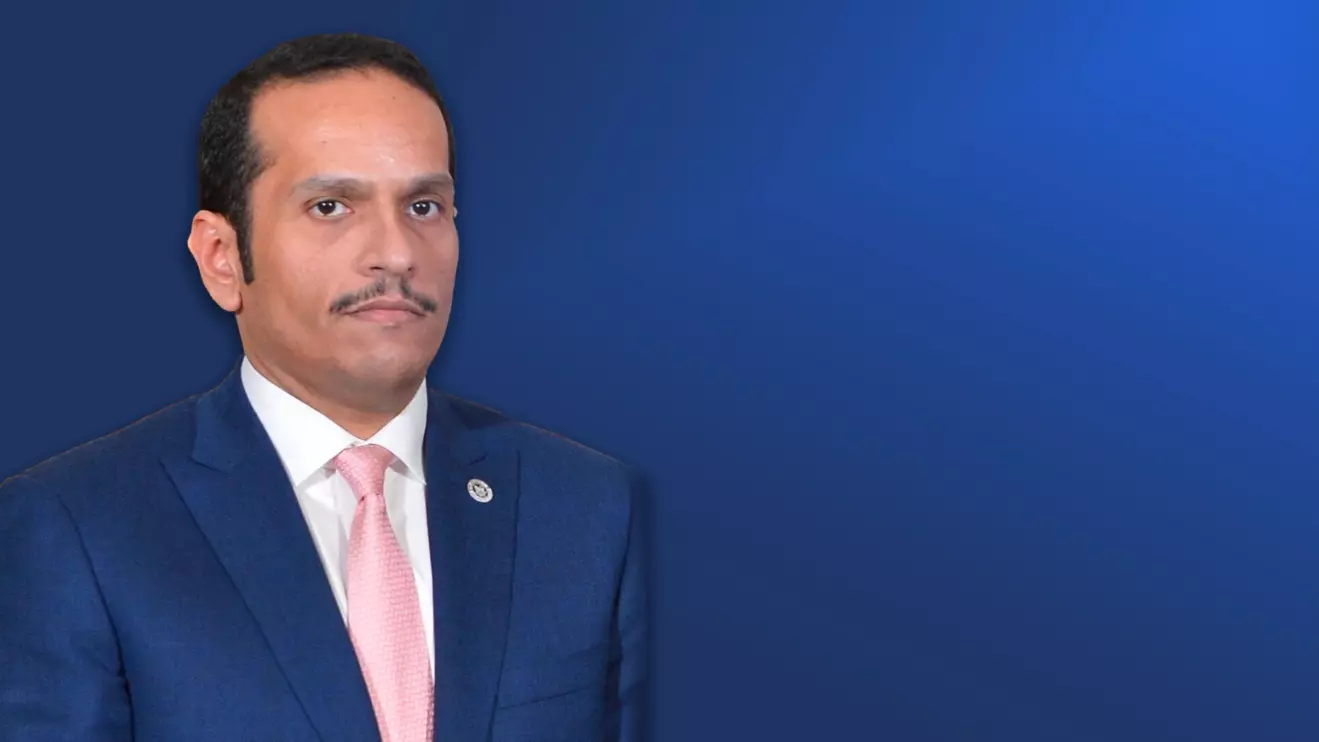
Qatar’s Prime Minister, Mohammad bin Abdulrahman Al-Thani, lashed out at Israeli leader Benjamin Netanyahu on Wednesday, telling CNN that he should be “brought to justice” and accusing Israel of destroying hopes for the release of hostages held in Gaza.

Mohammad bin Abdulrahman Al-Thani © Mena Today 

Mohammad bin Abdulrahman Al-Thani © Mena Today 

Qatar’s Prime Minister, Mohammad bin Abdulrahman Al-Thani, lashed out at Israeli leader Benjamin Netanyahu on Wednesday, telling CNN that he should be “brought to justice” and accusing Israel of destroying hopes for the release of hostages held in Gaza.

His comments came a day after Netanyahu warned Doha and other governments that shelter terrorist leaders: “You must either expel them or put them on trial. Because if you don’t, we will.”

Al-Thani’s outrage is as hypocritical as it is predictable. For years, Qatar has hosted, financed, and legitimized Hamas, offering its leaders safe haven in Doha while providing the group with vast sums of money. It is precisely this policy that has emboldened Hamas and prolonged the conflict in Gaza.

A state sponsor of extremists

Qatar’s support is not limited to Hamas. The tiny Gulf state has a long record of aiding extremist groups across the Middle East, Africa, and Asia. From the Taliban in Afghanistan to radical militias in Africa, Doha has used its immense financial resources to build influence through terrorist proxies while posing as a “neutral mediator.”

This is not diplomacy. It is state-sponsored duplicity. By funding and protecting those who sow terror, Qatar cannot credibly claim the mantle of peacemaker.

The claim that Israel’s actions have “killed all hope” for hostage negotiations ignores a deeper truth: there was never any genuine hope as long as Hamas leaders enjoyed safe harbor in Doha. Qatar’s “mediation” is little more than a public-relations exercise, designed to give the emirate prestige on the world stage while concealing its direct complicity in terror financing.

Al-Thani may point the finger at Netanyahu, but Qatar itself is deeply implicated in the cycle of violence. The country’s rulers have chosen to bankroll extremists instead of building real peace.

If Doha truly seeks credibility, it should start not with lectures on morality, but by ending its patronage of terrorists and shutting down the safe haven it has created for them.

Antoine Khoury

Antoine Khoury

Antoine Khoury is based in Beirut and has been reporting for Mena Today for the past year. He covers news from Lebanon, Syria, Jordan, and Turkey, and is widely regarded as one of the region’s leading experts

Related

Israel

Empty hotels, no pilgrims, no diaspora: Israel's tourism catastrophe

Five years of relentless upheaval have left Israel's tourism sector in ruins. The Covid pandemic, the October 7, 2023 massacres, the 2025 offensive against Iran and the renewed conflict in 2026 have delivered blow after blow to an industry that once welcomed millions of visitors annually. 

Lebanon

Israel launches new strikes in South Lebanon

Israeli airstrikes in southern Lebanon killed at least 13 people on Wednesday, Lebanese security sources said, as Israel pressed its campaign against Hezbollah and the Iran-backed group claimed fresh attacks against Israeli forces in the south.

Turkey

Erdogan's Israel obsession: When foreign policy becomes campaign material

Turkish President Recep Tayyip Erdogan escalated his rhetorical offensive against Israel on Wednesday, telling lawmakers from his ruling AK Party that Israeli attacks on Lebanon and Syria had reached a point where they "also threaten Turkey », a claim that says far more about Turkish domestic politics than it does about regional security realities.

Subscribe to our newsletter

Mena banner 4

To make this website run properly and to improve your experience, we use cookies. For more detailed information, please check our Cookie Policy.

  • Necessary cookies enable core functionality. The website cannot function properly without these cookies, and can only be disabled by changing your browser preferences.