The United Nations Security Council resolution calling for an immediate ceasefire between Israel and Hamas in Gaza has not had an immediate impact on ceasefire talks in Doha, mediator Qatar said on Tuesday.
The resolution demanded an immediate ceasefire between Israel and Palestinian militants Hamas, as well as the release of hostages. The United States abstained from the vote, angering ally Israel which had wanted Washington to veto it. The remaining 14 council members voted in favour.
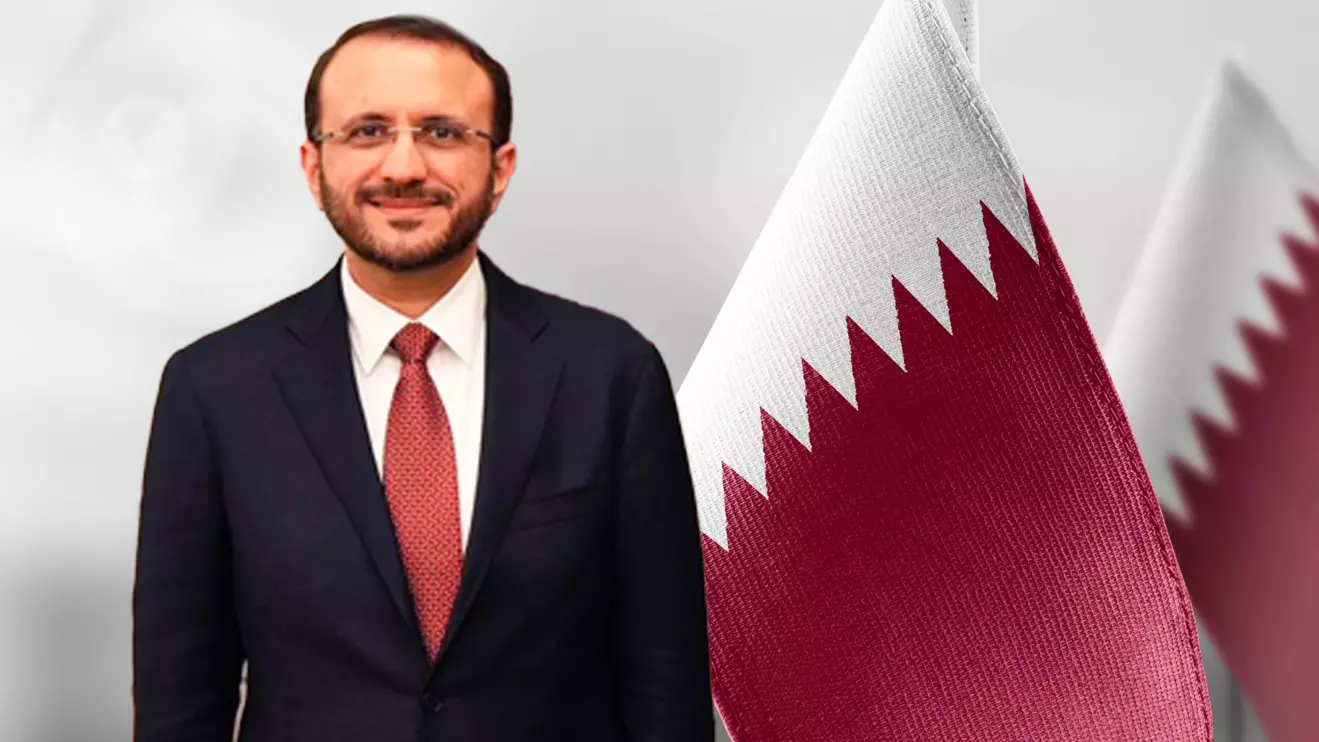
"We haven't seen any immediate effect on the talks, they are ongoing as they were before, as the (UN) decision was taking place," said Qatar foreign ministry spokesperson Majed Al-Ansari during a press conference in Doha on Tuesday.
A source briefed on the talks earlier told Reuters that a delegation from Israel's Mossad spy agency, which had arrived in Qatar more than a week ago, was still engaging in discussions. A small Mossad team was returning to Israel from Doha for consultations on developments, the source added.
For weeks the sides have been discussing a potential truce of around 42 days during which around 40 Israeli hostages would be released in return for hundreds of Palestinian prisoners. Israel says it is willing to consider only a temporary pause in fighting; Hamas wants any deal to lead to an end to the war.
Israeli Prime Minister Benjamin Netanyahu's office said on Tuesday Hamas had made "delusional" demands, which it said showed the Palestinians were not interested in a deal. Hamas has accused Israel of stalling at the talks while it carries out its military offensive.
The discussions, mediated by Egypt and Qatar, are continuing as a humanitarian crisis devastates Palestinians in Gaza with severe shortages of food, medicine and hospital care. Concerns are growing that famine will take hold.
The war was triggered when Hamas burst into southern Israel from Gaza on Oct. 7, killed 1,200 people and took 253 hostages into the enclave, according to Israeli tallies. Israeli retaliated by pounding Gaza in a military offensive which has killed more than 32,000 Palestinians, according to Gaza Health authorities.
Reporting by Andrew Mills in Doha and Ahmed Elimam and Clauda Tanios in Dubai