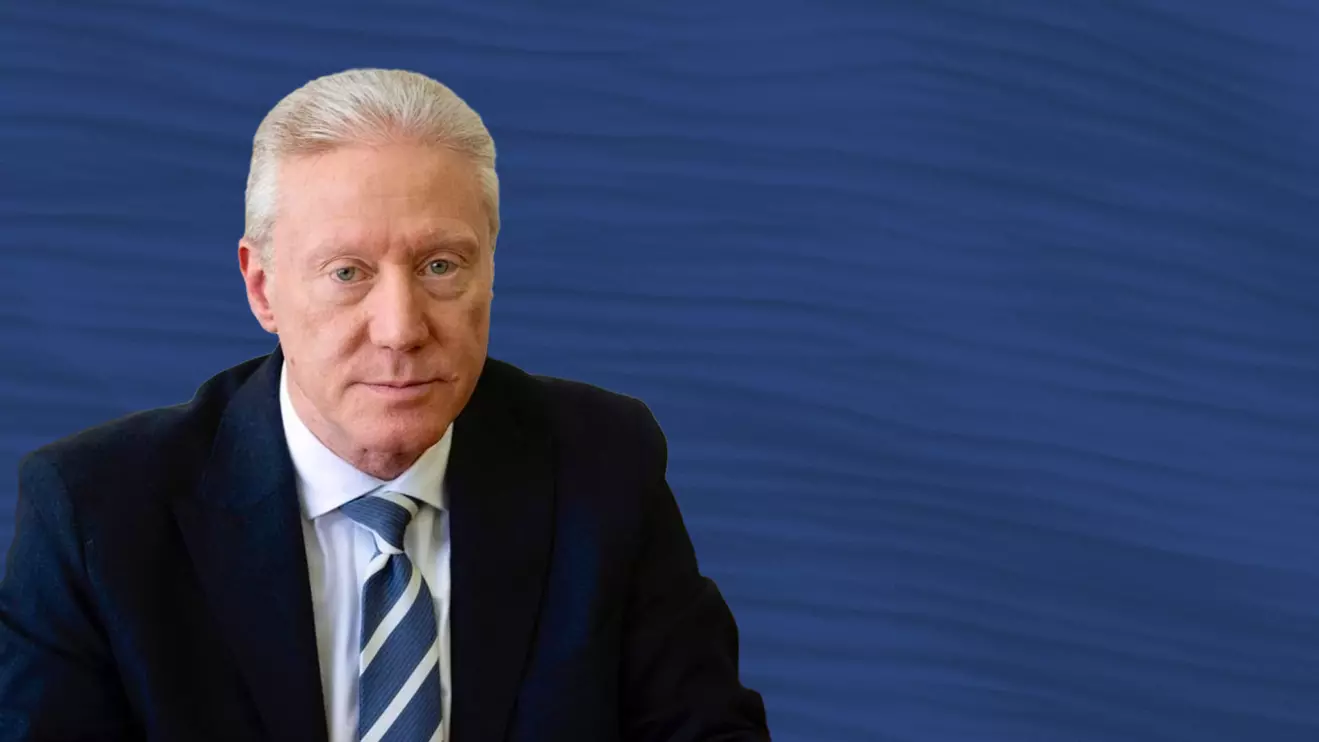
Lebanese Foreign Minister Joe Raggi said on Saturday that any handover of Hezbollah’s weapons to the Lebanese authorities ultimately depends on a decision from Iran.
He expressed regret that the Iran-backed group “is not convinced of handing its weapons to the state,” denouncing what he described as “daily signs of defiance” toward the government.
Raggi was referring to the latest remarks by Hezbollah deputy leader Sheikh Naim Qassem, who reiterated the group’s refusal to disarm and criticized the Lebanese state for making what he called a “free concession to Israel” by appointing a civilian to the committee overseeing the ceasefire mechanism.
Speaking to al-Arabiya.net, the foreign minister said: “Hezbollah cannot hand over its weapons without an Iranian decision. For now, its goal is to buy time and preserve its internal influence in order to regain its authority.”
He added that the group is rebuilding its capabilities—including financially, according to its officials—with the aim of reinforcing its domestic position whenever an opportunity arises. “Its actions are no longer limited to the South or to confronting Israel,” he stated.
Raggi stressed that the “disarmament of Hezbollah and the dismantling of its military structure is a Lebanese demand, regardless of international calls.” He said he conveyed this position on Friday to a visiting delegation from the UN Security Council.
He also explained that the plan to collect weapons south of the Litani River is set to conclude at the end of the year, after which a second phase will begin in January. This next stage will target the area between the Litani and the Awali River, near Sidon.