Saudi Arabia
Saudi defences down drones fired from Iraq
Saudi Arabia said on Tuesday that its air defenses intercepted and destroyed several drones that attempted to target oil facilities in the kingdom's Eastern Province.
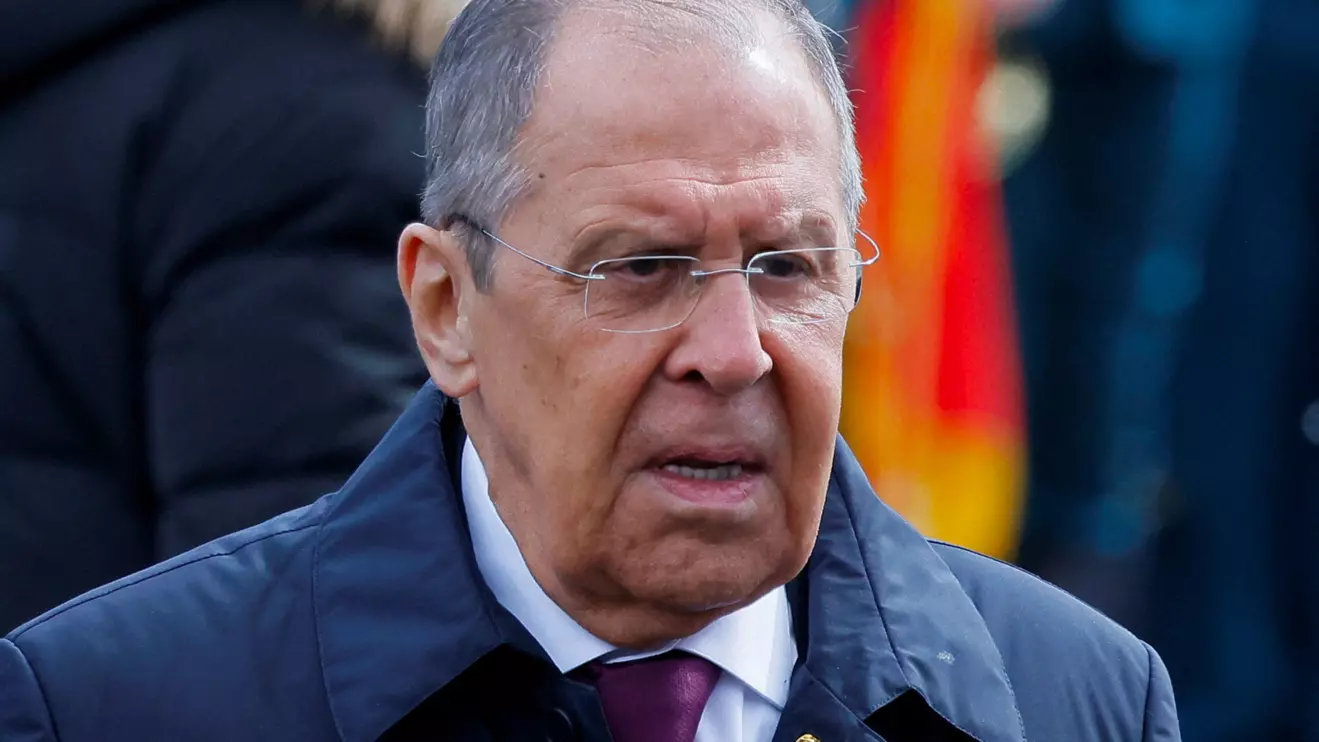
Russian Foreign Minister Sergei Lavrov, commenting on the helicopter crash that killed Iranian President Ebrahim Raisi, said on Tuesday that U.S. sanctions had worsened aviation safety.
Russia's Foreign Minister Sergei Lavrov, Reuters/Maxim Shemetov
Russian Foreign Minister Sergei Lavrov, commenting on the helicopter crash that killed Iranian President Ebrahim Raisi, said on Tuesday that U.S. sanctions had worsened aviation safety.
Iranian media reported that images from the site showed the U.S.-made Bell 212 helicopter on which Raisi was travelling slammed into a mountain peak, although there was no official word on the cause of the crash.
Iran was a major buyer of Bell helicopters under the Shah before the 1979 Islamic revolution, though the exact origin of the aircraft that crashed was not clear. Decades of sanctions have made it hard for Iran to obtain parts or upgrade its aircraft.
"The Americans disown this, but the truth is that other countries against which the United States announced sanctions do not receive spare parts for American equipment, including aviation," Lavrov said about the crash.
"We are talking about deliberately causing damage to ordinary citizens who use these vehicles, and when spare parts are not supplied, this is directly related to a decrease in the level of safety."
Editing by Guy Faulconbridge and Mark Trevelyan
Saudi Arabia said on Tuesday that its air defenses intercepted and destroyed several drones that attempted to target oil facilities in the kingdom's Eastern Province.
Iran on Tuesday executed two men for their role in nationwide protests in January, state media reported, among a series of death sentences that rights groups say have been handed out since the start of the war with the United States.
Oman has delivered a proposal to Iran envisaging regional management of the Strait of Hormuz and only voluntary fees for transit rather than Tehran's vision of maintaining control of the waterway and charging for its use.
To make this website run properly and to improve your experience, we use cookies. For more detailed information, please check our Cookie Policy.
Necessary cookies enable core functionality. The website cannot function properly without these cookies, and can only be disabled by changing your browser preferences.