
Morocco
Eight Israeli defense firms exhibit at Marrakech Airshow
Israel has taken part in the Marrakech Airshow with its first official national pavilion, putting its growing defense ties with Morocco on public display.

The Spanish government has officially terminated the functions of its ambassador to Israel, confirmed by a royal decree published Wednesday in the Official State Gazette.
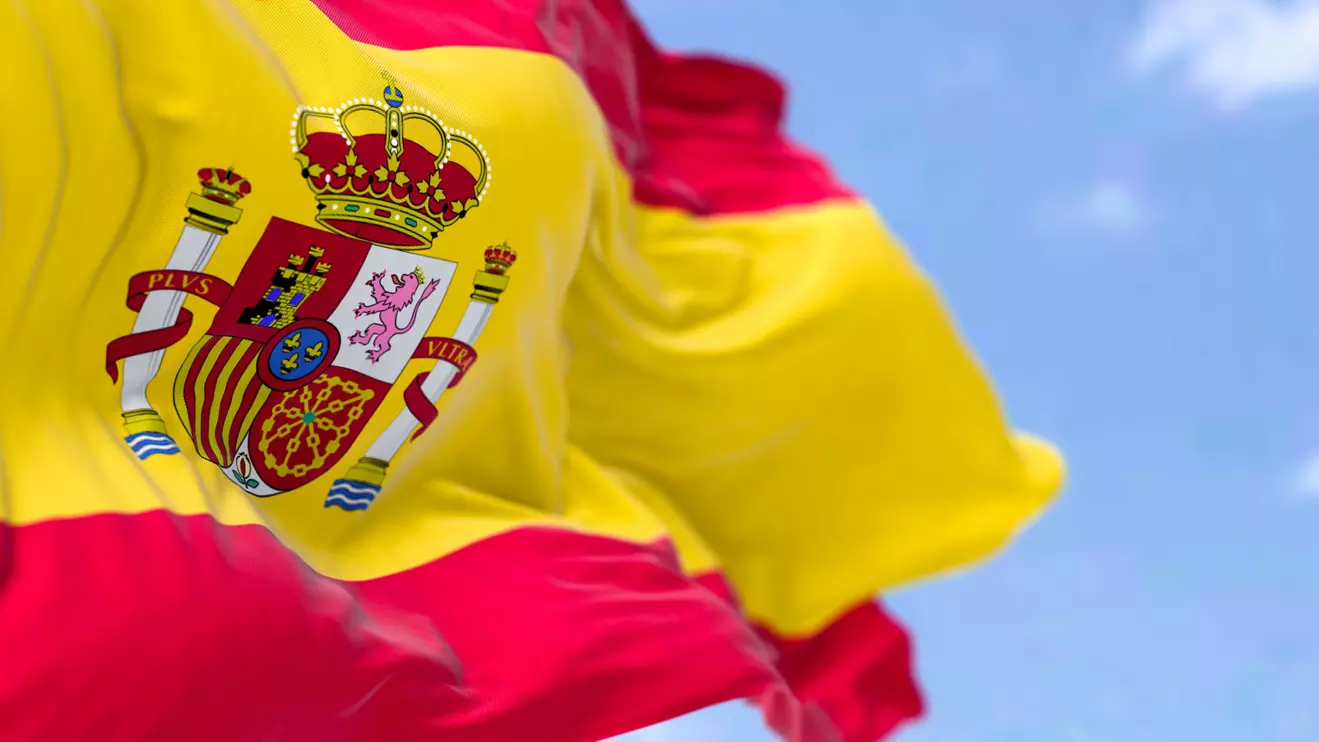
Spain's PM opposes US-Israeli strikes on Iran - and loses all Western credibility © Mena Today
The Spanish government has officially terminated the functions of its ambassador to Israel, confirmed by a royal decree published Wednesday in the Official State Gazette.
The ambassador had already been recalled to Madrid since September 2025 amid deepening tensions between the two countries.
The move comes as no surprise from a government whose coalition includes hard-left, pro-Palestinian faction, and whose foreign policy has been defined less by strategic interest than by ideological posturing.
Prime Minister Pedro Sánchez has made Israel-bashing a cornerstone of his political identity. His government was among the first in Europe to recognize a Palestinian state in 2024, a decision that prompted Israel to withdraw its own ambassador from Madrid.
Now, with Wednesday's decree, the diplomatic rupture is complete. Spain and Israel have effectively no ambassadorial representation in each other's capitals.
Sánchez has also been vocal in his opposition to the US-Israeli strikes against Iran, aligning himself, whether deliberately or not, with the theocratic regime in Tehran rather than with Western strategic interests.
The result? Spain carries zero weight in the Middle East. No dialogue with Israel. No credibility with the United States. No influence over the outcome of the most consequential regional conflict in decades.
At home, Sánchez governs a deeply divided country, propped up by a fragile coalition and facing historic levels of unpopularity. Abroad, he plays to the gallery of the radical left while burning bridges with key allies.
Posturing as a foreign policy is not a strategy. And in the Middle East, irrelevance has consequences.
Israel has taken part in the Marrakech Airshow with its first official national pavilion, putting its growing defense ties with Morocco on public display.
Benjamin Netanyahu's military secretary on October 7, 2023, has accused the prime minister of passing up chances to bring hostages home alive in order to protect his coalition. Netanyahu rejects the claim.
The US imposed fresh sanctions on Iran on Thursday, targeting individuals, networks and 17 vessels for transporting Iranian crude, oil products and petrochemicals, the Treasury Department said, as Washington stepped up economic pressure on Tehran.

To make this website run properly and to improve your experience, we use cookies. For more detailed information, please check our Cookie Policy.
Necessary cookies enable core functionality. The website cannot function properly without these cookies, and can only be disabled by changing your browser preferences.