Saudi Arabia announced a major new investment package in Syria on Saturday, covering energy, aviation, real estate and telecommunications, as Riyadh deepens its support for Syria’s new leadership.
Saudi Investment Minister Khalid al-Falih said the kingdom has launched the Elaf Fund, which will invest 7.5 billion Saudi riyals ($2 billion) to develop two airports in Aleppo in multiple phases. The fund is designed to finance large-scale projects with participation from Saudi private-sector investors.
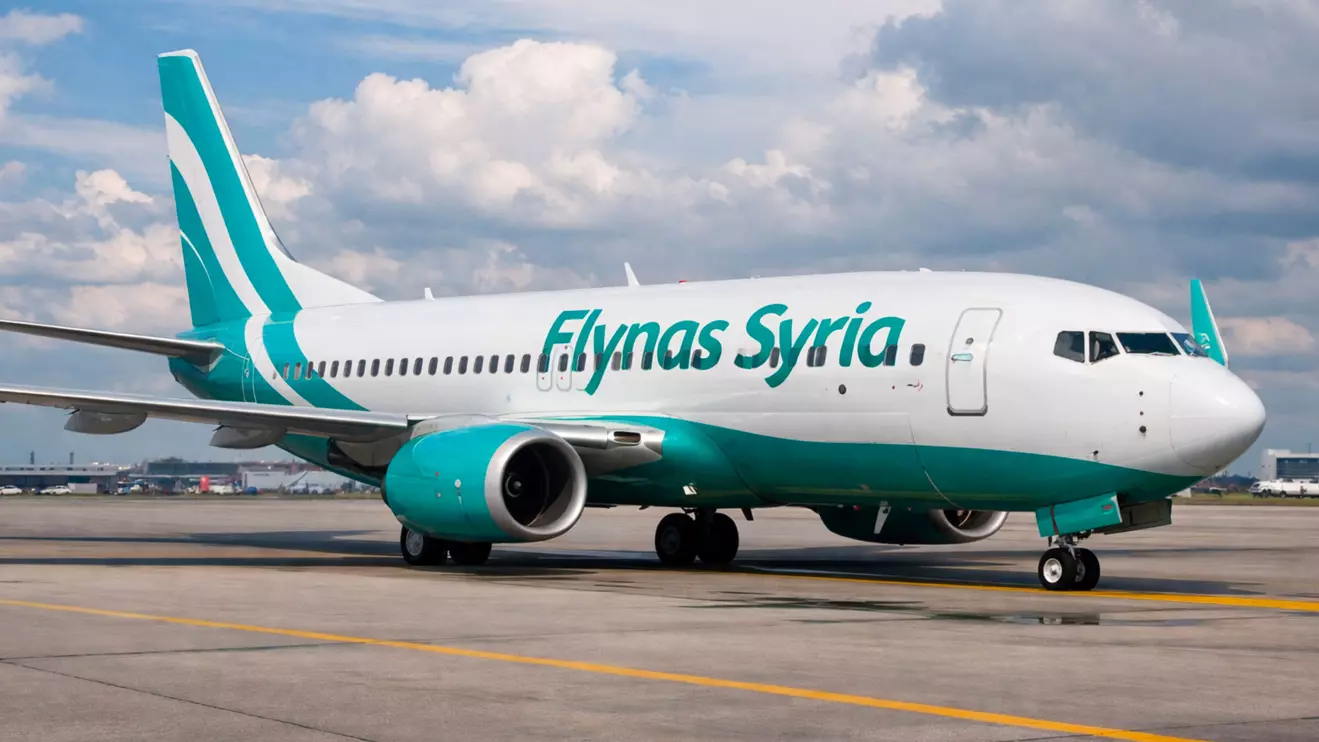
In aviation, Saudi budget carrier flynas signed an agreement with the Syrian Civil Aviation Authority to establish a new airline, Flynas Syria. The joint venture will be 51% owned by the Syrian side and 49% by flynas, with operations expected to begin in the fourth quarter of 2026.
The announcement marks the largest Saudi investment push since the United States lifted sanctions on Syria in December. Riyadh has backed President Ahmed al-Sharaa since he took power in late 2024 after the ouster of Bashar al-Assad.
Saudi Arabia last year announced $6.4 billion in investments across 47 deals in real estate, infrastructure and telecommunications.
The two countries have also signed agreements with ACWA Power and the Saudi Water Transmission Company to develop water projects, including a planned desalination plant to supply fresh water from Syria’s coast to the south.
Despite the announcements, Syria’s interim government has faced criticism for relying on memorandums of understanding that have yet to be converted into binding contracts.