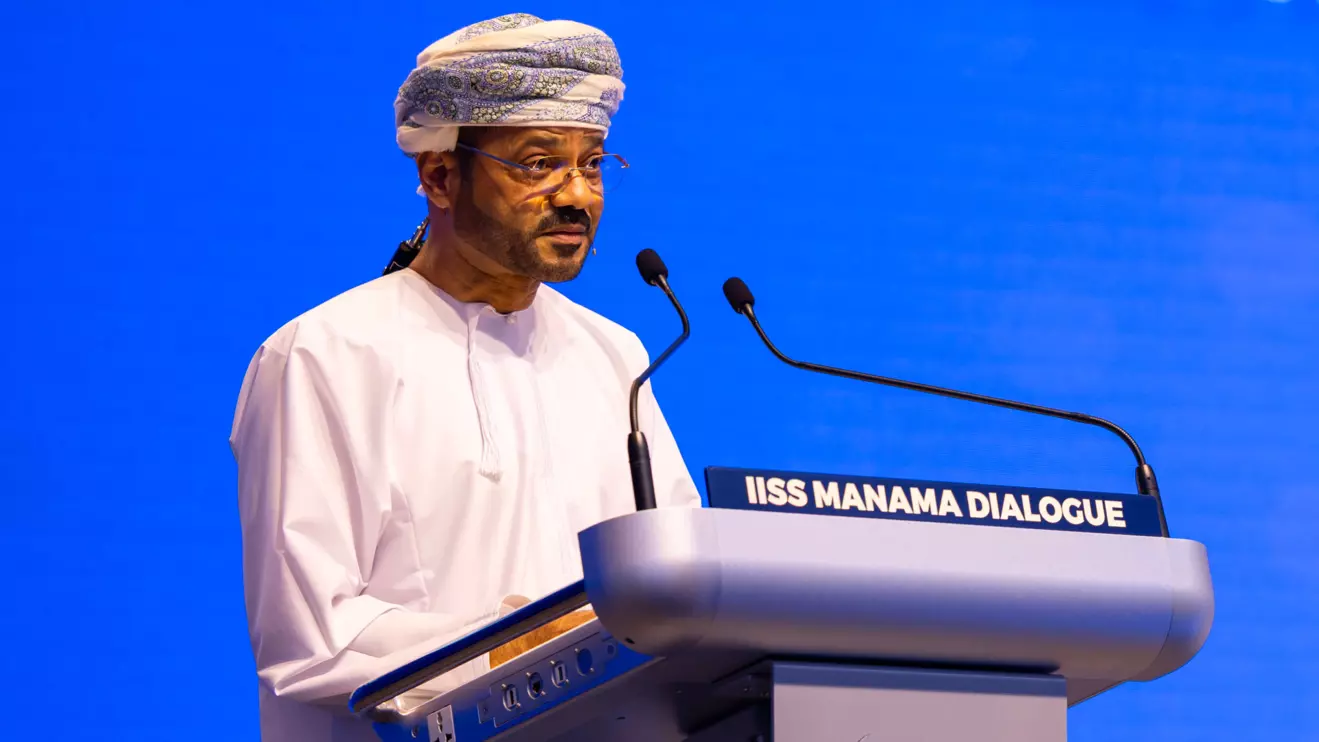
The 21st edition of the IISS Manama Dialogue, the Middle East’s premier security and strategic affairs summit, concluded this weekend after three days of high-level exchanges, policy debates, and behind-the-scenes diplomacy.
Held from 31 October to 2 November 2025, the conference was once again hosted in Manama, the capital of Bahrain, and organized by the International Institute for Strategic Studies (IISS).
The forum brought together senior government officials, diplomats, defense chiefs, and policy experts from across the globe — with notable delegations from the United States, Jordan, Saudi Arabia, Oman, Lebanon, Syria, Bahrain, Egypt, the UK, and various European and Asian powers.
Since its inception in 2004, the Manama Dialogue has served as a crucial platform for Middle Eastern and international leaders to address pressing issues related to regional security, geopolitical tensions, and international cooperation. The 2025 edition was no exception, with sessions focusing on:
- The war in Gaza and its regional reverberations
- Iran’s regional influence and nuclear trajectory
- Maritime security in the Gulf and Red Sea
- The evolving role of great powers in the Middle East
- Artificial intelligence and cybersecurity threats
- Prospects for regional economic integration and climate resilience
In parallel to the public sessions, the Manama Dialogue is known for its closed-door bilateral and multilateral meetings, often serving as a discreet venue for conflict resolution, diplomatic outreach, and intelligence sharing.
The IISS Manama Dialogue continues to reinforce Bahrain’s role as a diplomatic hub in the Middle East. With the region facing a complex set of interrelated challenges — from military conflicts and proxy wars to climate change and energy transitions — forums like this are more relevant than ever.
“The Manama Dialogue is not just a conference; it’s a catalyst for dialogue, a platform for negotiation, and a mirror of regional realities,” said IISS Executive Director Dr. John Chipman in his closing remarks.
As the curtain falls on the 21st edition, attention now turns to whether the ideas discussed will translate into policy, and whether diplomacy can keep pace with the rapid shifts defining the Middle East in 2025.