
Iran
Liberation is not a slogan. It is a set of decisions
Seven months into this war, the Islamic Republic is in the tightest corner of its forty-seven years. That is not cheerleading; it is arithmetic.

Cyprus assumed the European Union's rotating presidency on Wednesday, marking a moment of significant strategic importance that extends far beyond the ceremonial aspects of this six-month mandate.
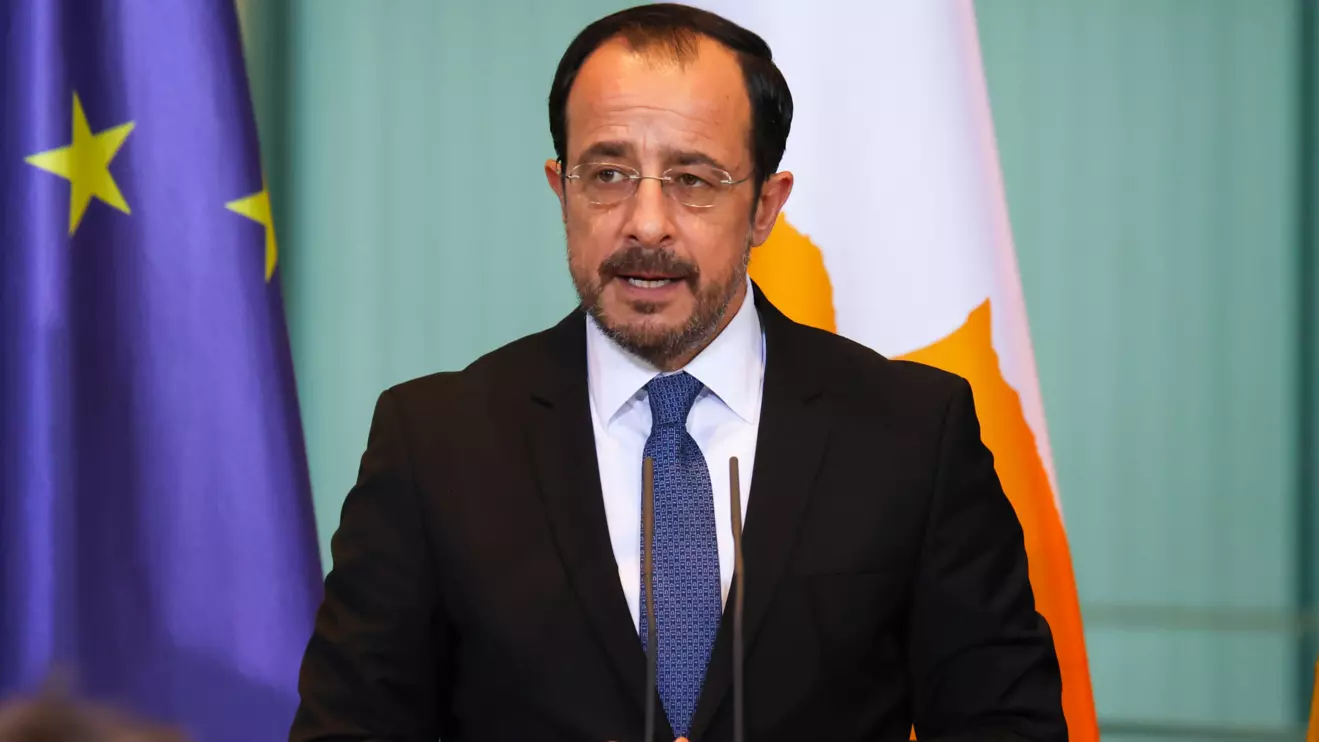
Nikos Christodoulides © Mena Today
Cyprus assumed the European Union's rotating presidency on Wednesday, marking a moment of significant strategic importance that extends far beyond the ceremonial aspects of this six-month mandate.
For President Nikos Christodoulides and his government, this presidency represents a unique opportunity to leverage Cyprus's pivotal geographical position and diplomatic acumen on the international stage.
President Christodoulides has masterfully cultivated a strategic position in the Middle East that few EU member states can rival.
His administration maintains excellent relations with both Israel and Lebanon, a diplomatic balancing act that demonstrates remarkable finesse in one of the world's most volatile regions.
The reception of Lebanese President Joseph Aoun in Nicosia today underscores Cyprus's role as a crucial intermediary and trusted partner in Mediterranean affairs.
This diplomatic prowess has translated into concrete strategic partnerships. The recent military alliance forged between Cyprus, Greece, and Israel represents a significant geopolitical realignment in the Eastern Mediterranean.
The upcoming joint military exercises in the Mediterranean are not merely routine maneuvers but a clear demonstration of coordinated security cooperation that enhances regional stability while sending unmistakable signals about collective defense capabilities.
The Turkish Shadow
Yet Cyprus's EU presidency unfolds under the persistent shadow of Turkey's occupation of the northern part of the island—a reality that Cypriot authorities monitor with unwavering vigilance. For over four decades, Turkey has maintained its military presence in northern Cyprus, creating what the international community largely regards as an illegally occupied territory.
The so-called "Turkish Republic of Northern Cyprus" remains recognized only by Ankara, a puppet state that serves Turkish strategic interests while dividing the island and its people.
Cypriot leaders have every reason to view their northern neighbor with profound mistrust. Turkey's increasingly assertive posture in the Eastern Mediterranean, from unauthorized drilling activities in Cyprus's exclusive economic zone to aggressive naval deployments, demonstrates Ankara's continued disregard for international law and Cypriot sovereignty.
The Christodoulides government's vigilance is not paranoia but prudent statecraft in the face of ongoing Turkish provocations.
The recent election of a new president in the Turkish-controlled north has sparked cautious speculation about potential renewed dialogue. However, seasoned observers of the Cyprus issue understand that Ankara shows no genuine willingness to compromise.
Turkey's maximalist positions, demanding recognition of the breakaway territory and insisting on maintaining troops on the island, remain fundamentally incompatible with any just and lasting settlement.
Christodoulides and his team understand this reality. They approach any potential negotiations with appropriate skepticism, having witnessed decades of Turkish intransigence and broken promises. The Cypriot leadership's measured response to these developments reflects political maturity and a refusal to be swayed by false hope.
More Than Symbolic
For Cyprus, this EU presidency is far more than a symbolic honor—it is a platform to advance the island's legitimate interests and showcase its strategic value to Europe.
The Christodoulides administration has demonstrated that small nations can wield outsized diplomatic influence through skillful leadership and strategic positioning.
As Cyprus guides the EU's agenda over the coming months, European leaders would do well to recognize and support the island's precarious position.
The Cypriot government's sophisticated understanding of Middle Eastern dynamics, its commitment to regional stability, and its steadfast defense of sovereignty in the face of Turkish aggression represent valuable assets to the entire European Union.
President Christodoulides and his government have earned this moment. Their presidency offers Europe an opportunity to benefit from Cyprus's unique perspective while demonstrating solidarity with a member state that continues to defend European values and territorial integrity against an increasingly unpredictable neighbor.
The question is whether Brussels will fully embrace this opportunity or squander it through diplomatic timidity.
Seven months into this war, the Islamic Republic is in the tightest corner of its forty-seven years. That is not cheerleading; it is arithmetic.
The mayor of Izmir, Turkey's third-largest city and a bastion of its secular opposition, joined President Tayyip Erdogan's ruling AK Party (AKP) on Wednesday, giving it the mayoralty of a city it has never won at the ballot box.
Canadian Prime Minister Mark Carney will travel to Ankara and Istanbul from October 21 to 23, his office said on Tuesday, in what will be the first dedicated bilateral visit to NATO ally Turkey by a Canadian leader.
To make this website run properly and to improve your experience, we use cookies. For more detailed information, please check our Cookie Policy.
Necessary cookies enable core functionality. The website cannot function properly without these cookies, and can only be disabled by changing your browser preferences.