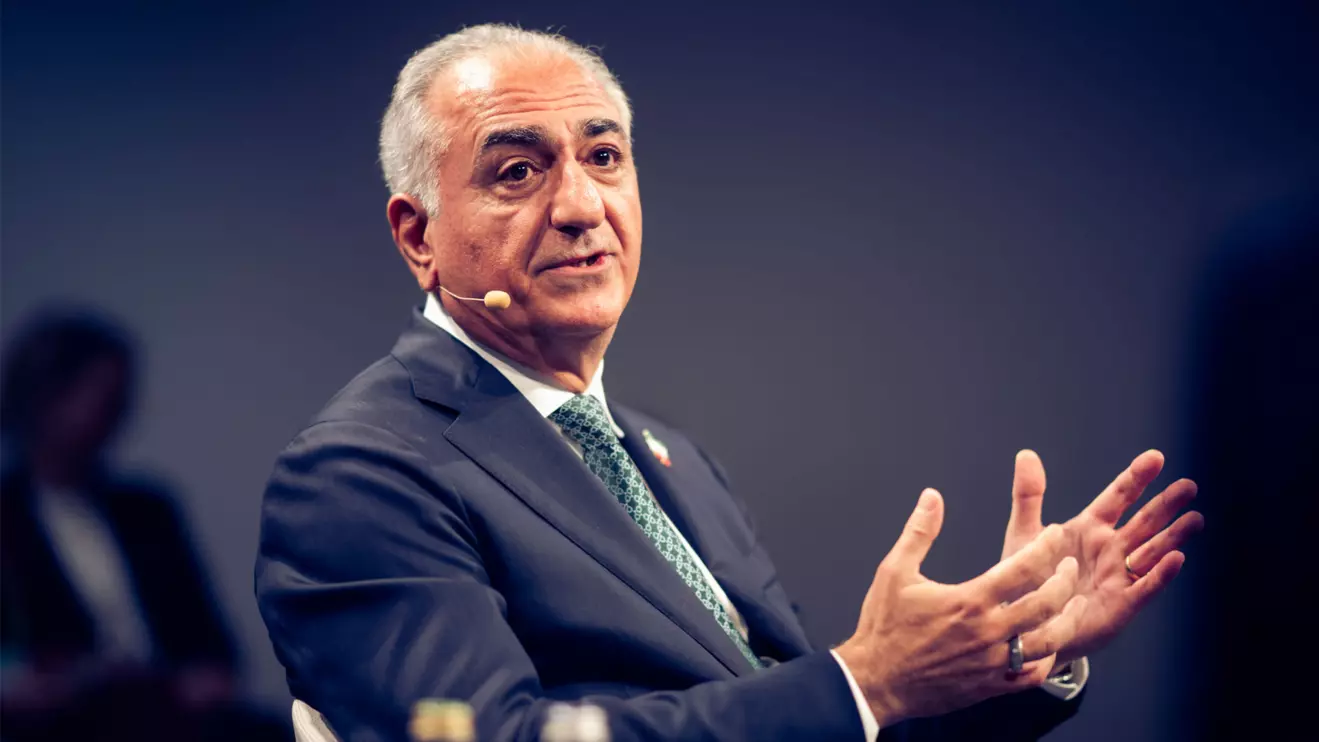
Iranian opposition figure Reza Pahlavi on Saturday said U.S. military intervention in Iran could save lives and urged President Donald Trump's administration not to spend too long negotiating with Tehran's clerical rulers on a nuclear deal.
The exiled son of Iran's toppled shah told Reuters in an interview that there were signs that the Iranian government was on the brink of collapse and that an attack could weaken it or accelerate its fall.
Pahlavi was speaking on the sidelines of the Munich Security Conference, where officials from the Iranian government are banned.
"It's a matter of time. We are hoping that this attack will expedite the process and the people can be finally back in the streets and take it all the way to the ultimate regime's downfall," said Pahlavi, who is based in the United States and has lived outside Iran since before his father was toppled in the 1979 Islamic Revolution.
A campaign of mass arrests and intimidation has led to the arrests of thousands as Iranian authorities seek to deter further protests after last month's crackdown on the bloodiest unrest since 1979. The protests began on December 28 as a modest demonstration in Tehran’s Grand Bazaar over economic hardship and quickly spread nationwide.
TRUMP HAS QUESTIONED LEVEL OF SUPPORT FOR PAHLAVI
Iran's opposition is fragmented among rival groups and ideological factions - including the monarchists who back Pahlavi - and appears to have little organized presence inside the Islamic Republic. In an interview with Reuters last month, Trump sounded skeptical about the level of Pahlavi's support inside Iran.
The Trump administration has engaged with Iran to see if a nuclear deal can be struck as Washington amassed military forces in the region. U.S. and Iranian diplomats held talks in Oman last week and further talks in the coming week are expected.
"People are hoping that at some point the decision will be made that there's no use, there's no point, we're not going to get anywhere with negotiations. Therefore, that's time for the United States to intervene and do what President Trump promised he will do, to have the people's back," Pahlavi said.
"Intervention is a way to save lives," he added.
On Friday, in a speech to U.S. troops in North Carolina, Trump said Iran has been difficult in nuclear negotiations and suggested that instilling fear in Tehran may be necessary to resolve the standoff peacefully.
Two U.S. officials speaking on the condition of anonymity told Reuters on Friday that the U.S. military was preparing for the possibility of a sustained, weeks-long operation against Iran if Trump ordered an attack.