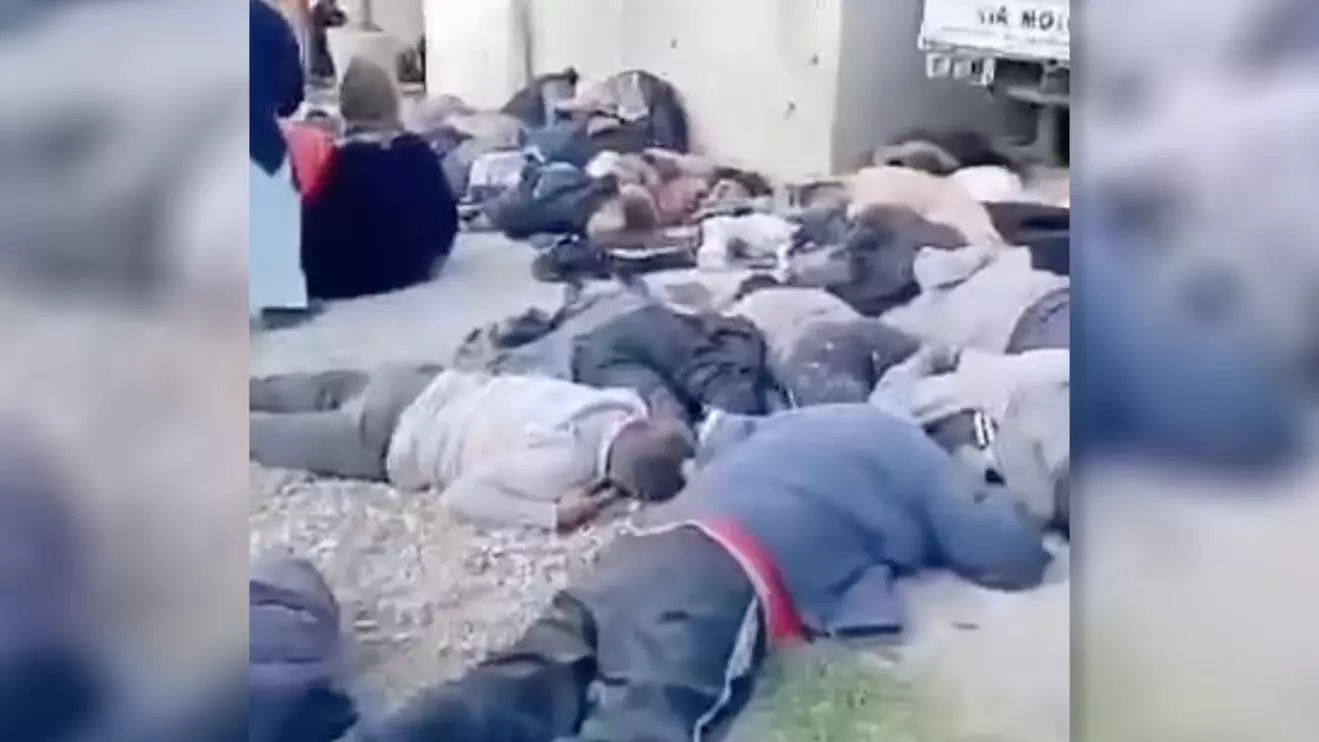
The Syrian Observatory for Human Rights reported on Saturday that more than 300 Alawite civilians have been killed since Thursday by Syrian security forces and allied groups during sweeping operations and clashes in the western part of the country.
According to the NGO, "311 Alawite civilians in the coastal region (...) were killed by security forces and allied groups." These casualties bring the total death toll since Thursday to 524, including 213 members of security forces and allied groups, the report states.
Syria Under Islamist Rule
Since December, Syria has been under the control of Islamist factions, with Ahmed al-Sharaa, a former Islamic State operative, appointed as the country’s leader. The rise of this Islamist regime has led to widespread persecution of minorities, including Alawites, Druze, Kurds, and Christians.
Despite the grave human rights abuses, some Arab regimes and Western countries, including France and Spain, have recklessly considered initiating dialogue with al-Sharaa. This diplomatic approach is a serious mistake that risks legitimizing an extremist and authoritarian government.
Even more concerning, the European Union has expressed willingness to lift certain sanctions on Syria, a move that could further embolden the Islamist authorities. The international community’s response has been deeply flawed, underestimating the regime’s violent crackdown on minorities and dissidents.
No Dialogue Without a Civilian and Inclusive Government
The Islamist totalitarian rule in Syria has made it clear that dialogue is not a viable option. As long as a civilian government representing all communities is not established, any negotiation with the current regime is futile and dangerous. The international community must reassess its approach and prioritize protecting vulnerable populations rather than engaging with a regime that systematically represses minorities.
If left unchecked, Syria’s descent into further extremism will not only destabilize the region but also pose a broader security threat. The world must act before it is too late.