Iran
Trump downplays duration of renewed Iran strikes
President Donald Trump said on Wednesday that the renewed U.S. campaign against Iran would not continue for "too long" after the biggest exchange of fire between Tehran and Washington since July.

Iran said on Friday it was looking for actions, not words from the United States after sources said President Donald Trump was weighing an initial U.S.-Iranian agreement to extend a ceasefire and open the Strait of Hormuz.
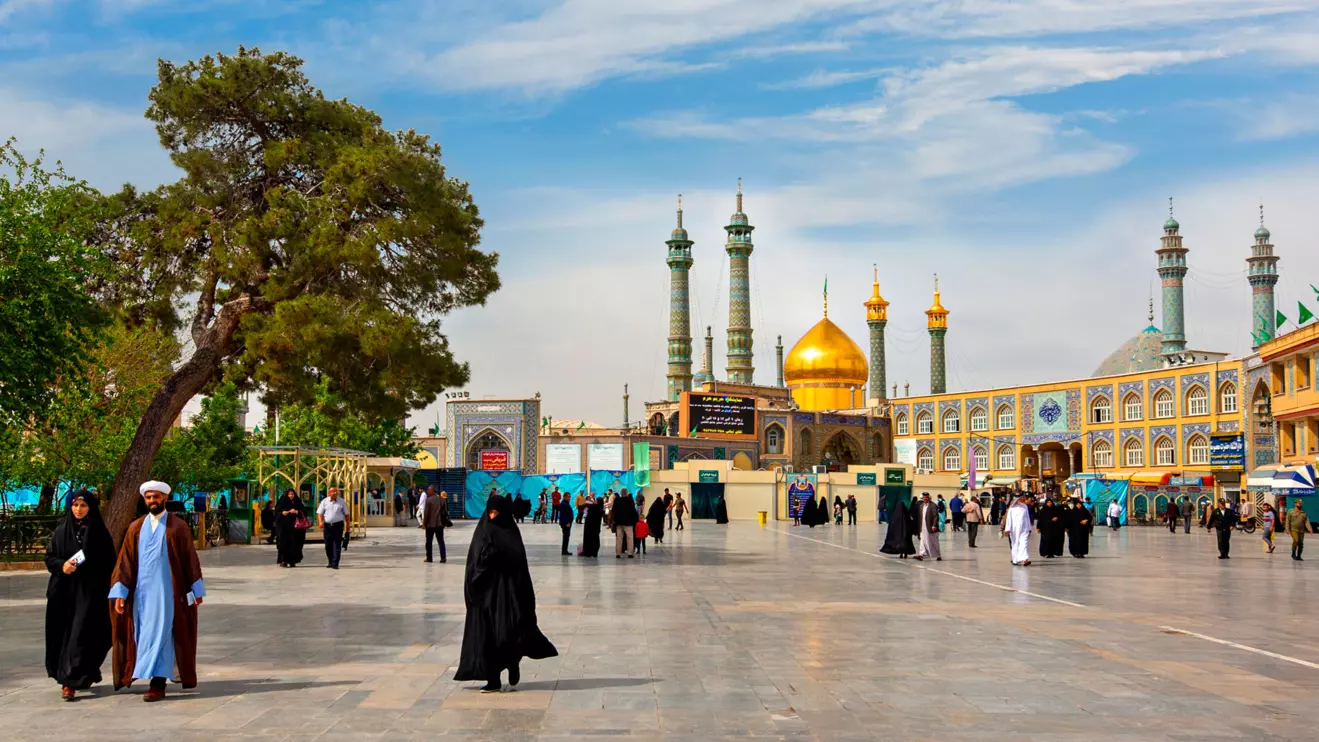
Iran has called for sanctions to be lifted, foreign assets to be unfrozen and U.S. forces to be withdrawn from the region © Mena Today
Iran said on Friday it was looking for actions, not words from the United States after sources said President Donald Trump was weighing an initial U.S.-Iranian agreement to extend a ceasefire and open the Strait of Hormuz.
The comments by Iran's top negotiator, Mohammad Baqer Qalibaf, were in line with previous defiant statements from Iran but added to questions over how such an agreement might unfold.
According to four sources familiar with the matter, a deal would extend the truce in place since early April for 60 days and allow oil and gas shipments through the strategic waterway while negotiators tackle difficult issues such as Iran's nuclear program.
Trump has not yet approved the deal, the sources said, and Iran's Tasnim news agency reiterated that the text had not been finalized, adding that it had undergone changes in recent days.
"We do not trust guarantees and words, only actions are the criterion. No action will be taken before the other side acts," Qalibaf said in a social media post.
"The winner of any agreement is the one who is better prepared for war the day after."
OIL FALLS ON HOPES FOR A DEAL
The conflict launched by the U.S. and Israel on Iran on February 28 has killed thousands of people, mainly in Iran and Lebanon, and caused global economic pain by pushing up energy prices due to Iran's effective closure of the Strait of Hormuz to energy shipments.
Oil futures fell 2% on Friday and were on track for their steepest weekly decline since early April on the reports of a potential deal, which, if approved by Trump and leaders in Iran, would be the war's biggest step towards peace.
The foreign minister of mediator Pakistan, Ishaq Dar, arrived in Washington on Friday for talks with U.S. Secretary of State Marco Rubio that were expected to include the latest developments in the negotiations.
The sources said on Thursday that a deal would specify unrestricted shipping through the strait and would require the U.S. also lift its blockade of Iranian ports. The U.S. would also lift some sanctions on Iranian oil sales.
Washington imposed sanctions on some more vessels linked to Iran's oil trade on Thursday and said it would stop Iran's airlines from refuelling.
Trump has repeatedly said an end to the war is close since mid-March, though the two sides have shown little public movement toward common ground.
Iran has called for sanctions to be lifted, foreign assets to be unfrozen and U.S. forces to be withdrawn from the region. Washington has called for Iran to dismantle its nuclear program, which Tehran says is for peaceful purposes.
Iran says any peace deal must also end U.S. ally Israel's attacks in Lebanon, but that conflict shows no signs of flagging.
Israel has displaced hundreds of thousands of people with a push deep into Lebanon in pursuit of Iran's main ally, Hezbollah.
The most urgent issue is the freeing of traffic in the Strait of Hormuz, which carried a fifth of global oil and liquefied natural gas (LNG) shipments before the conflict.
No oil tankers transited the strait in the past 24 hours although a Chinese-flagged vehicle carrier did cross, MarineTraffic data, which captures only vessels actively broadcasting their positions, showed at 1200 GMT on Friday.
Several supertankers and LNG carriers departed earlier this week.
Iranian state television said 24 vessels had passed through the strait in the past 24 hours, reiterating that none would transit without authorisation from Iran's Revolutionary Guards.
By Jonathan Landay, Steve Holland and Yomna Ehab
President Donald Trump said on Wednesday that the renewed U.S. campaign against Iran would not continue for "too long" after the biggest exchange of fire between Tehran and Washington since July.
Top aides to President Donald Trump are pushing to keep the Iran war from escalating before November's midterm elections to staunch Republican electoral losses, four people familiar with the discussions said, a strategy already under strain as the U.S. and Iran exchanged back-and-forth attacks overnight.
Russia has secretly helped Iran develop advanced supersonic cruise missiles, in what the Financial Times describes as one of the most significant known transfers of strategic military technology from Moscow to Tehran, according to an investigation published Wednesday.

To make this website run properly and to improve your experience, we use cookies. For more detailed information, please check our Cookie Policy.
Necessary cookies enable core functionality. The website cannot function properly without these cookies, and can only be disabled by changing your browser preferences.