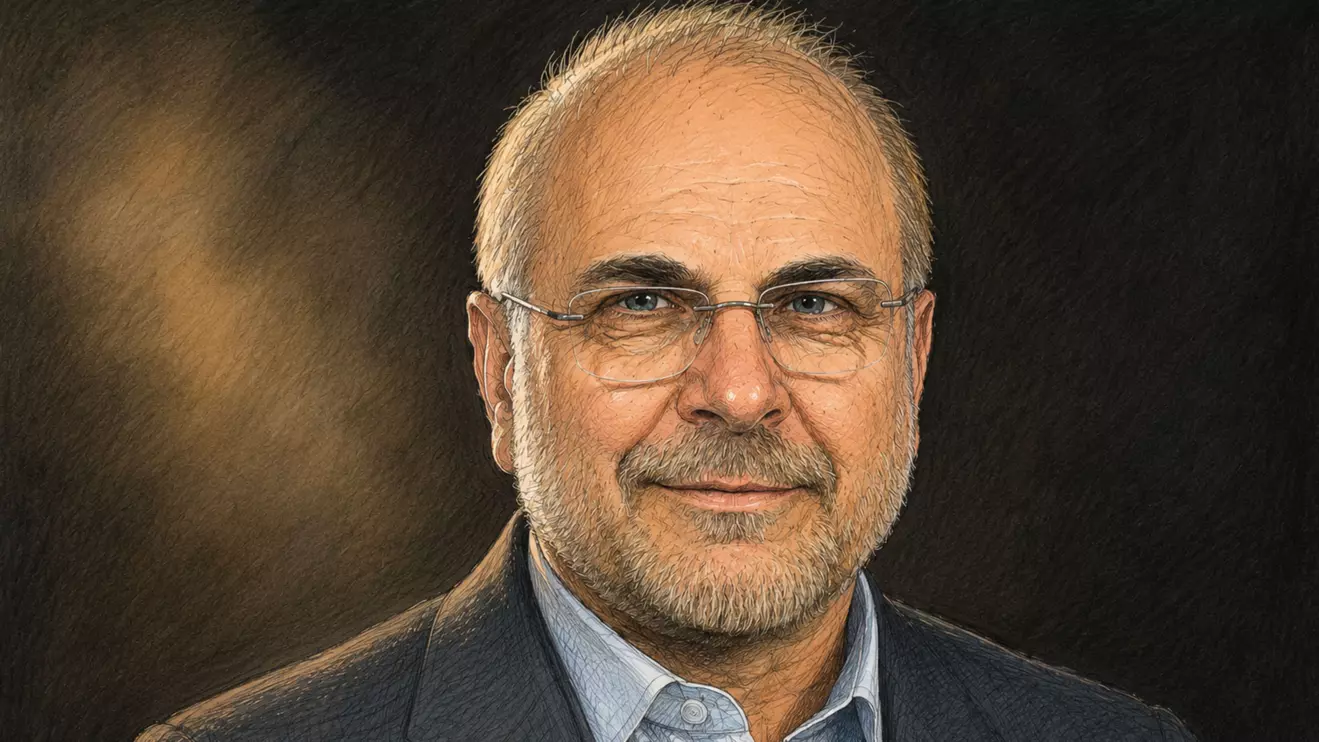
Iran's chief nuclear negotiator and Parliament Speaker Mohammad Baqer Qalibaf called Thursday on all Iranians to attend the funeral of Supreme Leader Ali Khamenei, killed in Israeli-American strikes in late February, using the occasion to issue a call for revenge.
"I invite the entire Iranian people to write a glorious page in the history of Islamic Iran by your presence," Ghalibaf declared, adding that "the nation's call for vengeance must resound in the ears of the entire world."
The words are vintage Qalibaf, the man his own people have nicknamed "the Butcher of Tehran" for his role in violently suppressing pro-democracy protests during his tenure as Tehran's police chief. A regime that crushes its own citizens in the streets, executes dissidents, imprisons journalists and holds its population hostage to a theocratic ideology now calls on those same citizens to mourn and avenge their oppressor.
Khamenei led the Islamic Republic for over three decades, a reign marked by the systematic suppression of women's rights, the execution of thousands of political prisoners, the export of terrorism through proxy militias from Lebanon to Yemen, and the deliberate impoverishment of the Iranian people in pursuit of nuclear ambitions and regional hegemony.
The call for vengeance from a regime that has spent 46 years brutalising its own people deserves to be seen for what it is: not a cry of grief, but a tool of political mobilisation by a theocracy fighting for its survival.