Iraq
How Iraq could become Washington's model for squeezing Iran
Iraq could serve as an example of how the United States could carry out its threat to force countries that continue trading with Iran out of the dollar-based financial system.
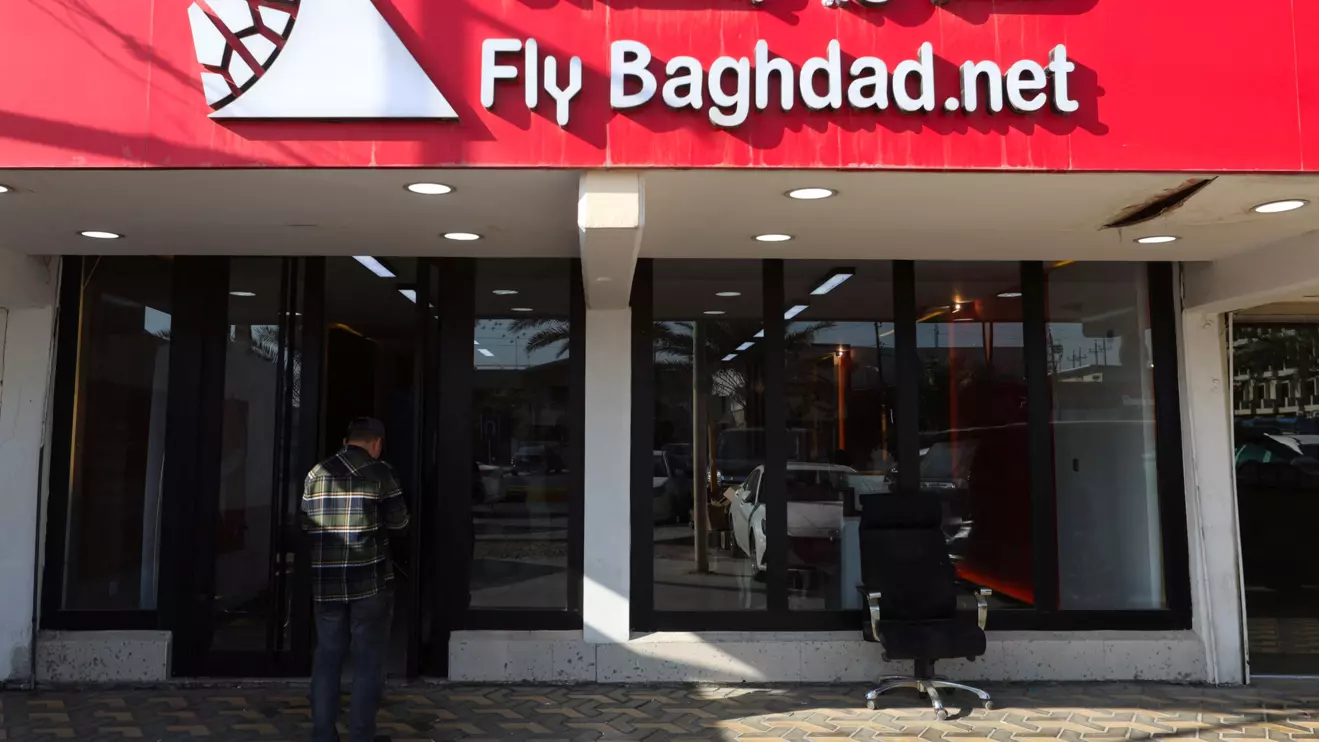
The U.S. Treasury said on Wednesday it had removed counter-terrorism sanctions from Iraq's Fly Baghdad Airlines and two aircraft that were imposed in 2024 over links to Iran's Islamic Revolutionary Guard Corps Quds Force, citing changes in the airline's behavior.
A man stands outside the office of Fly Baghdad airline, in Baghdad, Iraq January 23, 2024. Reuters/Ahmed Saad
The U.S. Treasury said on Wednesday it had removed counter-terrorism sanctions from Iraq's Fly Baghdad Airlines and two aircraft that were imposed in 2024 over links to Iran's Islamic Revolutionary Guard Corps Quds Force, citing changes in the airline's behavior.
A Treasury official said that the move was not indicative of any shift in U.S. policy towards Iran's government, the Islamic Revolutionary Guards or any organization designated as terrorist and was unrelated to U.S. negotiations with Iran over a possible deal to end hostilities in the Gulf.
The removal of Fly Baghdad Airlines Co (FBA), Iraq Express and two Boeing 737 aircraft from the Treasury's Specially Designated Nationals list was part of the Office of Foreign Assets Control's process to reconsider sanctions after behavior changes, the official said.
"FBA has demonstrated major changes to their operations such that their listing is no longer warranted," the official said. "They have addressed sanctionable conduct."
No details were provided on the specific FBA changes that warranted the lifting of sanctions, and the official said that sanctions could be reimposed at any time.
Reporting by Daphne Psaledakis, Ismail Shakil and David Lawder
Iraq could serve as an example of how the United States could carry out its threat to force countries that continue trading with Iran out of the dollar-based financial system.
U.S. Treasury Secretary Scott Bessent announced what his department called "an economic onslaught" against Iran on Monday that combined new sanctions with threats against Tehran's trading partners.
Israeli Prime Minister Benjamin Netanyahu said on Monday that Iran had tried to kill one of his sons, but gave no details about when the alleged plot took place, which son was targeted or how close it came to being carried out.
To make this website run properly and to improve your experience, we use cookies. For more detailed information, please check our Cookie Policy.
Necessary cookies enable core functionality. The website cannot function properly without these cookies, and can only be disabled by changing your browser preferences.