Iran
Liberation is not a slogan. It is a set of decisions
Seven months into this war, the Islamic Republic is in the tightest corner of its forty-seven years. That is not cheerleading; it is arithmetic.

The decision by the United States to lift sanctions on Syria marks a major political shift and offers a rare opportunity for a country shattered by more than a decade of war to begin rebuilding.
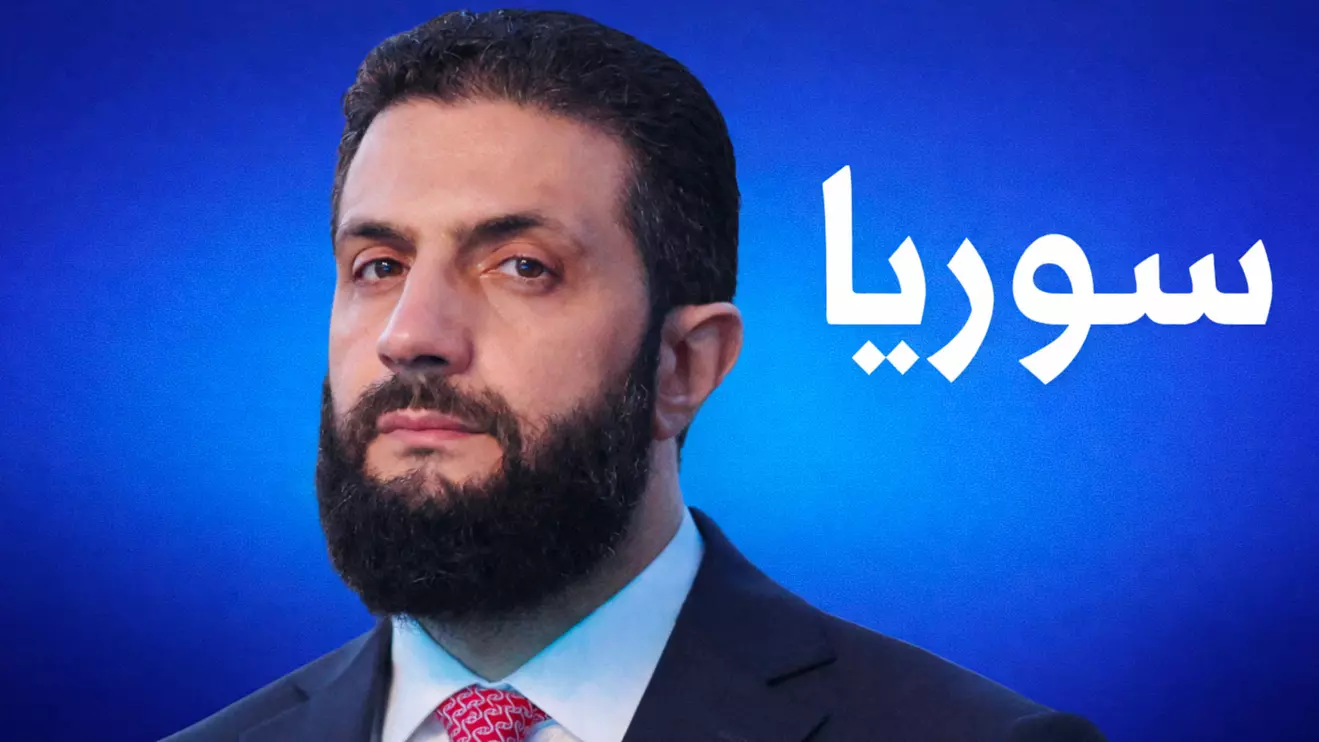
Ahmed al-Sharaa © Mena Today
The decision by the United States to lift sanctions on Syria marks a major political shift and offers a rare opportunity for a country shattered by more than a decade of war to begin rebuilding.
The repeal of the Caesar Act, approved by the U.S. Congress, removes Syria from near-total financial isolation and opens the door to investment, reconstruction, and international engagement.
On paper, this is good news. Syria’s infrastructure is in ruins, its economy devastated, and millions of citizens remain displaced. Any serious prospect of reconstruction requires access to global finance and trade. Ending sanctions is therefore a necessary step.
But it is far from sufficient, and it should not be unconditional.
The interim president, Ahmed al-Sharaa, comes from an Islamist background he has never clearly renounced. Most of the country’s new power brokers are drawn from the same ideological current, with only a handful of secular figures included for balance. This raises legitimate concerns about the direction the country may take.
Syria today does not have a unified national army. Instead, it is fragmented into multiple militias, some with extremist roots, now rebranded as “security forces.”
The new authorities have also failed, or chosen not, to prevent deadly violence against minorities, notably Alawites and Druze. These events cannot be dismissed as isolated incidents.
Social signals are equally troubling. In cities such as Damascus and Aleppo, the growing visibility of religious conservatism, including the increasing number of veiled women, reflects a broader ideological shift.
While the government highlights public Christmas celebrations to reassure foreign audiences, many Christians remain deeply wary of Islamist rule.
Against this backdrop, the United States and its partners must remain vigilant. Lifting sanctions should not mean lowering standards.
Damascus must be held to clear expectations: respect for democratic principles, genuine religious freedom, protection of minorities, and credible control over armed groups. Ensuring stability along Syria’s border with Israel is another non-negotiable requirement.
The fall of Bashar al-Assad in December 2024 closed a dark chapter in Syria’s history. It does not, by itself, guarantee a better one.
Reconstruction should go hand in hand with accountability. Engagement must be matched with pressure. And optimism, however understandable, must be tempered by realism.
The coming months will be decisive in determining whether Syria is moving toward stability and pluralism, or merely replacing one form of authoritarianism with another.
Seven months into this war, the Islamic Republic is in the tightest corner of its forty-seven years. That is not cheerleading; it is arithmetic.
Qatar, Jordan and Kuwait on Sunday condemned Israel's completion of work on the so-called "Sufa 53 Line" in Syria's Quneitra province. The three states said the project violates Syrian sovereignty, international law and the 1974 Disengagement Agreement.
Jordan's King Abdullah II spoke by phone Friday with US Secretary of State Marco Rubio, discussing Lebanon, including the framework agreement between Beirut and Israel signed in late June and the disarmament of Hezbollah, according to official US and Jordanian statements.
To make this website run properly and to improve your experience, we use cookies. For more detailed information, please check our Cookie Policy.
Necessary cookies enable core functionality. The website cannot function properly without these cookies, and can only be disabled by changing your browser preferences.