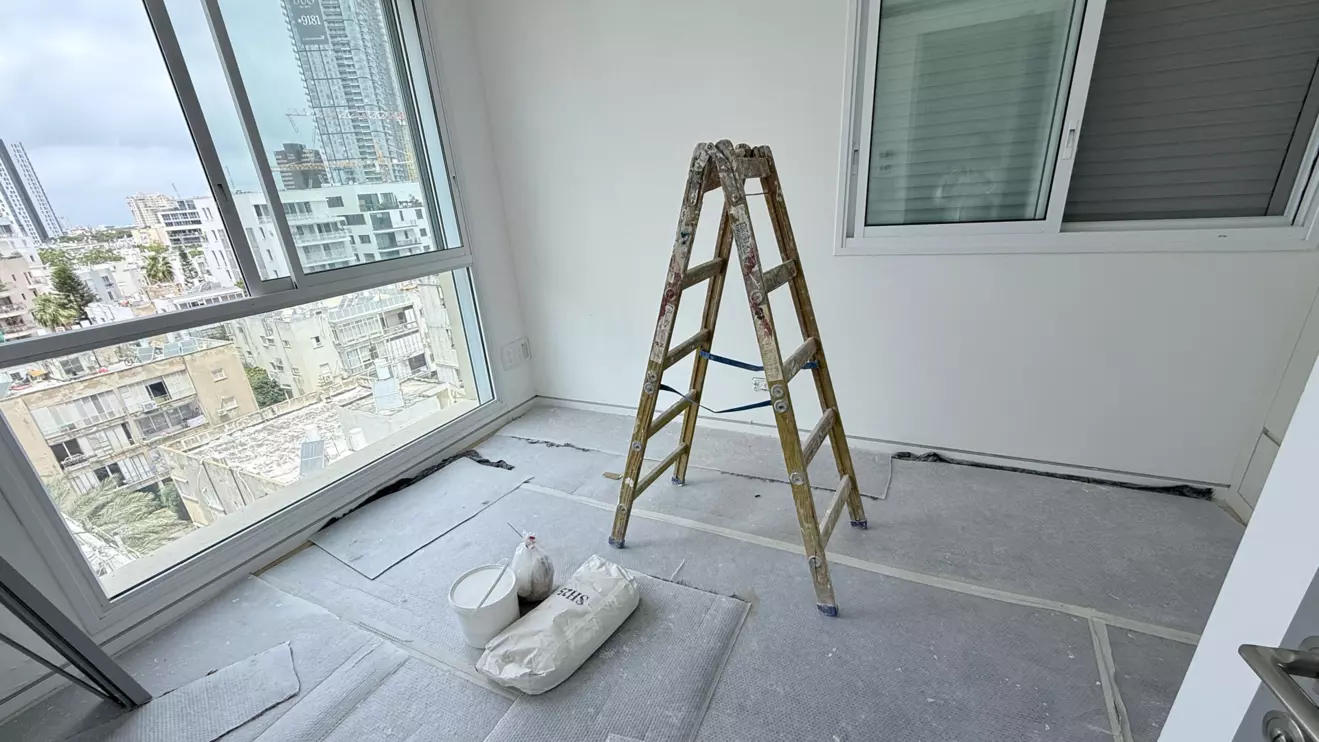
For years, Tel Aviv's property developers operated with the quiet confidence of people who believed they had invented real estate.
Apartments of decidedly mediocre quality, thin walls, cramped layouts, questionable finishes, were marketed at prices exceeding €35,000 per square metre. Monaco on the Mediterranean. Paris on the Yarkon. London, but with hummus.
The market believed its own press releases. It shouldn't have.
Transactions have ground to a halt. Complexes of hundreds of unsold apartments sit like expensive monuments to overconfidence. The numbers are catastrophic. And yet, in a display of collective denial that would impress a therapist, nobody wants to lower prices.
Individual owners, convinced they are sitting on a goldmine, refuse to budge. Developers, heavily indebted and staring at balance sheets that would make an accountant weep, are holding the line. Their one concession to market reality? Doubling the commission offered to brokers. According to YNet, that is apparently the extent of their strategic rethinking.
The shekel problem nobody wanted
As if the domestic situation were not grim enough, the shekel is at a multi-year high. For foreign buyers and international investors, historically a key pillar of Tel Aviv's premium property market, this translates into an effective 30% surcharge on an already eye-watering price tag.
The result is predictable. International buyers are doing the maths and walking away.
Reality, meet market
The regional geopolitical situation is not helping. Uncertainty, conflict and instability are not, as it turns out, great selling points for a seven-figure apartment purchase.
Tel Aviv's property market spent years pretending the laws of economics did not apply to it. Supply and demand, price elasticity, buyer sentiment, quaint concepts for lesser cities. Not here.
Well. Here we are.
The correction has arrived. The only question now is how long developers can hold their breath, and how long owners can pretend the goldmine is still producing.