Iranian chief negotiator Mohammad Bagher Qalibaf declared this week that the United States and Iran would jointly "guarantee Lebanon's unity and the integrity of its territories."
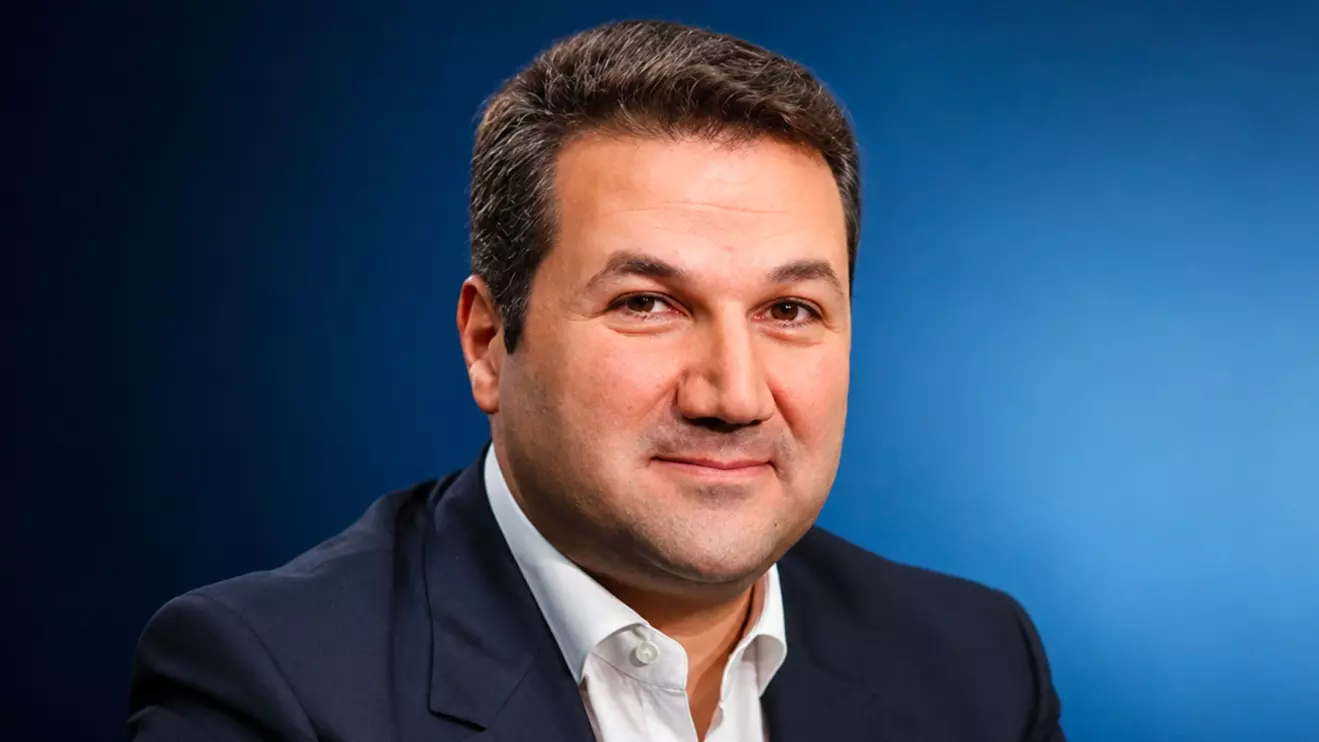
The statement triggered an immediate and furious response from Lebanese MP Nadim Gemayel, son of assassinated president-elect Bachir Gemayel.
"Who gave Iran the right to speak on behalf of Lebanon in the first place?" Gemayel wrote Tuesday on X, in remarks that resonated deeply across Lebanon's sovereigntist political spectrum.
The Kataeb MP's message was unambiguous and unsparing: "Lebanon's unity is not guaranteed by Tehran, the safety of its lands is not decided in Switzerland, and its sovereignty is not a bargaining chip between two foreign powers."
Gemayel's post cuts to the heart of what many Lebanese find deeply troubling about the US-Iran framework: the spectacle of two foreign powers, one of which has spent four decades arming and directing Hezbollah on Lebanese soil, presuming to guarantee Lebanon's territorial integrity in a Swiss hotel, without Lebanese consent and without Lebanese representation at the table.
"If the Lebanese state respects itself," Gemayel wrote, "it must clearly declare that Lebanon is not an Iranian file and not a negotiation arena for anyone."
A Logical Contradiction
The MP also exposed what he described as a fundamental contradiction: if Washington and Tehran are deciding Lebanon's fate in Switzerland, what is the point of Lebanon's own direct negotiations with Israel in Washington regarding the south, security arrangements and border demarcations?
Either Lebanon is a sovereign state conducting its own diplomacy, or it is an Iranian file being traded between great powers. It cannot be both.
For Nadim Gemayel, the son of a man killed precisely because he dared to assert Lebanese sovereignty against foreign interference, the answer is clear. Lebanon must speak for itself, or risk losing the right to speak at all.