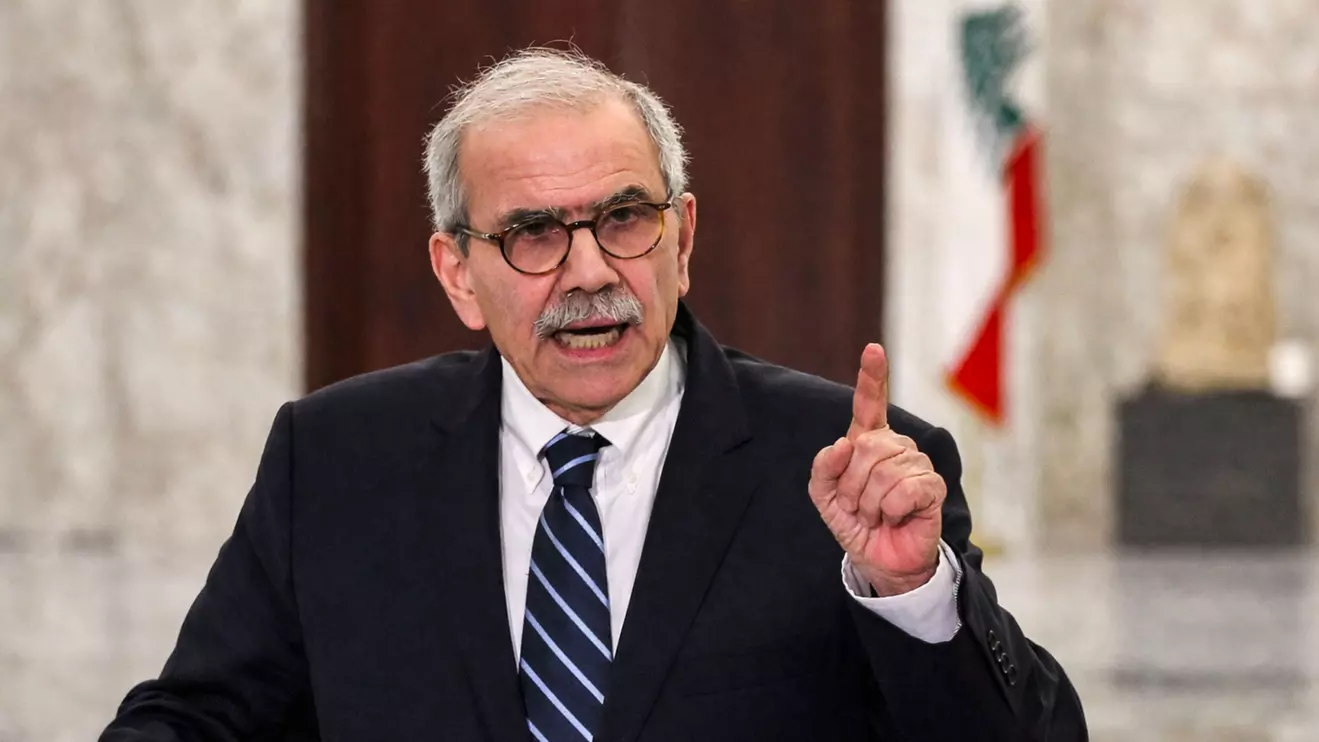
One month into the resumption of open warfare between Hezbollah and Israel, Lebanese Prime Minister Nawaf Salam delivered a frank admission: his government is intensifying diplomatic efforts to end the fighting, but the war goes on.
"One month has elapsed since a devastating war, against which we had warned and which most Lebanese feared, a war that has been imposed on our country," Salam said following a cabinet session.
The Lebanese front opened on March 2, when Hezbollah fired rockets into Israel three days after the outbreak of the broader Iran-U.S.-Israel conflict. Since then, the group has continued daily attacks from southern Lebanon, despite the Lebanese government having formally declared all Hezbollah military activity illegal.
More damning still: some of these attacks have been claimed as "joint and simultaneous military operations with the Revolutionary Guards », a formulation Salam said "further entrenches the intertwining of the conflict on our soil with the wars of others, in which we have no national interest whatsoever."
The cabinet has taken measures against Iranian diplomats and Revolutionary Guards operatives in Lebanon. It expelled - or tried to expel - Iran's ambassador Shibani, giving him until March 29 to leave. He is still there. The ultimatum, like so many Lebanese government decisions, remained a dead letter.
Lebanon has a government that speaks with clarity. It has a militia that answers to Tehran and ignores it entirely. One month in, that gap has never been more painfully visible.