US Vice President JD Vance expressed hope Sunday for "a new chapter" in relations with Iran as talks opened in Switzerland to finalise a memorandum of understanding already showing cracks just four days after its signing, strained by continued fighting in Lebanon and a fresh warning from Donald Trump that Tehran must prevent Hezbollah from "causing trouble."
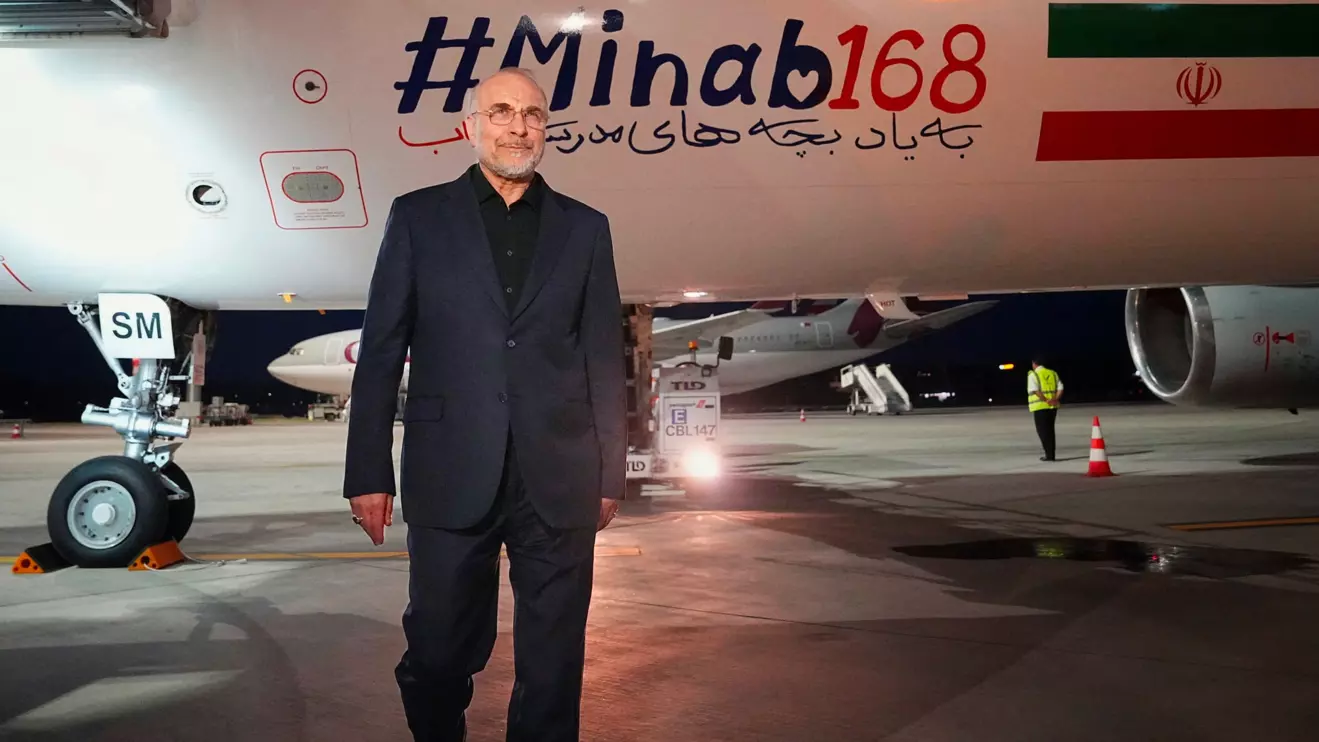
That warning drew a sharp rebuke from one of Iran's chief negotiators, Parliament Speaker Mohammad Bagher Ghalibaf, who called on the United States to "weigh its words."
It is worth pausing on exactly who is delivering that lecture.
Mohammad Bagher Ghalibaf is no ordinary diplomat. As Tehran's police chief during the brutal crackdown on pro-democracy protests in 2003, and later as a senior Revolutionary Guard commander, Ghalibaf has long carried the nickname "the Butcher of Tehran" among Iranian dissidents and human rights observers, a reputation earned through his role in suppressing demonstrations with a level of violence that left dozens of Iranian civilians dead and thousands more injured or imprisoned.
This is the same figure now positioned at the heart of Iran's diplomatic outreach to Washington, demanding that the United States "weigh its words" while showing no comparable restraint in his own rhetoric toward Tehran's neighbours and adversaries.
Forty-Four Years of Hezbollah
Ghalibaf's indignation rings particularly hollow given Iran's documented role in the region's instability.
Since 1982, the Islamic Republic has built, armed, financed and trained Hezbollah, a militia that has dragged Lebanon into the worst political and economic crisis in its modern history. Hezbollah's continued military activity, in direct defiance of the very ceasefire framework Iran just signed onto, has killed dozens of Lebanese and Israeli civilians in just the past week alone.
A man who built his career suppressing his own population, and who now represents a regime that continues arming a militia responsible for ongoing bloodshed in Lebanon, is in no position to demand diplomatic restraint from Washington.
JD Vance's hope for "a new chapter" is admirable in its optimism. But chapters are written by the people holding the pen, and Iran has placed a man with blood on his hands at the negotiating table, while simultaneously refusing to rein in the proxy force currently undermining the very agreement he helped sign.
Diplomacy requires good faith on both sides. Ghalibaf's record suggests Tehran has yet to offer any.