Iran
Ghalibaf: Iran and US have advanced but deep differences remain
Iran and the United States have taken tentative steps toward a deal, but a final agreement remains far out of reach, according to one of Tehran's most powerful political figures.
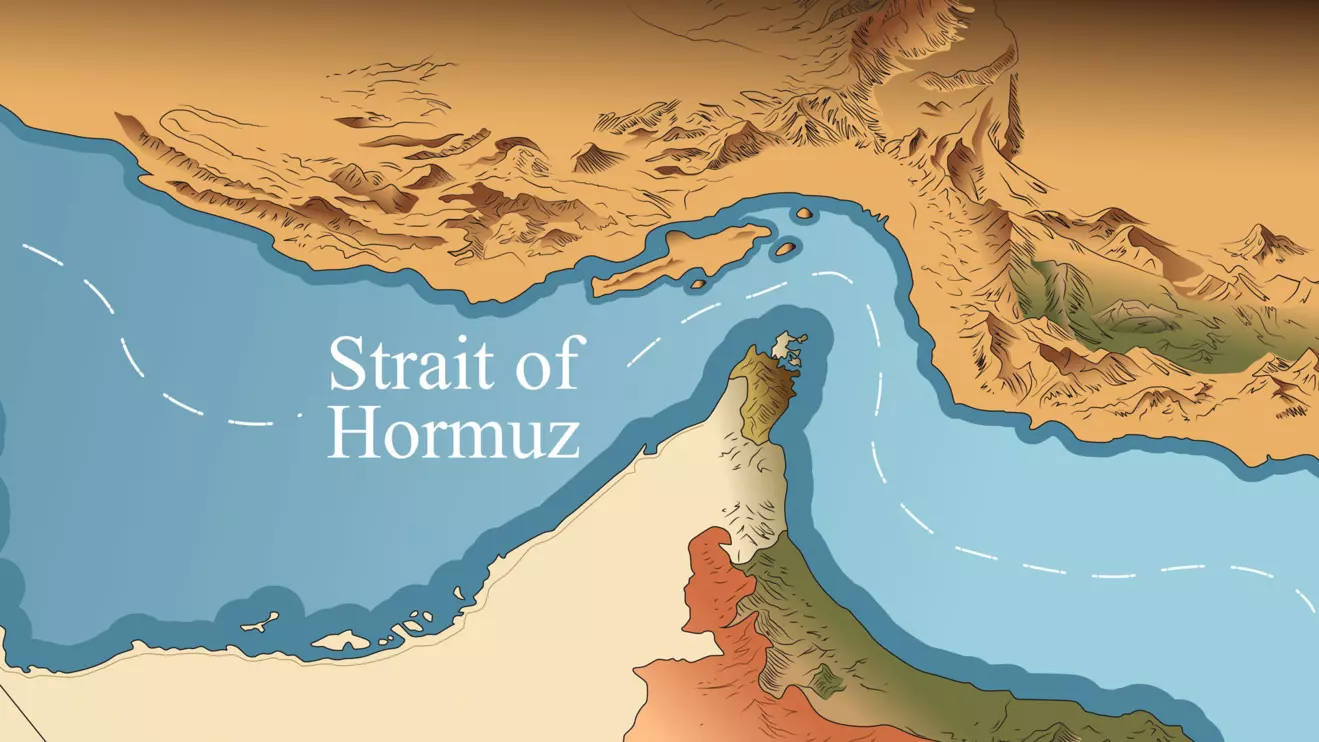
The fragile calm that briefly lifted over the Middle East has shattered. Iran has reimposed strict control over the Strait of Hormuz, reversing its decision to reopen the critical waterway just 24 hours earlier, and sending shockwaves through global energy markets ahead of Monday's open.
Tehran justified the move as retaliation for the continued US blockade of its ports © Mena Today
The fragile calm that briefly lifted over the Middle East has shattered. Iran has reimposed strict control over the Strait of Hormuz, reversing its decision to reopen the critical waterway just 24 hours earlier, and sending shockwaves through global energy markets ahead of Monday's open.
Tehran justified the move as retaliation for the continued US blockade of its ports, with Iran's Revolutionary Guards warning that any vessel attempting to transit the strait would be "considered as cooperating with the enemy and targeted."
At least three commercial ships came under fire shortly after the announcement. President Donald Trump hit back, calling Iran's maneuver "blackmail" and accusing Tehran of "playing games."
The Hormuz escalation comes just three days before the Iran-US ceasefire expires, and at a moment when peace talks appear deadlocked. Iran's powerful Parliament Speaker Mohammad Bagher Ghalibaf reiterated Saturday that the two sides remain "far from closing the debate", citing deep mistrust and unresolved fundamental issues. Trump, meanwhile, claimed Iran had agreed to hand over enriched uranium, a claim Tehran flatly denied.
Egypt and Pakistan are working to bring both parties back to the negotiating table following the failed April 12 Islamabad round.
Iran and the United States have taken tentative steps toward a deal, but a final agreement remains far out of reach, according to one of Tehran's most powerful political figures.
The ink on the Lebanon-Israel ceasefire had barely dried when Hezbollah's leader Sheikh Naim Kassem took to the airwaves, not to welcome peace, but to claim triumph.
Turkey needs Iranian gas. The problem is that the Middle East is on fire, and the timing could hardly be worse.
To make this website run properly and to improve your experience, we use cookies. For more detailed information, please check our Cookie Policy.
Necessary cookies enable core functionality. The website cannot function properly without these cookies, and can only be disabled by changing your browser preferences.