Amid growing regional and global security challenges, the Republic of Togo reaffirms its steadfast commitment to international cooperation and strategic partnerships.
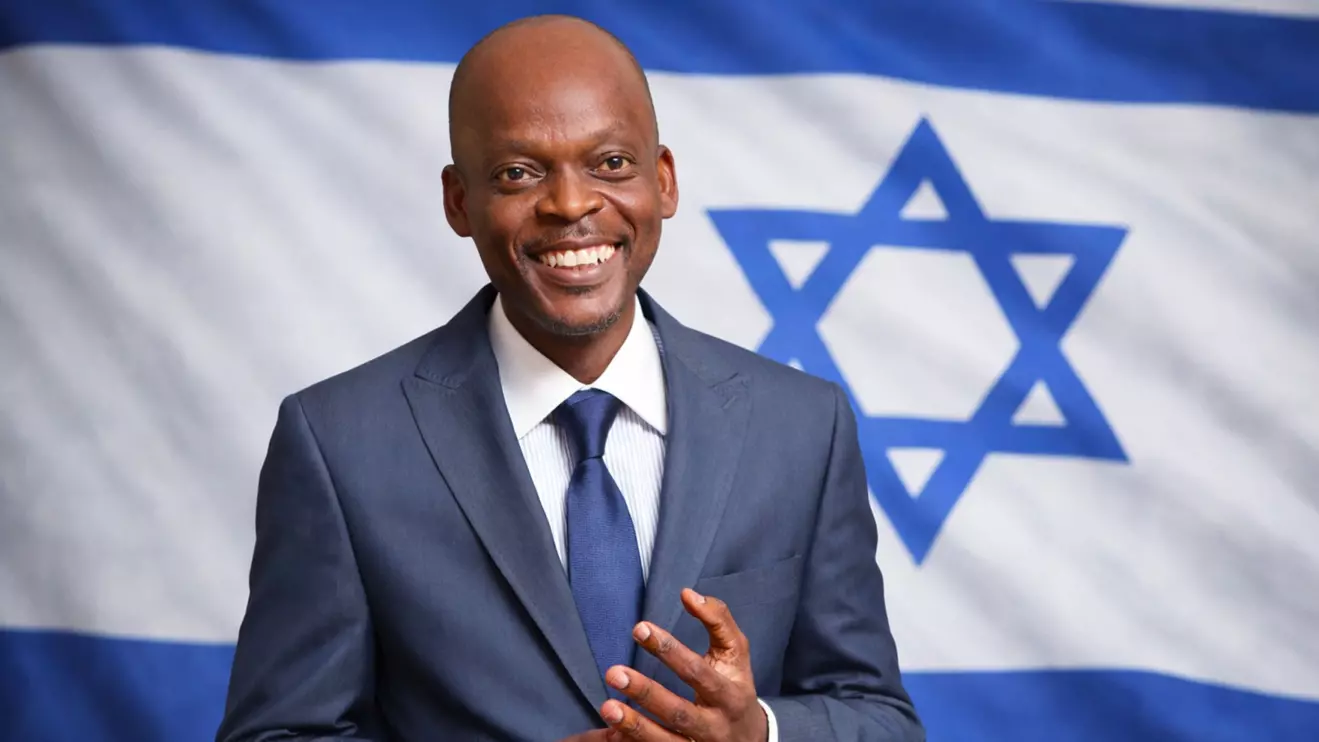
During a working visit to Jerusalem on Thursday, Togolese Minister of Foreign Affairs, Robert Dussey, held high-level talks with Israeli Foreign Minister Gideon Saar. The meeting marked a new step in the long-standing and trusted relationship between Togo and Israel.
From agriculture and healthcare to security and education, the discussion focused on concrete ways to strengthen bilateral cooperation. In this exclusive interview with Mena Today, Minister Dussey offers clear, uncompromising insight into Togo’s diplomatic vision, the country’s priorities in the fight against terrorism, and the shared values that make Israel a trusted and strategic ally.
Q: Minister Dussey, you met with your Israeli counterpart, Gideon Saar, on Thursday. What is the political significance of this meeting?
Robert Dussey: This meeting reflects the longstanding trust between Togo and Israel. It underscores our shared intention to move beyond declarations and implement tangible, results-driven cooperation. Both our countries adopt a pragmatic approach: identify clear priorities and take action.
Q: What were the main areas of focus in your discussions?
Robert Dussey: We focused on three strategic sectors: agriculture, education and training, and health. These are pillars of human development. Israel’s recognized expertise in smart agriculture, water management, and medical innovation is an asset. Togo seeks to build on these strengths to improve food security, train our youth, and enhance healthcare access.
Dialogue does not mean turning a blind eye to threats
Q: Agriculture remains a key concern for Togo. What do you expect from this partnership?
Robert Dussey: Our goal is to develop a modern, productive, and climate-resilient agricultural sector. It’s not about importing ready-made models, but adapting proven solutions to our local realities. Through cooperation with Israel—in irrigation, agri-tech, and farmer training—we can achieve direct, measurable impact for rural communities.
Q: Why is training such a priority?
Robert Dussey: Because human capital is Africa’s greatest wealth. Developing skills and building bridges between our institutions and Israeli centers of excellence is a strategic investment. Togo is betting on a well-educated youth to support its economic and technological transformation.
Q: Security issues were also central, especially terrorism in the Sahel and West Africa.
Robert Dussey: Yes, and we addressed them frankly. Terrorism is a global threat that severely affects the Sahel and West Africa. No country can face it alone. We discussed intelligence-sharing, prevention, and capacity-building. Security is a prerequisite for development.
Q: You also discussed the threat posed by Iran and its proxies in the Middle East.
Robert Dussey: Togo observes geopolitical developments with clarity. Iran’s actions and its proxies contribute to Middle East instability, with repercussions beyond the region. We firmly reject any strategy of destabilization through violence. Togo stands for a diplomacy of responsibility, rooted in state sovereignty, dialogue, and peaceful solutions.
Q: Can we say Togo is taking a clear stance on sensitive issues?
Robert Dussey: Absolutely. Togo is neither naïve nor silent. We believe in diplomatic clarity. This is the consistent message of Faure Gnassingbé, The President of the Council. Dialogue does not mean turning a blind eye to threats. It means speaking truth, promoting peace, and acting with coherence.
Q: What is your personal takeaway from your meeting with Gideon Saar?
Robert Dussey: A strong convergence of views and a shared commitment to move forward. Togo and Israel look to the future with seriousness and pragmatism. Togo is a reliable ally of Israel, and we are determined to build a partnership that delivers for our people.