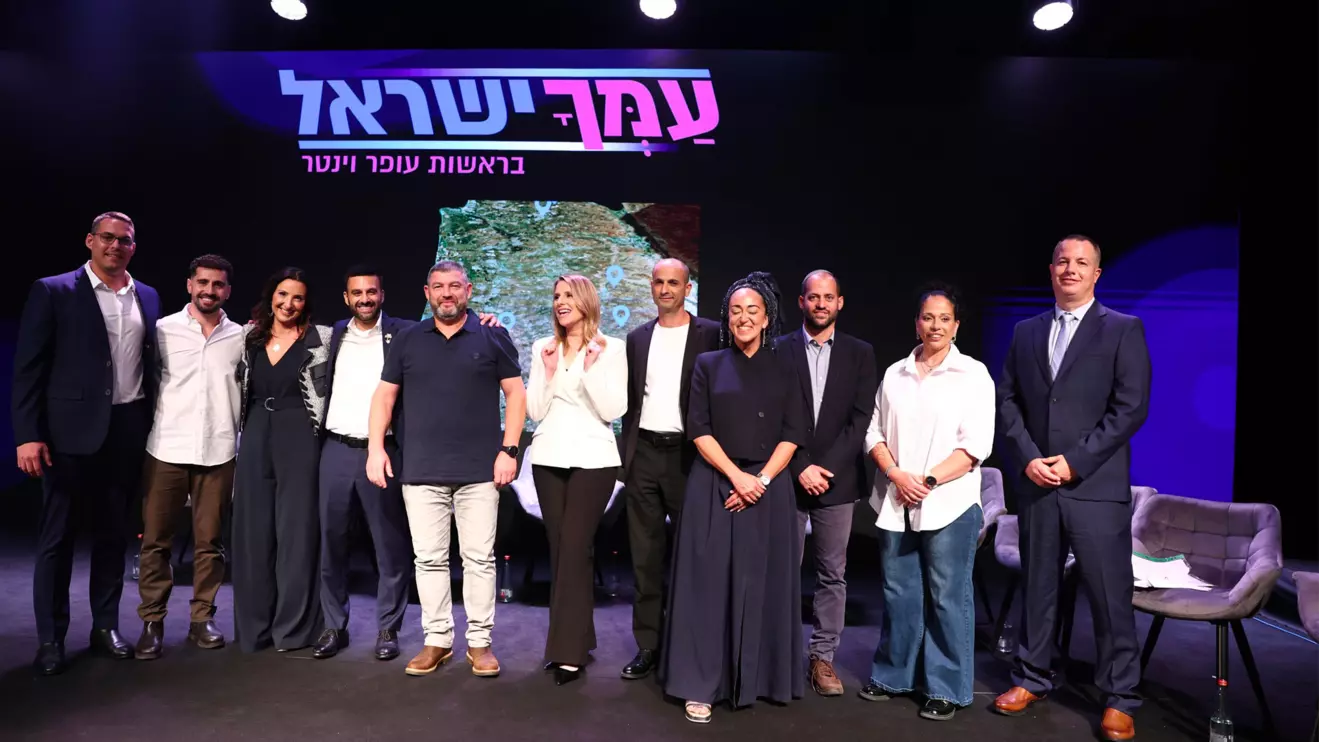
Israel's political scene keeps splintering ahead of the October 27 vote, with retired Brigadier General Ofer Winter becoming the latest figure to enter the race, launching a new party, Amcha Israel.
Winter's slate includes Arab-Israeli advocacy activist Yoseph Haddad, television journalist Netali Shem Tov, representatives of bereaved families, and several military, civic and religious-nationalist figures.
He presents himself as a political outsider whose 34 years of military service prepared him for a new "battle over the future of the country », but his emergence signals something more specific: an uncompromising religious right that frames the Gaza war as part of a broader national and theological struggle.
Winter first drew national attention in 2014 while commanding the Givati Brigade during Operation Protective Edge, when he told his soldiers Hamas "defies, curses and reviles the God of Israel's armies," invoking the Shema prayer, remarks that sparked debate over religion's place in the military.
That same religious framing defined the launch of Amcha Israel, which takes its name from a prayer recited on Rosh Hashanah and Yom Kippur.
Winter closed his speech with the line: "Lord, God of Israel, please grant success to the path upon which I am embarking."
His positions, including advocacy for Palestinian migration out of Gaza, go further than Prime Minister Benjamin Netanyahu's official stance, placing him on the religious right's furthest edge.
Winter is just one entry in what is shaping up to be an unusually crowded field. Under Israel's system of full proportional representation, with no districts and a low electoral threshold, even small parties can win seats, and this election cycle has already seen a wave of new lists, splinters and personality-driven movements jockeying for position.
For many voters, the result is a political map that grows harder to read by the week: familiar blocs fracturing into smaller factions, new religious-nationalist and centrist entries multiplying, and coalition math becoming increasingly difficult to project.
Analysts warn that this fragmentation could complicate post-election negotiations regardless of which bloc emerges strongest, prolonging the horse-trading needed to form a governing coalition.