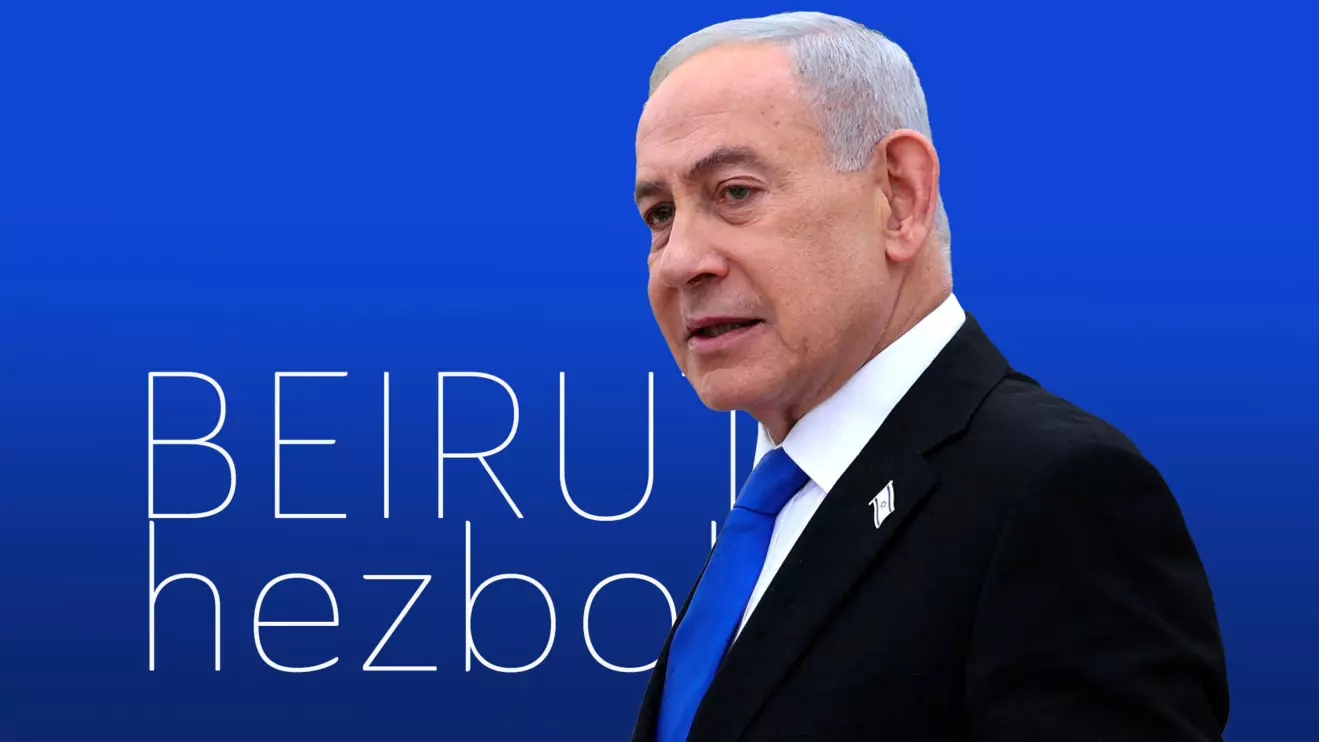
Benjamin Netanyahu is under criticism at home after U.S. President Donald Trump declared Israel would halt plans to attack Iran ally Hezbollah in Beirut, highlighting pressure the Israeli leader faces ahead of an election polls show him losing.
Trump said on Monday that Israel and Hezbollah had agreed to halt attacks on one another, hours after Netanyahu ordered new strikes on Beirut's southern suburbs, prompting a warning from Iran that Israel was jeopardizing Tehran's talks with the U.S.
Lebanon's government later announced a new ceasefire between Israel and Hezbollah, under which Israel would halt strikes on southern Beirut and Hezbollah would stop attacks on Israel.
NETANYAHU POLITICAL CHALLENGER SAYS 'HE'S LOST CONTROL OF ISRAELI SOVEREIGNTY'
Netanyahu's challengers in elections due by October accused the prime minister of having acquiesced to Trump on issues of national security.
"The location is different, the story is the same," said Naftali Bennett, a right-wing security hawk and former premier who also criticizes Netanyahu over Hamas militants' resurgence in Gaza.
"A government that has lost control of Israeli sovereignty," Bennett said in an X post.
Bennett and his coalition partner in the upcoming election, centrist Yair Lapid, have pressed for strikes against Hezbollah.
"A full protectorate," Lapid said in an X post, in effect accusing Netanyahu of allowing the U.S. to dictate Israeli military policy as if Israel was an American client state.
Israel and Hezbollah have continued to trade fire despite an April 16 U.S.-brokered ceasefire. The latest conflict began on March 2 with Hezbollah firing into Israel in support of Iran.
Israel has since deepened its invasion of southern Lebanon, displacing over a million people and killing more than 3,400 as it bombards areas with attacks it says are aimed at rooting out Hezbollah. Hezbollah has not released figures on its war dead.
Hezbollah has fired rockets and explosive drones at Israeli troops and northern Israeli towns. Israel says 26 soldiers and four civilians have been killed since March 2.
Netanyahu disputes criticism of Israel's military operations in Lebanon, arguing that air strikes under his watch have dealt Hezbollah blows. After Trump's announcement on Monday of a new Israel-Hezbollah agreement, Netanyahu said Israel's stance in the conflict "remains unchanged."
TRUMP PUSH FOR HALT TO ATTACKS UNREASONABLE, EISENKOT SAYS
"(If) Hezbollah does not cease attacking our cities and citizens -- Israel will attack terror targets in Beirut," Netanyahu said in a statement following Trump's announcement.
Israel's military has continued to carry out attacks on southern Lebanon since Trump's declaration on Monday.
On Tuesday, Israeli Defence Minister Israel Katz said that Israel had refrained from carrying out strikes on Beirut at the request of the U.S. But he warned that any new Hezbollah attacks on northern Israel would trigger strikes on southern Beirut suburbs, considered a stronghold of the militant group.
Gadi Eisenkot, a former chief of staff of the Israeli military who is also running for prime minister, said on Monday that Trump's push for Israel to halt attacks was unreasonable.
"There has never been an Israeli prime minister who accepted such a humiliating demand," Eisenkot wrote on X.
The criticism underscores growing tensions within Israel's political system over the extent to which military decisions should be coordinated with its closest ally, the United States.
Netanyahu's coalition partner Itamar Ben Gvir, the national security minister, said that Israel should tell Trump: "no".
English-language Israeli newspaper The Jerusalem Post wrote that Israel had "found itself in the humiliating position of having to seek American approval to defend its own citizens."
"The United States is now actively restraining Israel from taking decisive military action," it said in an editorial.