For decades, diplomats, scholars, presidents, kings, emirs, generals, and United Nations envoys have tried to achieve one impossible goal in the Middle East: Consensus.
They all failed.
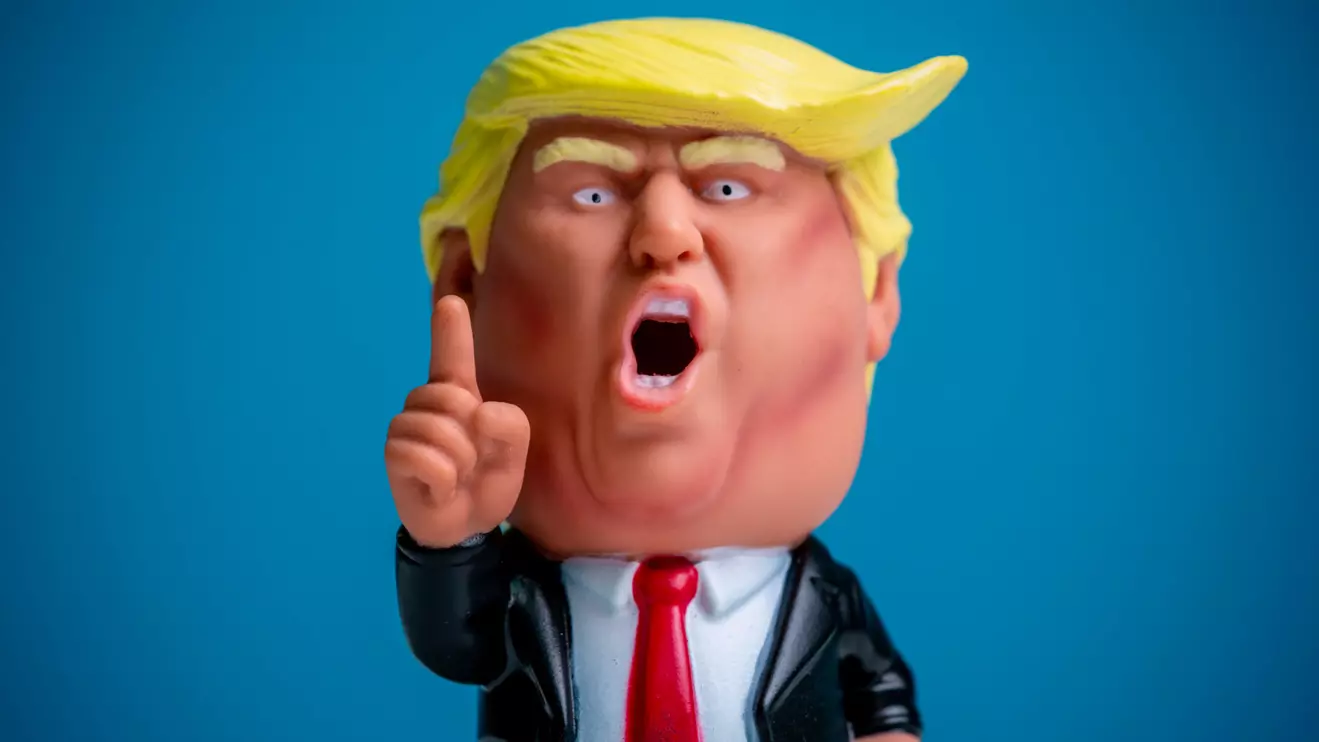
Donald Trump succeeded.
The war with Iran had neatly divided the Arab world into two camps. On one side were those cheering Trump’s campaign of pressure against Tehran. On the other were those rooting for Iran’s defiance of the United States.
Then something remarkable happened.
Trump managed to disappoint both.
Today, across the region, commentators who normally spend their days denouncing one another are united by a common conviction: Trump blinked.
The pro-Iran camp says he surrendered.
The anti-Iran camp says he surrendered.
The neutral camp says he surrendered.
Even people who cannot agree on the weather appear to agree on this.
It is an extraordinary accomplishment.
In a part of the world where strength is admired, weakness is punished, and hesitation is remembered forever, Trump has somehow transformed himself from the symbol of “maximum pressure” into the poster child for “maximum flexibility.”
One almost has to admire the efficiency.
Years of speeches about red lines.
Months of threats.
Weeks of military escalation.
And after all the drama, the region’s verdict can be summarized in two words:
“He folded.”
Perhaps the harshest irony is that Trump has spent a decade cultivating the image of a man who never backs down. Yet from Morocco to the Gulf, from Beirut cafés to WhatsApp groups, people are now laughing at precisely that image.
His supporters feel betrayed.
His opponents feel vindicated.
The Iranians feel victorious.
The Arabs feel entertained.
And everyone is enjoying the show.
In fairness, Trump did achieve something nobody thought possible. He united Islamists and secularists, Gulf monarchists and Arab nationalists, Iran’s admirers and Iran’s enemies.
Not behind a peace plan.
Not behind a vision.
Not behind an alliance.
Behind a joke.