Turkey and Armenia have taken a significant step toward reconciliation, resuming direct commercial trade via third countries as part of their ongoing normalisation process launched in 2022.
As of 11 May, Turkish Foreign Ministry spokesman Öncü Keçeli confirmed that goods exchanged between the two countries can now officially list Turkey and Armenia as their origin and final destination, even if shipments continue to transit through third countries, primarily Georgia, due to the absence of a functioning border crossing.
"The administrative preparations for the launch of direct commercial exchanges between our country and Armenia have been completed," Keçeli stated, describing the development as part of the broader confidence-building measures agreed between the two sides.
Yerevan welcomed the announcement. Armenia's Foreign Ministry spokesman called it "a new and significant step in the normalisation process" and expressed hope that "the logical extension of this decision will be the opening of the Armenian-Turkish border and the establishment of diplomatic relations."
A relationship slowly thawing
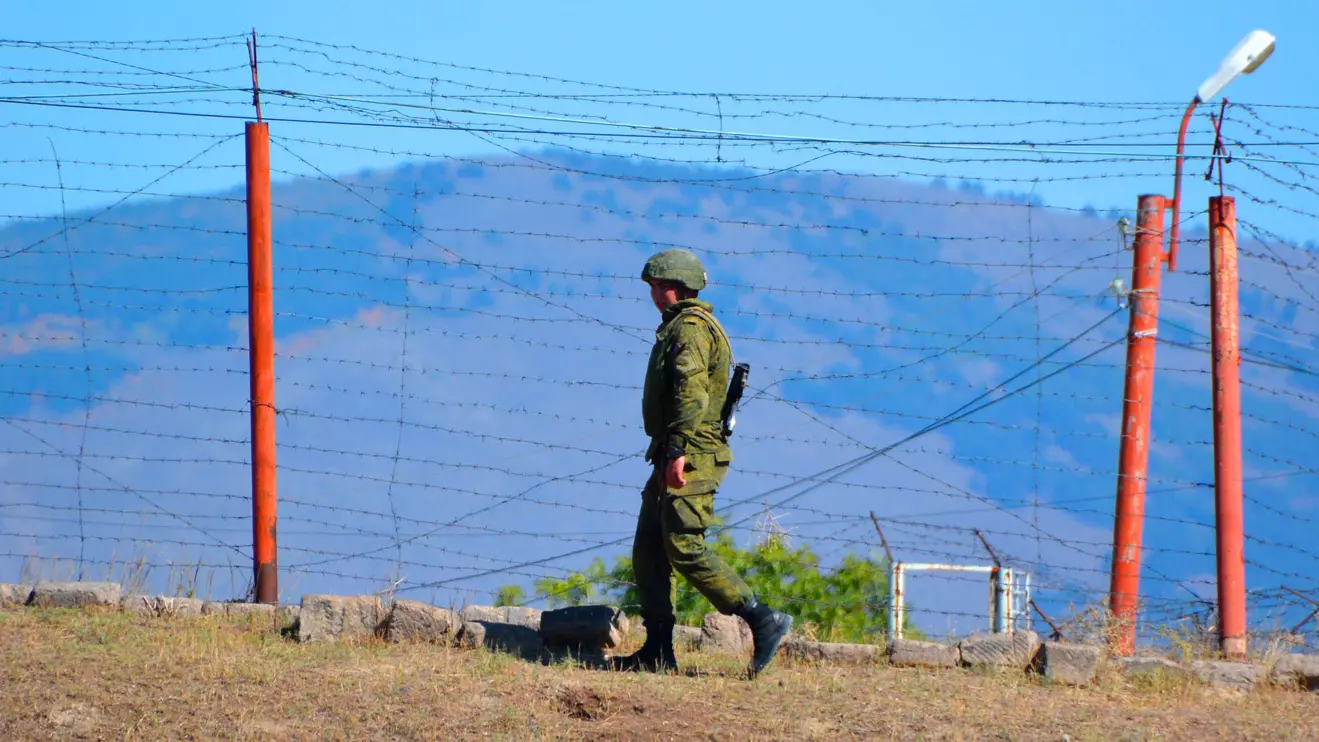
The two countries have no diplomatic relations. Their shared land border, briefly open in the early 1990s, has remained closed for decades, a casualty of the conflict over Nagorno-Karabakh and deep historical grievances, including Armenia's recognition of the 1915 massacres as genocide.
The normalisation process gained momentum after Armenia's military defeat by Azerbaijan in 2020, with both sides appointing special envoys in late 2021. Progress has been slow but steady, and Monday's trade announcement is the most concrete step yet.
Ankara framed the development in regional terms: "Turkey will continue to contribute to the development of economic relations and cooperation in the region, for the benefit of all countries and peoples of the South Caucasus."
The border remains closed. Diplomats have yet to be exchanged. But trade is flowing — and that, in this particular relationship, is remarkable progress.