Turkey’s green push gains momentum with Saudi solar deal

1 min Sandrine Zimra

Turkey and Saudi Arabia have signed a major solar energy agreement that marks a new chapter in their rapidly strengthening ties. 

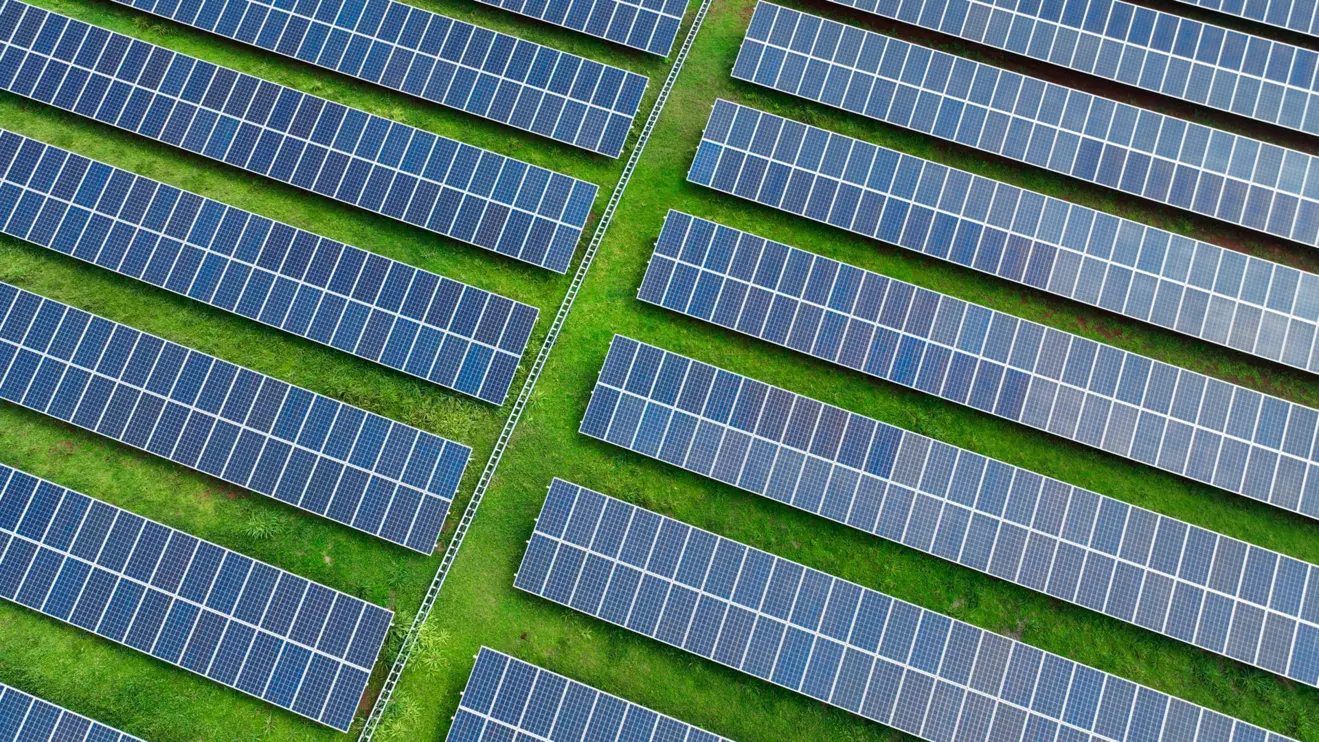
Turkey is positioning itself at the forefront of the renewable energy transition © Mena Today 

Turkey is positioning itself at the forefront of the renewable energy transition © Mena Today 

Turkey and Saudi Arabia have signed a major solar energy agreement that marks a new chapter in their rapidly strengthening ties. 

The deal, finalized in Istanbul, provides for the construction of two large-scale solar power plants in central Turkey with a combined capacity of 2,000 megawatts.

The agreement follows a broader $2 billion energy framework reached during President Recep Tayyip Erdogan’s recent visit to Riyadh. 

Under the new project, Saudi energy giant ACWA Power will develop solar facilities in the provinces of Sivas and Karaman. Once completed, the plants are expected to generate enough electricity to power approximately 2.1 million households.

Turkish Energy Minister Alparslan Bayraktar hailed the initiative as one of the most significant investments ever made in the country’s energy sector. He emphasized that the project would secure electricity at record-low prices, reinforcing Turkey’s drive toward affordable and sustainable energy.

The partnership also reflects a broader diplomatic thaw. Relations between Ankara and Riyadh, strained after the 2018 killing of journalist Jamal Khashoggi in Istanbul, have steadily improved. Today, the two countries coordinate on key regional issues, including Gaza and Syria.

Turkey is positioning itself at the forefront of the renewable energy transition. 

Last year, 62 percent of newly installed electricity capacity came from renewable sources. Ankara aims to raise its combined solar and wind capacity to 120,000 megawatts by 2035 and reach carbon neutrality by 2053.

Despite this progress, coal still accounted for over one-third of Turkey’s electricity generation last year. Officials say reducing reliance on energy imports remains a strategic priority, with natural gas and nuclear power expected to complement the expansion of renewables in the coming decades.

The new solar partnership underscores Turkey’s ambition to reshape its energy landscape while strengthening its strategic and economic ties with Saudi Arabia.

Sandrine Zimra

Sandrine Zimra

Sandrine Zimra has been a financial analyst for 25 years. Based in Geneva, she covers countries in the Middle East and travels regularly to the United Arab Emirates, Saudi Arabia, Qatar, Bahrain, Egypt, and Israel. She contributes to Mena Today with her financial reports and insights on the region.

Related

Turkey

Trump will join NATO leaders in Turkey

U.S. President Donald Trump will attend the NATO meeting of heads of state that is taking place in Turkey in early July, U.S. Secretary of State Marco Rubio said on Wednesday, providing a confirmation that will likely lead to a sigh of relief across the capitals of the alliance.

Kuwait

Tehran's latest provocation targets Kuwait

Kuwait's military reported Wednesday that it had intercepted a barrage of approximately 30 missiles and drones in what it described as an "Iranian aggression," leaving one person dead and numerous others wounded.

Strait of Hormuz

EU proposes naval mission lead effort to clear Hormuz mines

The European Union has proposed that the bloc's Aspides naval mission take "the primary role" in clearing mines in the Strait of Hormuz "when conditions allow" as part of a Franco-British-led initiative, according to a document seen by Reuters.

Subscribe to our newsletter

Mena banner 4

To make this website run properly and to improve your experience, we use cookies. For more detailed information, please check our Cookie Policy.

  • Necessary cookies enable core functionality. The website cannot function properly without these cookies, and can only be disabled by changing your browser preferences.