Turkey
Turkey calls for constructive U.S.-Iran talks
Turkey said on Thursday it would continue supporting peace talks between the United States and Iran and called on the sides to be "constructive" in negotiations to end the war.
Turkey said on Sunday it had killed 23 Kurdish militants in northern Syria, the latest in a series of strikes against them which have continued since U.S. President Donald Trump took office last month.
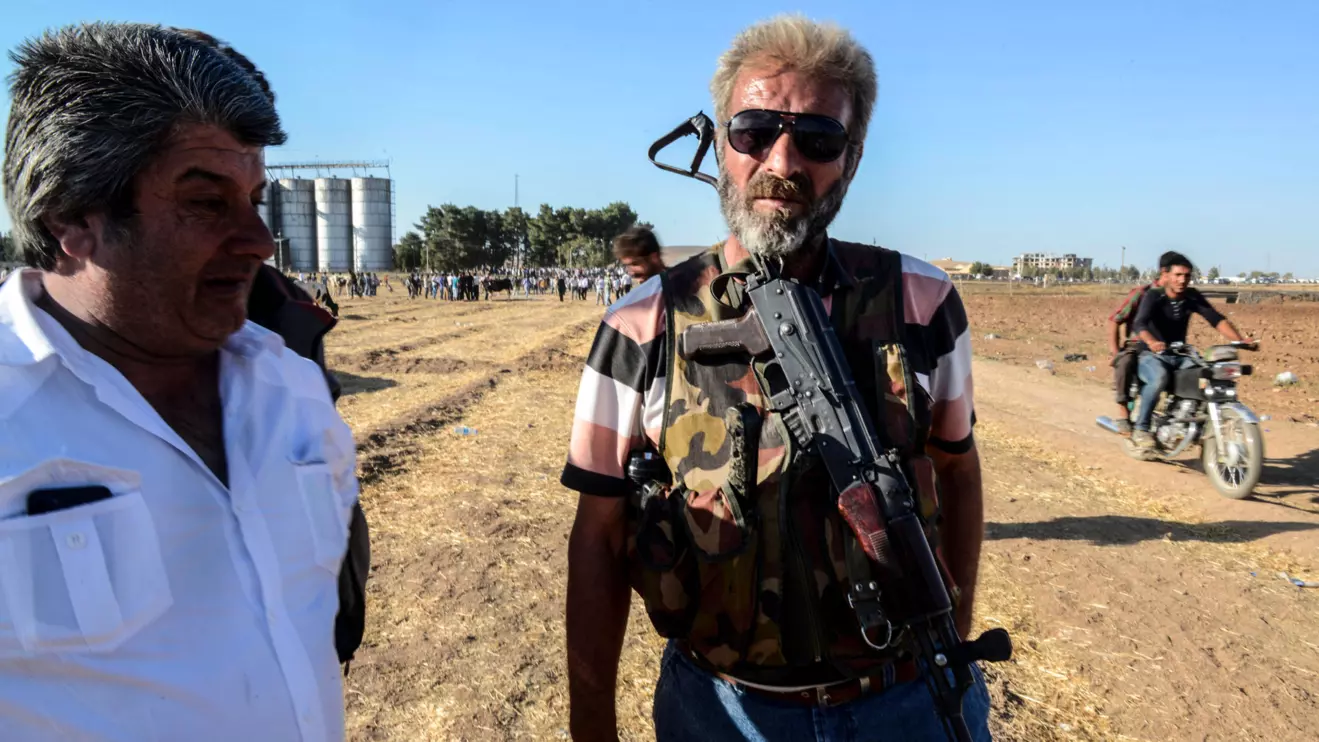
A fighter from the YPG © Mena Today
Turkey said on Sunday it had killed 23 Kurdish militants in northern Syria, the latest in a series of strikes against them which have continued since U.S. President Donald Trump took office last month.
The defence ministry said the militants belonged to the Syrian Kurdish YPG militia and the outlawed Kurdistan Workers Party, or PKK.
Turkey regards the PKK and YPG to be identical, while the United States views them as separate groups, having banned the PKK as terrorists but recruited the YPG as its main allies in Syria in the campaign against Islamic State.
Turkey has long called on Washington to withdraw support for the YPG, expressing hope that Trump would revise the policy of the previous administration of President Joe Biden.
Turkish forces and their allies in Syria have repeatedly fought with Kurdish militants there since the toppling of Syrian President Bashar Al-Assad in December.
Turkey has said that the Syrian Democratic Forces, or SDF - a U.S.-backed umbrella group that includes the Kurdish YPG - must disarm or face military intervention.
Under the Biden administration the United States has had 2,000 troops in Syria fighting alongside the SDF and YPG.
Reporting by Daren Butler
Turkey said on Thursday it would continue supporting peace talks between the United States and Iran and called on the sides to be "constructive" in negotiations to end the war.
In a deal that could redraw regional trade routes and unlock the full potential of Jordan's vast mineral wealth, Amman and Abu Dhabi have signed a landmark $2.3 billion railway agreement, one of the most significant infrastructure partnerships the Middle East has seen in years.
French Foreign Minister Jean-Noël Barrot’s latest comments on Israel-Lebanon talks reflect a troubling gap between rhetoric and reality.
To make this website run properly and to improve your experience, we use cookies. For more detailed information, please check our Cookie Policy.
Necessary cookies enable core functionality. The website cannot function properly without these cookies, and can only be disabled by changing your browser preferences.