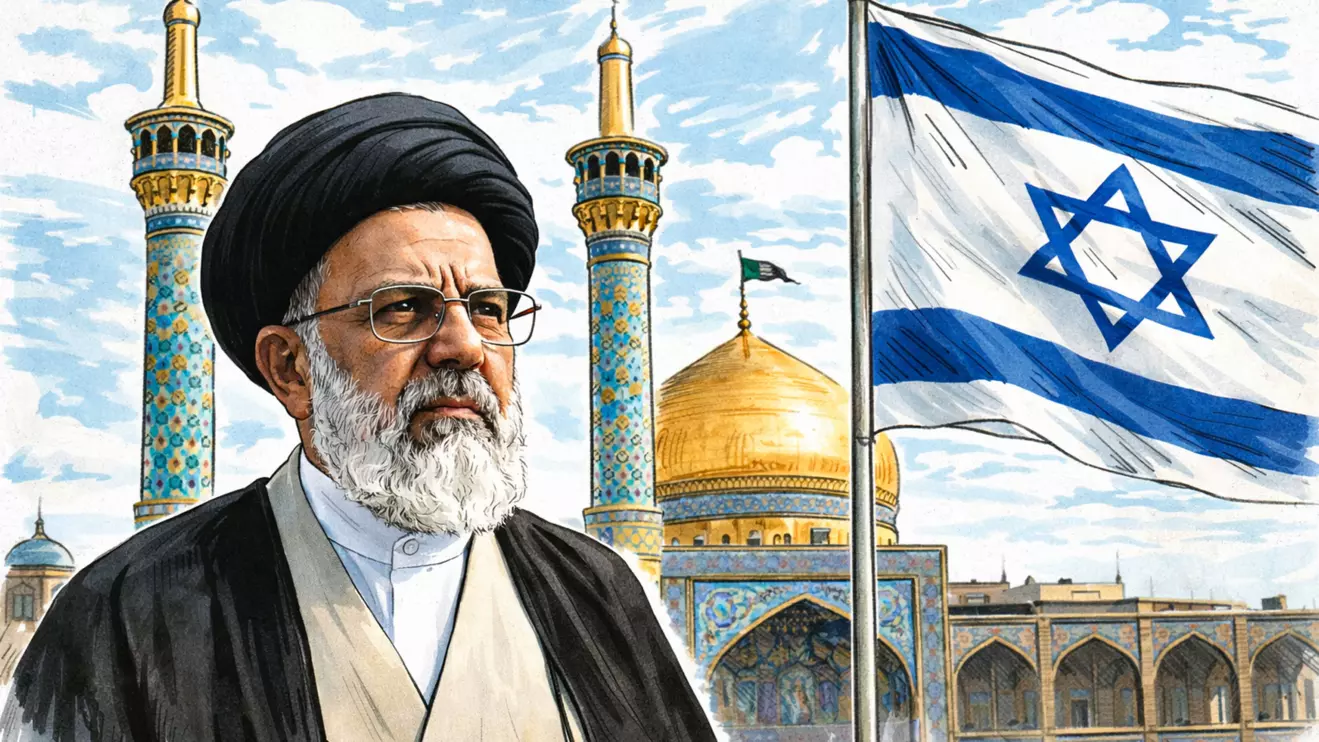
Israeli Prime Minister Benjamin Netanyahu declared Sunday he hopes Iran "will soon be freed from the yoke of tyranny," condemning what he described as "mass massacres against civilians" as the Iranian regime faces unprecedented mass protests.
"When that day comes, Israel and Iran will once again become faithful partners in building a future of prosperity and peace for both peoples," Netanyahu added at the opening of the weekly Cabinet meeting. "The people of Israel and the entire world admire the immense courage of Iranian citizens."
Netanyahu's statement invokes a historical truth often forgotten in contemporary Middle East politics: before the 1979 Islamic Revolution that toppled the Shah, relations between Tehran and Jerusalem were extraordinarily close.
The two non-Arab nations shared strategic, economic, and cultural ties, with Israel providing technical assistance and the countries cooperating on security matters.
That partnership was severed when Ayatollah Khomeini's revolution transformed Iran from Israel's regional ally into its most implacable enemy. For over four decades, the Islamic Republic has made hostility to Israel a cornerstone of its ideology, funding proxy militias like Hezbollah and Hamas while calling for the Jewish state's destruction.
Yet Netanyahu's message reflects a crucial distinction recognized by Israeli intelligence and policymakers: the Iranian people are not their government.
In Iran, a significant portion of the population, particularly among younger, urban, and educated Iranians, expresses friendship toward Israel, rejecting their regime's obsessive anti-Zionism.
This sentiment has manifested repeatedly during protests over the years, with demonstrators sometimes chanting "No to Gaza, no to Lebanon, my life only for Iran », a direct repudiation of the regime's expensive support for anti-Israel militant groups while Iranians suffer economic hardship at home.
Social media has amplified these voices. Iranians regularly engage positively with Israeli content online, express admiration for Israeli technology and culture, and emphasize the historical Persian-Jewish connection dating back millennia. Many Iranians view Arabs, not Israelis, as historical adversaries and resent their government's prioritization of Palestinian causes over Iranian interests.
The Regime's Worst Nightmare
Nothing terrifies Iran's rulers more than the prospect of normal relations between Iranians and Israelis. The Islamic Republic's entire legitimacy rests on revolutionary ideology, with anti-Zionism as a central pillar. If Iranians embrace ties with Israel, the regime's ideological foundation crumbles.
Netanyahu's message offers Iranian protesters a vision of what freedom could bring: not just domestic liberty but regional integration, economic opportunity, and restored international standing. An Iran at peace with Israel could access technology, investment, and partnerships currently unimaginable.
For Israelis, a democratic Iran would transform regional security dynamics. The primary threat to Israel's existence would vanish. Resources devoted to deterring Iranian aggression could be redirected. The prospect of Iranian nuclear weapons, Israel’s ultimate nightmare, would recede.
The Islamic Republic has spent four decades teaching Iranians to hate Israel. Instead, increasing numbers of Iranians have concluded that their real enemy sits in Tehran, not Jerusalem. That realization, more than any external pressure, poses the greatest threat to the regime's survival.
When tyranny finally falls in Iran, as Netanyahu expressed hope it soon will, the restoration of Israeli-Iranian partnership won't require building something new. It will mean recovering something stolen by revolution, a natural alignment between two ancient nations that should never have been enemies.
The Iranian people are fighting for freedom. In doing so, they're also fighting to reclaim their country's rightful place in the region, not as a pariah state sponsoring terrorism, but as a prosperous partner contributing to Middle Eastern stability and progress.