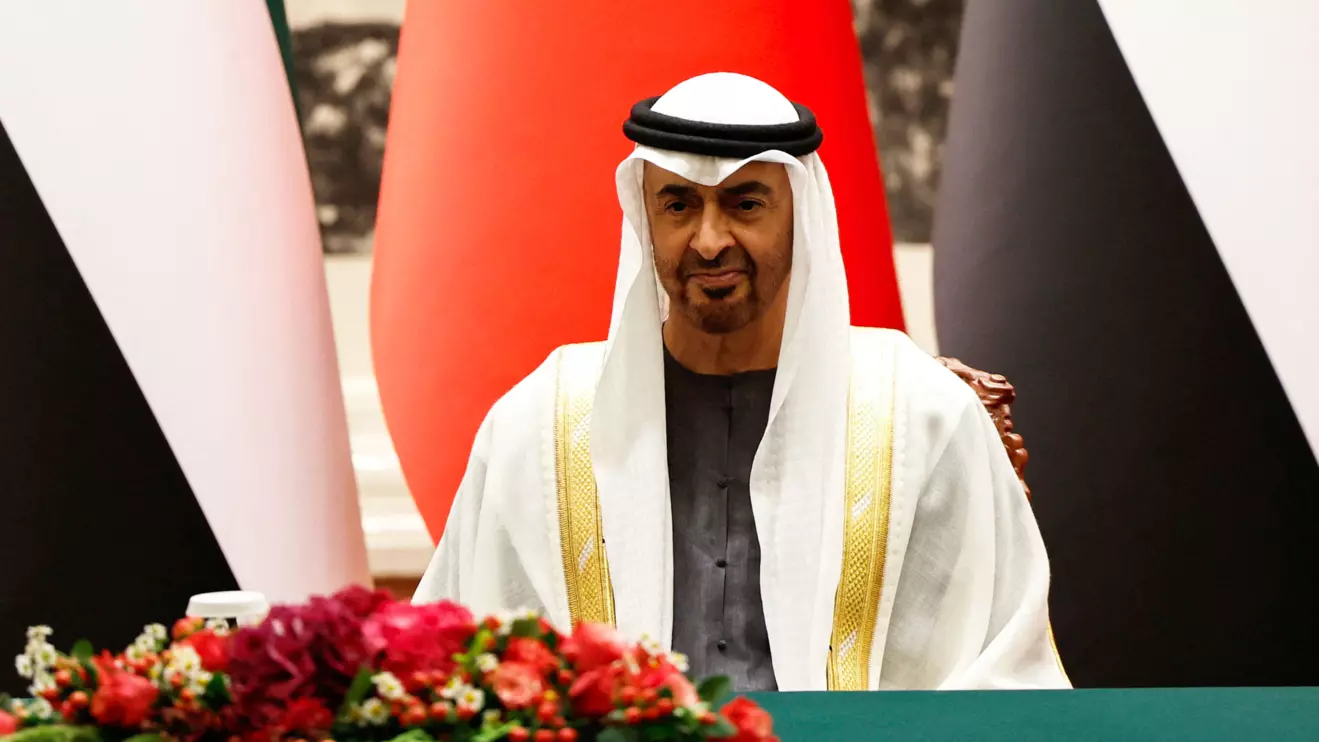
The United Arab Emirates president has pardoned 57 Bangladeshi citizens who were convicted and sentenced to lengthy prison terms for staging a rare protest in the Gulf country, against their South Asian nation, UAE state media reported.
President Sheikh Mohamed bin Zayed Al Nahyan's decision cancels the sentences of those convicted and those pardoned will be deported from the UAE, WAM reported on Tuesday.
The Abu Dhabi Federal Court of Appeal sentenced 57 Bangladeshi citizens in an expedited trial in July after they had protested against the then-prime minister of Bangladesh Sheikh Hasina and her government amid protests in Bangladesh.
Three Bangladeshi citizens had been sentenced to life in prison, while 53 were sentenced to 10 years in prison. One Bangladeshi, who state media said had entered the UAE illegally and "participated in the riot", was sentenced to 11 years.
The Public Prosecution had accused the Bangladeshi nationals of "crimes of gathering in a public place and protesting against their home government with the intent to incite unrest".
Sheikh Mohamed pardon's comes less than a week after UAE state media reported that the president had congratulated Muhammad Yunus on becoming Bangladesh's interim leader, after former prime minister Hasina was forced to quit and flee the country following violent protests.
Bangladeshi nationals are one of the largest communities in the UAE, a country of some 10 million people where most of the population are foreign residents. Emiratis account for about 10%. Many Bangladeshis in the UAE work low-paid blue collar jobs and send remittances home to help support their families.
The UAE's hereditary rulers tolerate little dissent. Freedom of expression is restricted and groups like political parties and labour unions are outlawed. Protests are rare.
Reporting by Jana Choukeir and Alexander Cornwell