UAE pushes to break dependence on Hormuz

1 min Philippe Naggar

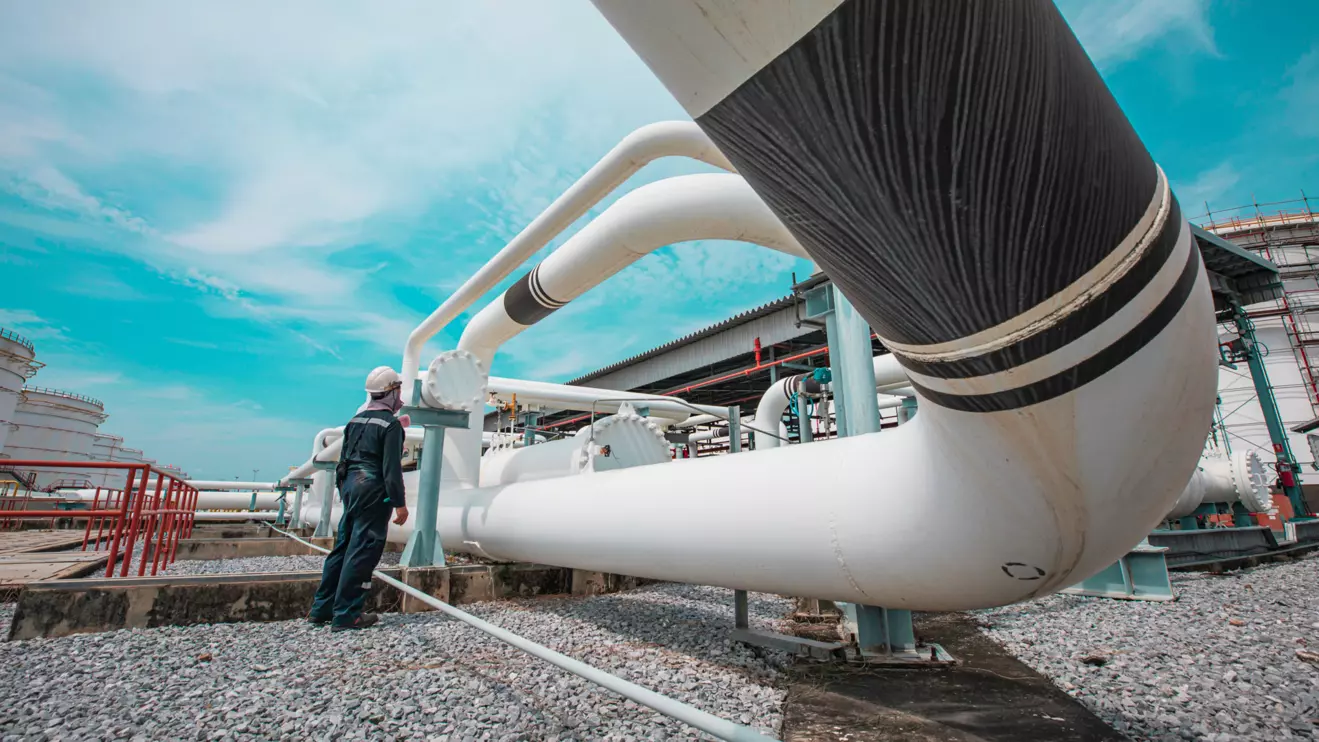
The United Arab Emirates is moving decisively to reduce its vulnerability to Iran's control of the Strait of Hormuz, with Abu Dhabi ordering the acceleration of a new pipeline project that would allow hydrocarbon exports to bypass the strategic - and currently disrupted - waterway.

The move is a direct response to the strategic crisis triggered by Iran's control of Hormuz since the outbreak of the US-Israeli war against the Islamic Republic on 28 February © Mena Today 

The move is a direct response to the strategic crisis triggered by Iran's control of Hormuz since the outbreak of the US-Israeli war against the Islamic Republic on 28 February © Mena Today 

The United Arab Emirates is moving decisively to reduce its vulnerability to Iran's control of the Strait of Hormuz, with Abu Dhabi ordering the acceleration of a new pipeline project that would allow hydrocarbon exports to bypass the strategic - and currently disrupted - waterway.

Abu Dhabi Crown Prince Sheikh Khaled bin Mohammed bin Zayed Al Nahyan issued a directive to state oil giant ADNOC to "accelerate the delivery of the project," according to the official press service, with completion now targeted for 2027.

The move is a direct response to the strategic crisis triggered by Iran's control of Hormuz since the outbreak of the US-Israeli war against the Islamic Republic on 28 February. 

The strait, through which approximately one fifth of global hydrocarbon trade normally flows,  has become a choke point, disrupting Gulf exports, driving up insurance premiums, stranding tankers and sending oil prices surging.

For the UAE, which has already developed the Abu Dhabi Crude Oil Pipeline (ADCOP), a 370 kilometre overland route to the port of Fujairah on the Gulf of Oman, bypassing Hormuz entirely, the new pipeline represents a further layer of energy security architecture designed to ensure that Iranian leverage over the strait cannot hold Abu Dhabi's exports hostage.

Philippe Naggar

Philippe Naggar

Philippe Naggar is a French-Egyptian journalist. Based in Abu Dhabi, he covers news across the Middle East and the Gulf region. He previously lived for several years in Tehran, giving him a solid expertise on Iran

Related

Lebanon

Lebanon speaks for itself. Finally

As the first session of government-level Lebanon-Israel negotiations opened Thursday in Washington, Lebanese Foreign Minister Joe Raggi moved quickly to define what Beirut is, and is not, sitting down to discuss.

Subscribe to our newsletter

Mena banner 4

To make this website run properly and to improve your experience, we use cookies. For more detailed information, please check our Cookie Policy.

  • Necessary cookies enable core functionality. The website cannot function properly without these cookies, and can only be disabled by changing your browser preferences.