Iran
Trump downplays duration of renewed Iran strikes
President Donald Trump said on Wednesday that the renewed U.S. campaign against Iran would not continue for "too long" after the biggest exchange of fire between Tehran and Washington since July.

There is a "50-50 chance" of a U.S.-Iran peace agreement, the United Arab Emirates' presidential advisor said on Friday, but stressed that any political settlement must address the root causes of instability in the region to avoid future conflict.
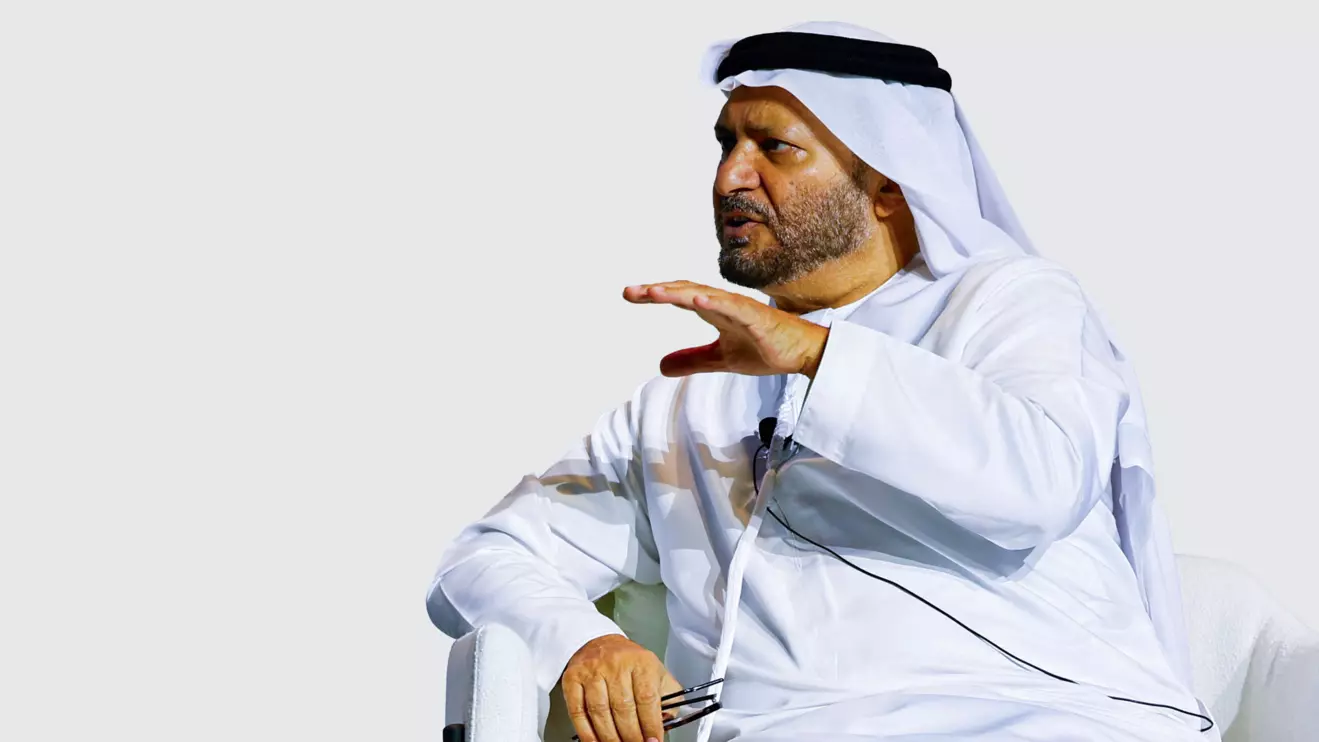
Diplomatic advisor to the United Arab Emirates President Anwar Gargash, Reuters/Rula Rouhana
There is a "50-50 chance" of a U.S.-Iran peace agreement, the United Arab Emirates' presidential advisor said on Friday, but stressed that any political settlement must address the root causes of instability in the region to avoid future conflict.
Pakistan has been mediating a U.S.-Iran ceasefire to end the war that has shaken the global economy and disrupted trade through the Strait of Hormuz, a key route for around a fifth of global oil and liquefied natural gas shipments.
"It is a 50-50 chance that we will reach an agreement. My worry is that the Iranians have always over-negotiated," Anwar Gargash, diplomatic adviser to the UAE president, said at the Globsec conference in Prague.
"This is not something new. They have missed many opportunities over the years because of a tendency to overestimate their cards. I hope they don’t do that this time," Gargash said.
He also said that the region needs a political solution and a second round of military confrontation would further complicate matters.
However, Gargash stressed that negotiations aimed solely at reaching a ceasefire risked laying the groundwork for future conflict if they failed to resolve underlying issues.
That "is not what we are seeking," he added.
Iran has repeatedly targeted the UAE during the conflict, including strikes on civilian infrastructure and areas near U.S. military facilities hosted by the Gulf state. Emirati officials said Iranian drone and missile attacks hit desalination plants, energy facilities and areas around Dubai and Abu Dhabi.
Gargash warned that any control over the Strait of Hormuz would set a dangerous precedent by politicising the strategic waterway and placing it under Iranian leverage.
Changes to the status quo in the strait would have serious global repercussions, including for Europe, he said, urging European countries to view the issue as directly linked to their energy security and trade interests.
He said the Strait of Hormuz must return to its pre-war status as an international waterway guaranteeing the free flow of energy, trade and maritime traffic, as it had for decades.
By Maha El Dahan and Jana Choukeir
President Donald Trump said on Wednesday that the renewed U.S. campaign against Iran would not continue for "too long" after the biggest exchange of fire between Tehran and Washington since July.
Top aides to President Donald Trump are pushing to keep the Iran war from escalating before November's midterm elections to staunch Republican electoral losses, four people familiar with the discussions said, a strategy already under strain as the U.S. and Iran exchanged back-and-forth attacks overnight.
Russia has secretly helped Iran develop advanced supersonic cruise missiles, in what the Financial Times describes as one of the most significant known transfers of strategic military technology from Moscow to Tehran, according to an investigation published Wednesday.
To make this website run properly and to improve your experience, we use cookies. For more detailed information, please check our Cookie Policy.
Necessary cookies enable core functionality. The website cannot function properly without these cookies, and can only be disabled by changing your browser preferences.