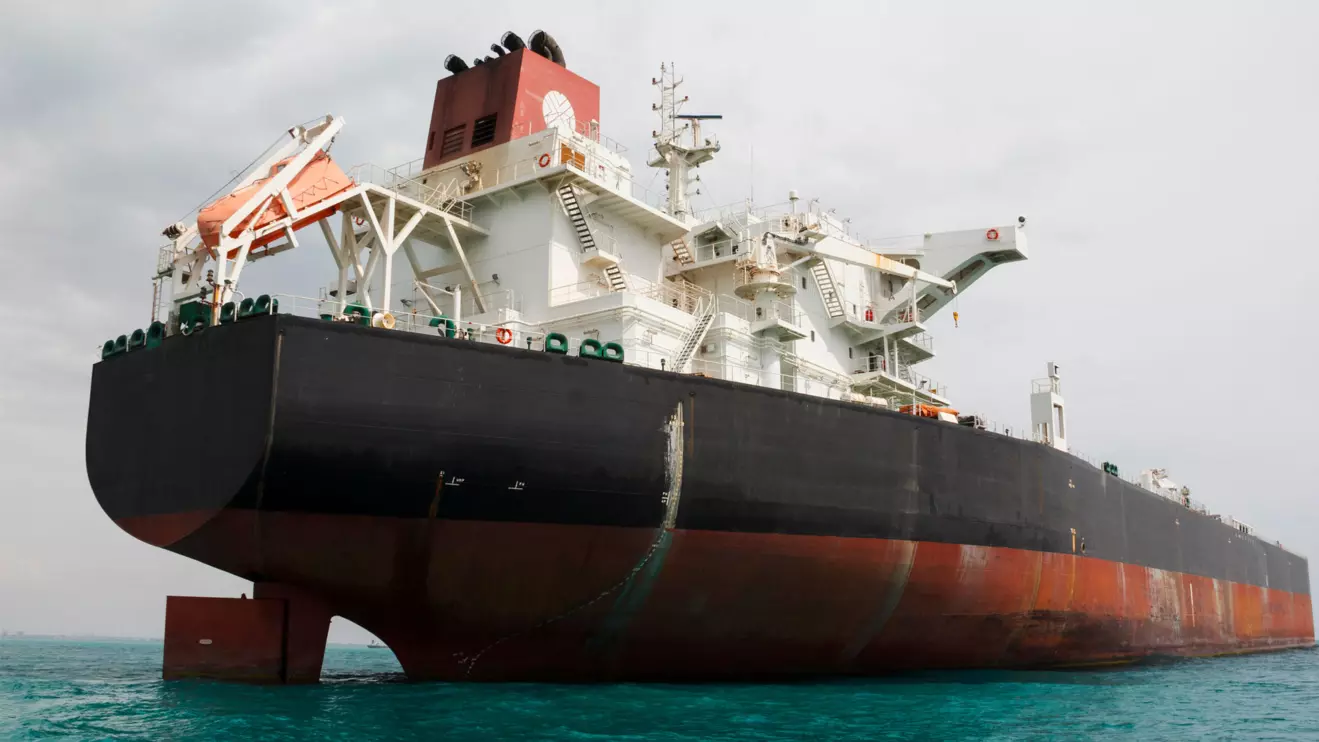
The Biden administration on Tuesday ramped up sanctions on Iran, targeting 35 entities and vessels it said carried illicit Iranian petroleum to foreign markets as part of what the U.S. Treasury Department called Tehran's "shadow fleet."
The sanctions build on those imposed on Oct. 11 and come in response to Iran's Oct. 1 attack on Israel and to its announced nuclear escalations, the Treasury Department said in a statement.
"Iran continues to funnel revenues from its petroleum trade toward the development of its nuclear program, proliferation of its ballistic missile and unmanned aerial vehicle technology, and sponsorship of its regional terrorist proxies, risking further destabilizing the region," Acting Under Secretary for Terrorism and Financial Intelligence Bradley Smith said.
"The United States remains committed to disrupting the shadow fleet of vessels and operators that facilitate these illicit activities, using the full range of our tools and authorities."
Such sanctions target key sectors of Iran's economy with the aim of denying the government funds for its nuclear and missile programs. The move generally prohibits any U.S. individuals or entities from doing any business with the targets and freezes any U.S.-held assets.
Eight of the 21 sanctioned ships are loaded with oil, while another was on its way to a Russian port to lift a cargo, shipping data on LSEG Workspace showed.
Suezmax-sized tanker Min Hang loaded Russian Urals crude at Ust-Luga port on Nov. 17 and is heading to Port Said in Egypt while Vesna, an Aframax-sized tanker, is heading to the Pacific port of Kozmino to load Russian ESPO Blend crude on Dec. 8, the data showed.
The Very Large Crude Carrier (VLCC) Phonix was due to discharge its cargo at the port of Rizhao in China's eastern province of Shandong while medium-range tanker Rio Napo was set to offload its naphtha cargo at Sohar port on Dec. 4.
Off Malaysia, fully-laden VLCC Elva is anchored along with VLCCs FT Island and Yuri which appear to be empty.
VLCC Bertha is moving away from western Africa after loading Nigerian Egina crude.
Two other tankers - Lady Lucy and Merope - are loaded with fuel oil while tanker Tonil is carrying naphtha.
By Doina Chiacu, Susan Heavey and Florence Tan