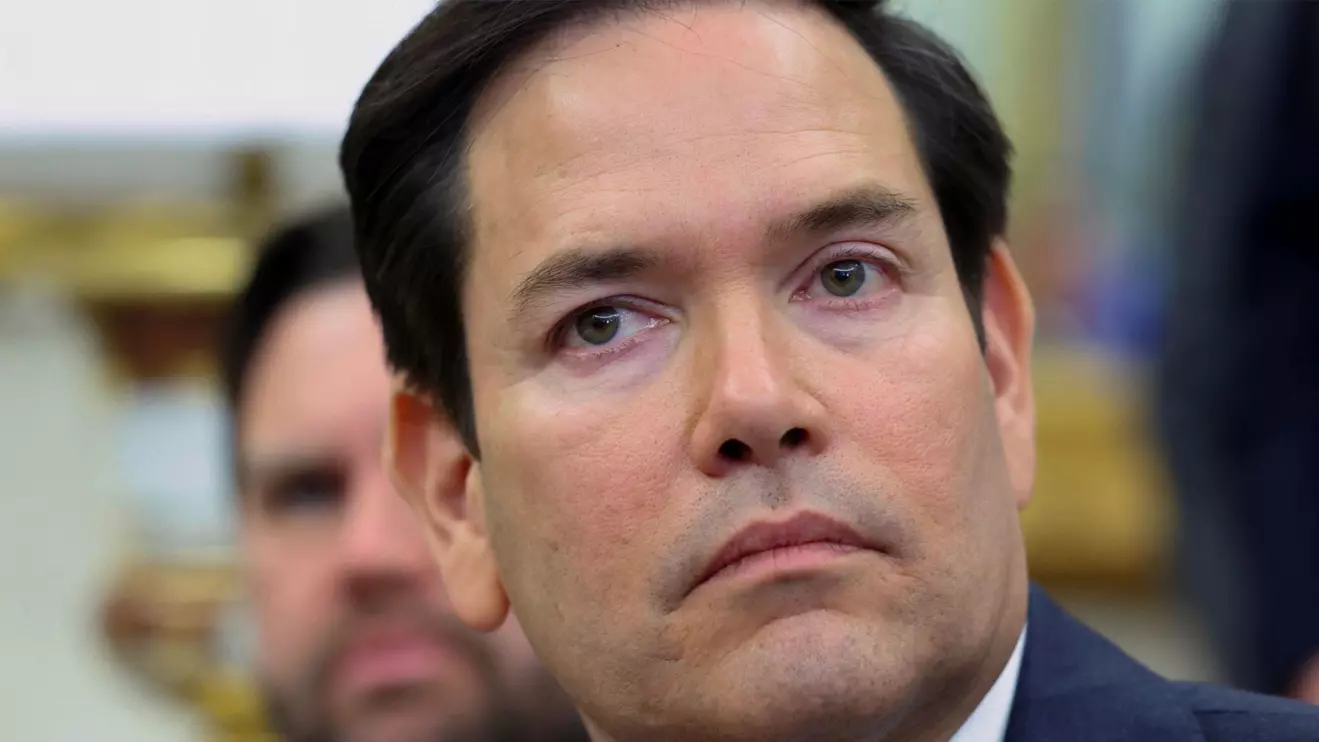
U.S. Secretary of State Marco Rubio and White House envoy Steve Witkoff will travel to Europe this week for talks about ending Russia's war in Ukraine and laying the groundwork for a nuclear deal with Iran.
Rubio and Witkoff are slated to meet with European counterparts in Paris on Wednesday and Thursday to discuss the Ukraine war, the State Department said in a statement.
A French diplomatic source said that the top U.S. diplomat will meet his French counterpart Jean-Noel Barrot on Thursday and they will discuss the war in Ukraine, the situation in the Middle East and the Iran nuclear deal.
Witkoff will then attend a meeting in Rome in the presence of Iranian counterparts, according to a U.S. source with knowledge of the matter.
This week's diplomatic blitz comes as the Trump administration has grown increasingly frustrated by the lack of progress toward a Ukraine peace deal. The President and his advisors have bemoaned Russia's obstinacy, while Trump himself has continued to blame Ukrainian President Volodymyr Zelenskiy for Russia's expanded invasion of Ukraine, which started in 2022.
The latest round of meetings also comes amid a nascent push by the administration to explore whether Washington and Tehran can ink a lasting deal regarding the latter's nuclear program.
Iran and the U.S. held indirect talks in Oman last weekend, which both sides described as positive, though they acknowledged that any potential deal remains distant.
Trump said on Monday that he was willing to bomb Iran's nuclear facilities if a deal was not reached. On Tuesday, he held a meeting with top national security advisers at the White House focused on Iran's nuclear program, according to sources familiar with the encounter.
The U.S. leader has restored a "maximum pressure" campaign on Tehran since February, after he ditched a 2015 nuclear pact between Iran and six world powers during his first term and reimposed crippling sanctions on the Islamic Republic.
Iran's nuclear program has leaped forward since then. The countries held indirect talks during former President Joe Biden's term but made little, if any progress.
By Gram Slattery, Steve Holland and Humeyra Pamuk