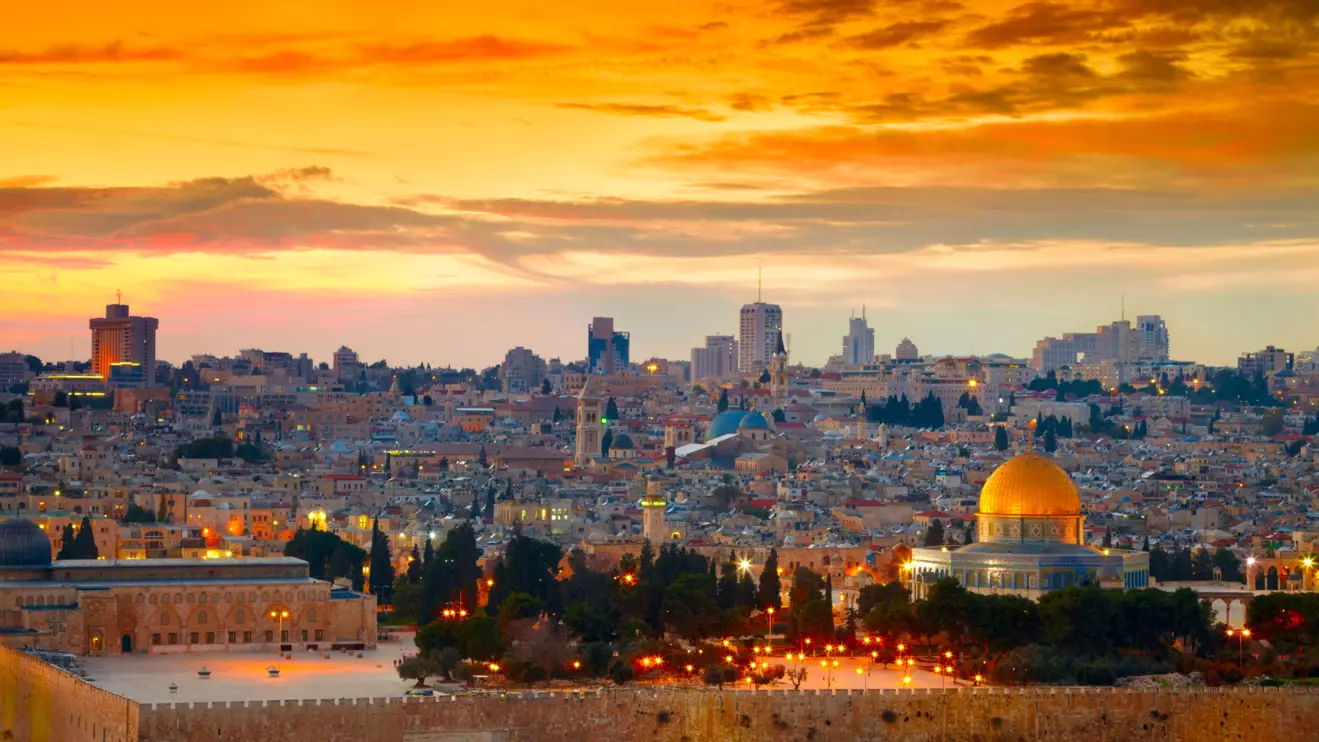
The United States signed an agreement Wednesday to build its permanent embassy in Jerusalem, cementing in stone and steel a political decision that Donald Trump first made during his initial term in office.
US Ambassador Mike Huckabee presided over the signing ceremony at Israel's Foreign Ministry, delivering remarks that blended diplomacy with theology.
"The United States doesn't just recognise Jerusalem as the eternal, ancestral capital of the Jewish people, we are going to act on it," he declared. "We will plant our American flag on the soil of Jerusalem to establish the brand new permanent complex of our embassy, which will serve as the flagship for our diplomatic activities here in Israel."
Going further, Huckabee placed the decision in a distinctly biblical context: "I would say that God made this decision 3,800 years ago, and we finally got around to recognising what was established long before the United States ever existed."
Israel welcomed the announcement as evidence of what its government described as the "unbreakable alliance" between the two countries.
From Recognition to Permanence
The agreement completes a journey that began in December 2017, when Trump broke with decades of international consensus by recognising Jerusalem as Israel's capital and ordering the relocation of the US mission from Tel Aviv. T
hat move was initially housed across multiple temporary sites in the city. The new permanent embassy will be built on the Allenby complex in southern Jerusalem, consolidating American diplomatic operations in the city under a single, purpose-built facility.
For Israel, the construction of a permanent US embassy in Jerusalem is not merely a diplomatic formality. It is a statement - made in concrete and glass - that America's recognition of the city as Israel's capital is not a policy that changes with administrations, but a permanent feature of the bilateral relationship.